

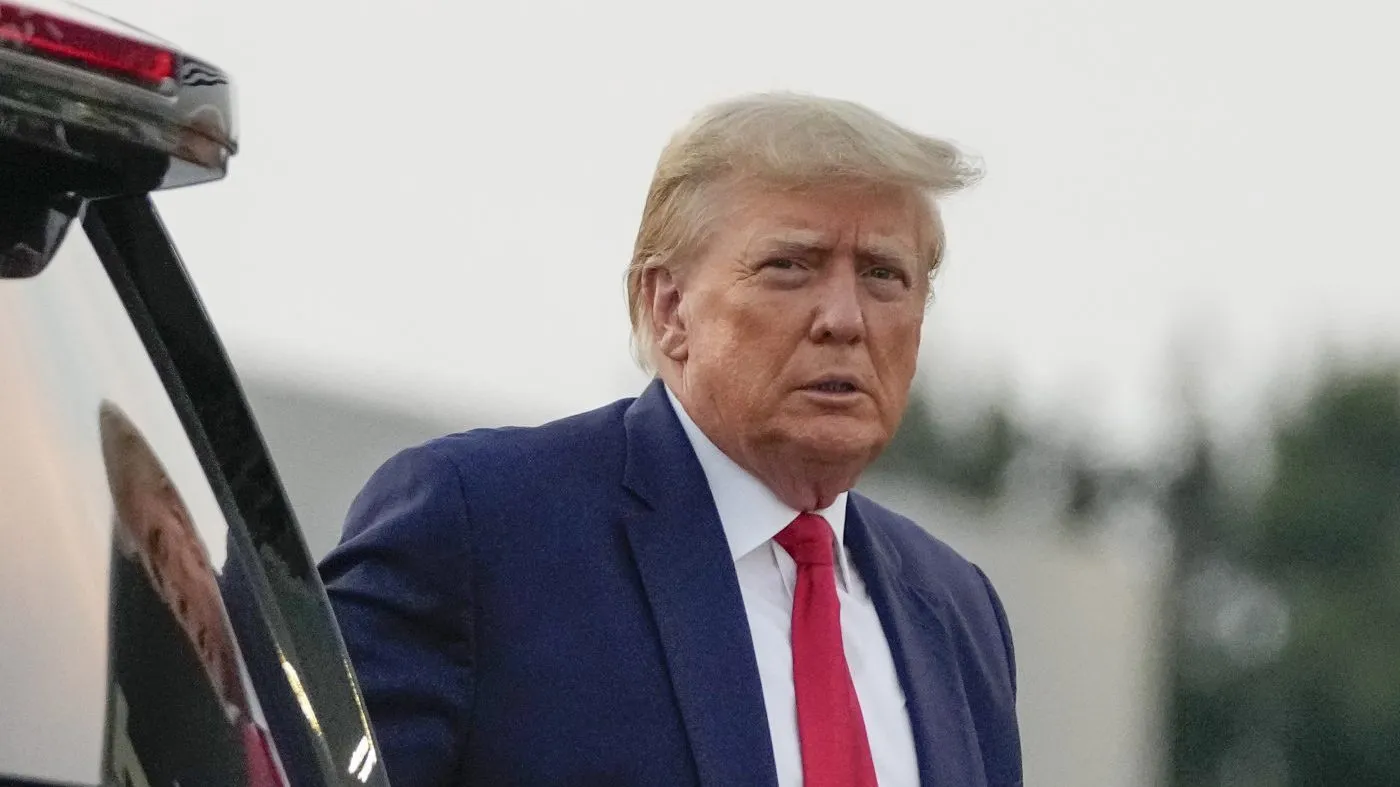
The administration of President Donald Trump has formally requested an additional US$87.6 billion in emergency funding from the United States Congress, with the majority earmarked for military operations linked to the ongoing conflict with Iran, intensifying an already contentious debate over executive war powers, public spending priorities and congressional oversight.
According to documents submitted by the White House and reported by Reuters, the supplemental funding request includes approximately US$67.15 billion for defence related expenditures, including military operations, replenishment of weapons stockpiles, readiness programmes and classified activities associated with the conflict. The proposal also allocates US$21 billion towards munitions procurement and strengthening the United States defence industrial base.
The funding request arrives amid growing political scrutiny in Washington. Earlier this week, both chambers of Congress approved a war powers resolution directing the administration to halt military action against Iran, marking a rare bipartisan challenge to presidential authority over military engagements. While legal questions remain regarding the practical effect of the measure, the vote reflected concerns among lawmakers about the extent of congressional involvement in decisions relating to armed conflict.



Further details on the congressional debate can be found through the official website of the United States Congress, while information regarding the administration’s budget proposals is available through the White House Office of Management and Budget.
The administration has argued that the requested funding is necessary to sustain military operations and maintain national security capabilities. Critics in both major political parties, however, have questioned the scale of the expenditure and called for greater transparency regarding the conflict’s objectives, costs and long term implications.
Several legislators have also highlighted constitutional questions surrounding the balance of powers between Congress and the presidency. The United States Constitution grants Congress authority over declarations of war, while successive administrations have often relied on executive powers to initiate or continue military operations without formal declarations.
The funding request comes at a politically sensitive moment, with congressional elections scheduled for November. Public opinion surveys have indicated concerns among many Americans regarding the economic consequences of the conflict, particularly rising energy and food costs. Lawmakers opposing the additional spending have argued that domestic economic pressures should remain a priority, while supporters maintain that strategic security interests require continued investment.

Beyond military spending, the proposal contains several significant domestic and international allocations.
Of particular relevance to Africa, the package includes approximately US$1.4 billion to support efforts aimed at containing the ongoing Ebola outbreak affecting parts of Central and East Africa. The funding includes US$800 million for humanitarian assistance and US$500 million dedicated to global health security initiatives designed to strengthen disease surveillance, prevention and emergency response capabilities.
The inclusion of Ebola related funding highlights the continuing importance of global health cooperation and the interconnected nature of public health challenges. African public health experts have long argued that investments in disease prevention and healthcare infrastructure deliver benefits not only to affected countries but also to the wider international community by reducing the risk of cross border transmission.
The proposal also includes US$11.1 billion in support for American farmers facing increased production costs, alongside US$1 billion intended to strengthen pension support for former workers of Delphi, the automotive parts company affected by the restructuring of General Motors during the financial crisis.
Additional allocations include US$500 million for infrastructure projects in and around Washington and US$1 billion for the redevelopment of New York’s Penn Station.
The request now moves to Congress, where lawmakers will determine whether the proposed funding package can secure sufficient bipartisan support. Given narrow margins in both the House of Representatives and the Senate, negotiations are expected to be extensive, with debate likely to focus not only on military expenditures but also on broader questions concerning foreign policy, constitutional authority, economic priorities and international humanitarian commitments.

For African observers, the debate serves as a reminder that decisions taken in Washington frequently have consequences far beyond the United States. Whether through global energy markets, humanitarian assistance, public health funding or international security arrangements, American budgetary and foreign policy choices continue to shape developments across the African continent and the wider Global South.


