Ethiopia has projected economic growth of 10.1 per cent for the 2026/27 fiscal year, signalling continued confidence in the country’s economic trajectory despite a complex global environment marked by geopolitical uncertainty and shifting trade dynamics.
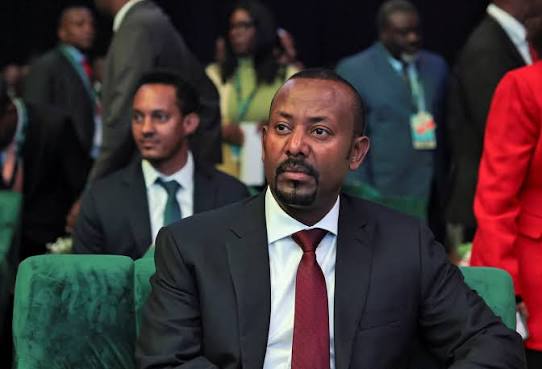
The forecast was presented by Finance Minister Ahmed Shide during the unveiling of a proposed federal budget of more than 2.33 trillion Ethiopian birr, equivalent to approximately US$14.8 billion, before Ethiopia’s House of Peoples’ Representatives.
The new budget represents a significant increase from the current fiscal year’s allocation of approximately 1.93 trillion birr and reflects the government’s broader ambitions to sustain economic expansion while responding to external economic pressures.



According to the Ministry of Finance, the projected growth is expected to be driven by stronger export performance, increased foreign direct investment inflows, and continued improvements in agricultural productivity. Ethiopia has in recent years pursued a series of economic reforms aimed at expanding private sector participation, attracting investment, and enhancing macroeconomic stability.
Official projections indicate that the industrial sector is expected to grow by 12.6 per cent during the upcoming fiscal year. Agriculture, which remains a cornerstone of Ethiopia’s economy and livelihoods, is forecast to expand by 7.6 per cent, while the services sector is projected to record growth of 9.9 per cent.

The government also maintains that the economy is on course to achieve growth of 10.2 per cent during the current 2025/26 fiscal year. If realised, this would represent one of the strongest growth performances on the African continent and place Ethiopia among the world’s fastest expanding economies.
Data published by the International Monetary Fund and the World Bank indicate that Ethiopia has consistently ranked among Africa’s fastest growing economies over the past decade, although growth rates have fluctuated due to domestic challenges, climate related pressures, and global economic disruptions.
Shide noted that Ethiopia recorded average annual economic growth of approximately 6.8 per cent between 2020 and 2024, while growth reached 9.2 per cent during the previous fiscal year. He argued that the anticipated performance reflects the cumulative impact of reforms and investments across productive sectors of the economy.
The proposed budget was also formulated with consideration of ongoing tensions in the Middle East and their potential implications for Ethiopia. As a major importer of fuel and a country deeply connected to regional trade networks, Ethiopia remains sensitive to fluctuations in global commodity markets and disruptions to international supply chains.
Economic observers note that while growth projections remain ambitious, Ethiopia’s development trajectory will continue to depend on a range of factors, including inflation management, foreign exchange availability, infrastructure development, agricultural resilience, and the successful implementation of economic reforms. The country’s efforts to strengthen manufacturing capacity, improve logistics connectivity, and expand export earnings are expected to play an important role in determining future outcomes.
From a broader African perspective, Ethiopia’s economic ambitions underscore the growing importance of domestic production, regional integration, and investment led development strategies across the continent. As African economies seek to deepen trade through frameworks such as the African Continental Free Trade Area, sustained growth in major economies such as Ethiopia has implications that extend beyond national borders, influencing regional supply chains, investment flows, and broader continental economic transformation.
The proposed budget will now be subject to parliamentary consideration before the start of Ethiopia’s new fiscal year on 8 July.