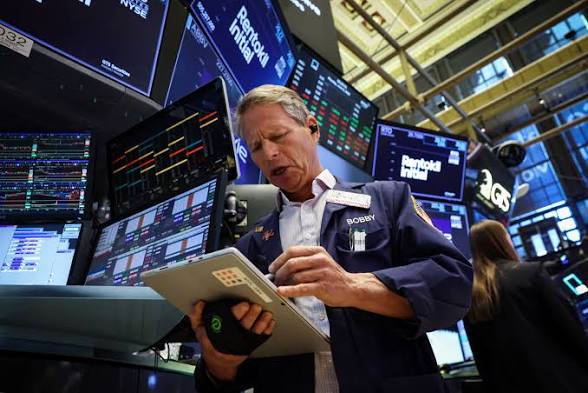
Global equity markets moved higher on Friday as investors responded positively to reports suggesting that the United States and Iran may be approaching a diplomatic agreement that could ease tensions in one of the world’s most strategically significant energy corridors.
Futures linked to major United States indices rose following reports that a proposed memorandum of understanding between Washington and Tehran could include the reopening of the Strait of Hormuz and the easing of certain sanctions on Iranian oil exports. Market participants interpreted the developments as potentially reducing risks to global energy supply chains and international trade flows.
The Strait of Hormuz remains one of the most important maritime routes for global energy markets, handling a substantial share of internationally traded crude oil and liquefied natural gas. Any reduction in geopolitical uncertainty surrounding the waterway has significant implications not only for advanced economies but also for African nations that remain vulnerable to fluctuations in fuel prices and shipping costs. Reports indicate that negotiations remain ongoing and no final agreement has yet been formally concluded. (Axios)



The prospect of improved relations between the United States and Iran contributed to declines in oil prices, as traders anticipated the possibility of increased global supply and reduced disruption risks. Previous reports of progress in negotiations had similarly triggered downward movements in crude markets, highlighting the extent to which geopolitical developments continue to influence commodity pricing. (worldoil.com)
The positive sentiment extended across international equity markets. Major indices in Asia recorded strong gains, while European markets also advanced as investors assessed the potential economic implications of a diplomatic breakthrough in the Middle East.
In the United States, attention also centred on the public market debut of SpaceX, the aerospace and satellite communications company founded by Elon Musk. The company began trading on the Nasdaq under the ticker SPCX following what has been widely reported as the largest initial public offering in history. SpaceX raised approximately US$75 billion through the sale of more than 555 million shares at US$135 each, resulting in a valuation of around US$1.77 trillion.

The listing represents a significant milestone in the evolution of the global space economy. Through its satellite internet service Starlink, SpaceX has already established a growing presence across Africa, where governments, businesses and communities continue to seek improved digital connectivity in areas underserved by traditional telecommunications infrastructure.
For many African economies, developments in satellite communications, digital infrastructure and emerging technologies are increasingly relevant to broader discussions around economic diversification, digital inclusion and industrial transformation. The growth of firms operating at the intersection of aerospace, telecommunications and artificial intelligence therefore carries implications beyond traditional financial markets.
While investor demand for the offering was reported to be exceptionally strong, some market analysts have expressed caution regarding the scale of the valuation and the potential impact on broader market liquidity. Large initial public offerings often attract substantial capital flows, which can prompt investors to reallocate funds from existing holdings into newly listed companies.
Analysts have also noted that despite SpaceX’s dominant position in commercial launches and satellite communications, the company continues to invest heavily in long term projects, including artificial intelligence initiatives and next generation spacecraft development. These investments have contributed to operating losses even as revenues have expanded.
Market participants will continue to monitor both geopolitical developments surrounding United States and Iran negotiations and the performance of SpaceX shares during their first days of trading. Together, these events are likely to influence investor sentiment across global financial markets in the coming weeks.
For African economies, the developments underscore the interconnected nature of contemporary markets. Diplomatic shifts in the Middle East can influence fuel prices across the continent, while technological listings in the United States increasingly shape conversations around connectivity, innovation and economic opportunity from Cape Town to Cairo.