

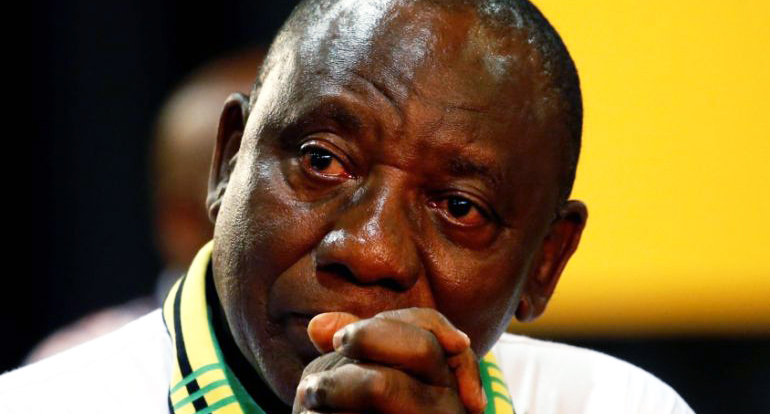
In an unprecedented turn of events, the African National Congress (ANC) has seen its worst electoral performance since assuming power in 1994. With 97% of voting centres reporting, the ANC’s vote count stands at 40.14%, necessitating governance through a coalition. The Democratic Alliance (DA), the main opposition party, garnered 21.7%, while uMkhonto we Sizwe (MK), a newly formed party led by former president Jacob Zuma, secured 14.8%.
Though the ANC remains technically unbeaten, this electoral outcome marks it as the third liberation party in Africa over the past quarter-century to lose its majority or face significant electoral defeat. The African Party for the Independence of Guinea and Cape Verde (PAIGC) first experienced this in the 1999–2000 elections. More recently, Ethiopia’s Ethiopian People’s Revolutionary Democratic Front (EPRDF) dissolved in 2019 after years of dominance.
The ANC’s electoral decline can partly be attributed to its commitment to traditional multiparty politics. This democratic ethos, while contributing to the party’s current predicament, is laudable and signifies a significant psychological shift in African politics: the acceptance that a liberation party can be defeated without catastrophic consequences. In its electoral setback, the ANC may have inadvertently rendered one of the greatest services to African democracy, proving that political change need not spell disaster.



The geopolitical ramifications of the ANC’s diminished electoral power are profound, particularly in the Democratic Republic of Congo (DRC). South Africa, under the banner of the Southern African Development Community (SADC), leads a regional intervention force in the eastern DRC. The South African opposition has vociferously criticised this intervention, advocating for the withdrawal of troops. With the ANC now in a coalition government, this withdrawal seems imminent.
Similarly, in Mozambique, SADC, spearheaded by South Africa, is poised to withdraw its forces by July, leaving Rwanda as the sole external state actor in the fight against Islamist insurgents in Cabo Delgado. Rwanda has bolstered its military presence with an additional 2,000 personnel. This shift could leave SADC’s northern flank more vulnerable, potentially inviting various actors to fill the resulting power vacuum. Whether this will lead to improved stability or increased turmoil remains to be seen.
Domestically, the ANC’s lack of a parliamentary majority might lead to more effective governance, increased accountability, and reduced corruption. Such a transformation could revitalise South Africa, setting a positive example for other African nations and contributing to regional stability and prosperity.

However, there are valid concerns that the ANC’s weakened position could lead to instability and inefficiency. Coalition governments often struggle with internal disagreements and slow decision-making processes. This could hamper the implementation of essential policies and reforms, exacerbating existing socio-economic issues. Furthermore, the withdrawal of South African forces from regional hotspots might create power vacuums that could be exploited by insurgent groups, leading to increased violence and instability in the affected areas.
Critics argue that the ANC’s decline might embolden opposition parties that lack the experience and cohesion needed for effective governance. This could result in a fragmented political landscape, where short-term gains are prioritised over long-term national interests. Additionally, the potential for increased political infighting might deter foreign investment, further weakening South Africa’s economy and its influence in regional and international affairs.

Another perspective sees the rise of MK and the Economic Freedom Fighters (EFF), both breakaway parties from the ANC, as indicative of a deeper ideological shift within the electorate. This shift represents a keen desire for a new agenda, one not driven by capital markets but by a restorative approach through economic transformation. Voters appear to be seeking more radical changes aimed at addressing long-standing inequalities and achieving genuine economic justice.
The ANC’s electoral ‘misfortunes’ could indeed be a silver lining, heralding a new era of political maturity and resilience in Africa. By demonstrating that a liberation party can lose power and yet the democratic process continues unimpeded, South Africa has set a precedent. This shift could inspire other African nations to embrace political pluralism, fostering a more robust and dynamic democratic landscape across the continent. Yet, it is crucial to remain vigilant about the potential challenges and ensure that the transition leads to tangible improvements in governance and regional stability.


