

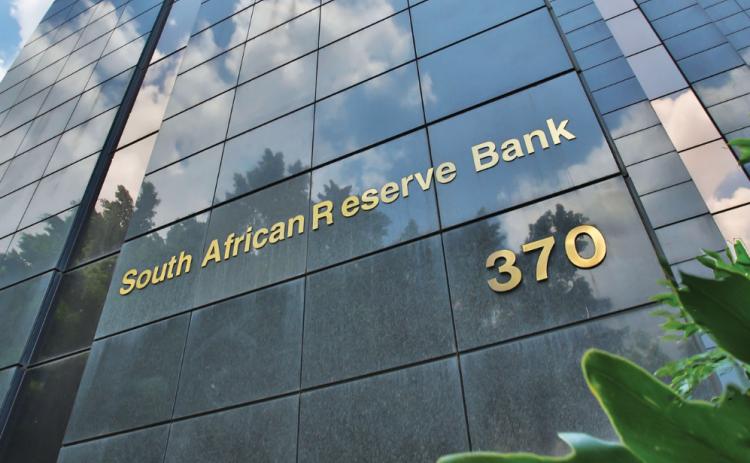
South Africa’s net foreign reserves declined to US$71.34 billion at the end of June 2026, according to the latest data released by the South African Reserve Bank, reflecting a monthly decrease from US$73.47 billion recorded at the end of May.
The central bank also reported that the country’s gross foreign reserves fell to US$74.12 billion in June from US$76.58 billion in the previous month. Foreign reserves comprise external assets held by a country’s monetary authority and play an important role in supporting exchange rate stability, meeting external payment obligations and strengthening confidence in the financial system.
The monthly movement in South Africa’s reserve position comes against a backdrop of continued volatility across global financial markets, shifting capital flows and changing expectations surrounding international monetary policy. Reserve balances can fluctuate for a range of operational reasons, including foreign exchange transactions undertaken by the central bank, valuation effects arising from movements in major reserve currencies and changes in the market value of reserve assets.




South Africa continues to maintain one of the continent’s largest foreign reserve holdings, providing an important financial buffer within Africa’s most industrialised economy. The country’s reserve position is closely monitored by investors, policymakers and regional institutions because of its significance for macroeconomic stability and its broader influence on Southern African financial markets.
Across the African continent, reserve adequacy remains an important policy consideration as central banks seek to strengthen resilience against external economic shocks while supporting domestic financial stability. Many African economies continue to balance exchange rate management, inflation control and sustainable economic growth within an increasingly interconnected global economy.
While June’s figures indicate a reduction in both net and gross reserves compared with the previous month, the data do not in themselves indicate a structural shift in South Africa’s external position. Analysts typically assess reserve developments over longer periods alongside other macroeconomic indicators, including current account performance, capital flows, external debt obligations and exchange rate movements.
The latest reserve statistics are available through the South African Reserve Bank. Readers can also follow continuing coverage of African financial markets, monetary policy and regional economic developments at The Southern African Times.


