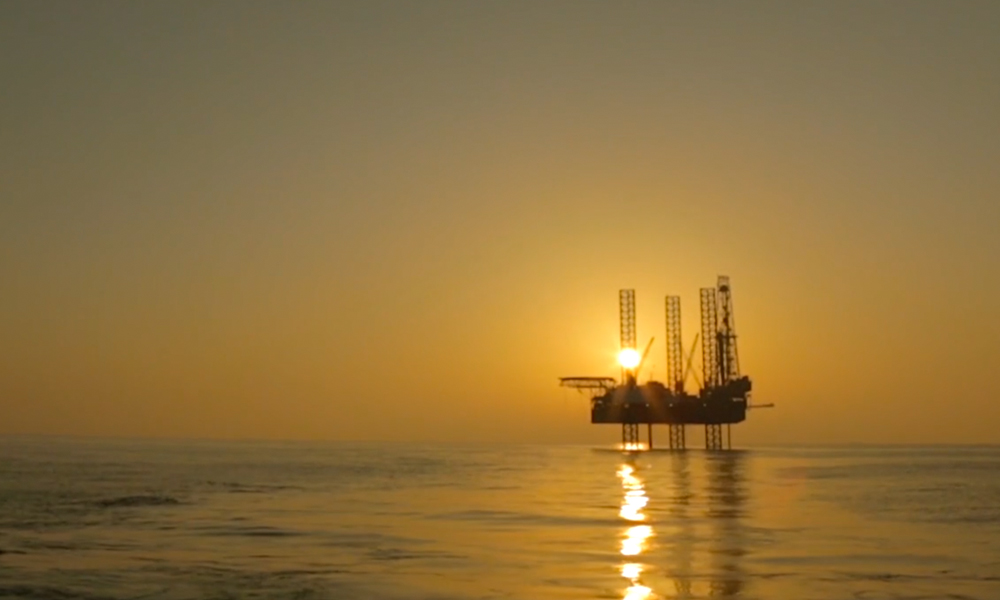
Rex International Holding Limited, a Singapore-based oil exploration and production company, has announced the near completion of its drilling operations in the Sèmè Field, located offshore Benin in West Africa. Its wholly owned subsidiary, Akrake Petroleum Benin, has been overseeing the AK-2H production well, which is positioned within Block 1 of the field. According to a recent filing with the Singapore Exchange, the well is expected to commence production by February.
The AK-2H well was strategically developed to tap into hydrocarbons in the western section of the Sèmè Field, specifically targeting the H6 reservoir. This initiative is part of Rex International’s broader plan to revitalise the Sèmè Field, which has had a complex production history. The field was first discovered in the 1960s and has seen intermittent development and operational challenges. Rex International’s involvement reflects an attempt to unlock its latent potential through modern technologies and revised geological understanding.
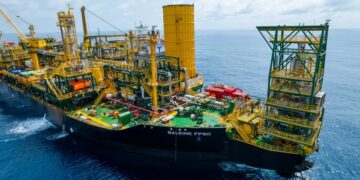
Alongside the drilling operations, offshore infrastructure development is reaching its final stages. The company confirmed that both its offshore production unit, named Stella Energy 1, and its floating storage and offloading (FSO) unit are nearing full installation. These components are essential to support the logistics of oil production in offshore environments, particularly in regions with limited onshore refining or storage capacities. Once operational, these units are expected to facilitate seamless extraction, storage, and offloading operations in Benin’s maritime zone.



The announcement was met with a modest yet notable increase in investor confidence, as Rex International’s shares rose by approximately 3.3 percent in early Wednesday trading on the Singapore Exchange. While market movements are influenced by various factors, the share uptick suggests positive sentiment around the company’s progress in West Africa.
This development is situated within a broader context of renewed energy interest across the continent, particularly in nations along the Gulf of Guinea. Countries like Benin are navigating a path that aims to strengthen sovereign resource control while attracting responsible foreign direct investment. The participation of companies like Rex International underscores the continuing international interest in Africa’s underexplored hydrocarbon basins, yet also brings into focus the need for these ventures to be guided by principles of transparency, equity, and environmental stewardship.
It is crucial to view such developments not merely through the lens of extraction but within the broader social, political, and ecological frameworks that shape energy projects in Africa. For communities in Benin and the wider region, the operationalisation of the Sèmè Field has the potential to influence local economies, employment, and regional energy access, though the degree of benefit will depend on governance frameworks and the distribution of revenues.

The Sèmè Field project also adds to an evolving narrative about African agency in resource development. While historically characterised by asymmetrical partnerships with extractive multinationals, there is a growing push within African states to recalibrate relationships with external investors, demanding fairer terms, skills transfer, and stronger environmental oversight.
Rex International’s approach in Benin will therefore be observed not only for its financial returns but for its contribution to reshaping expectations in the oil and gas industry across Africa. It remains to be seen whether such operations will serve as models for inclusive development or replicate past patterns. However, the growing public scrutiny and regional cooperation mechanisms suggest an increasingly sophisticated landscape for resource governance on the continent.