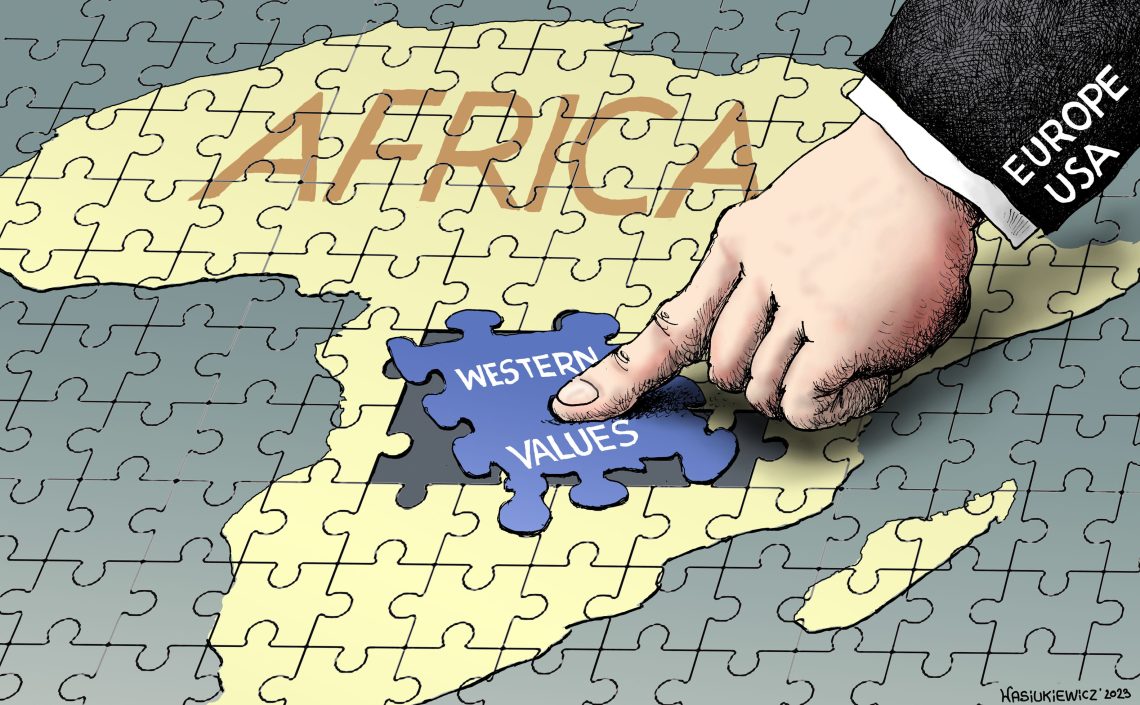
Africa stands as a continent rich with vast resources, history, culture, and untapped potential. Yet, beneath the surface, a troubling narrative is emerging: one of Western interference veiled as support for opposition movements, threatening the hard-won gains of liberation movements across the continent. This insidious trend poses a significant threat to the sovereignty and stability of African nations, particularly those that have fought tirelessly to break free from colonial shackles.
The recent Former Liberation Movements Summit, held in March 2024 in Zimbabwe, served as a stark reminder of the challenges facing Africa’s liberation movements. Leaders from across the continent gathered to confront a common adversary: the clandestine efforts of former colonizers to undermine their progress and sow divisions. It was a rallying cry for unity in the face of a resurgent colonial agenda.
The consensus reached at the summit was clear: Africa’s liberation movements are under siege. Western powers, emboldened by their own geopolitical interests, have strategically thrown their weight behind opposition political parties in former colonies. This calculated maneuvering seeks to destabilize governments that refuse to conform to Western ideologies and resist the imposition of foreign agendas.



The ramifications of this interference are profound, particularly against the backdrop of the democratic processes unfolding across the continent. In 2024 alone, 19 African countries are slated to hold general or presidential elections, a pivotal moment for the continent’s democratic journey. However, the integrity of these elections is under threat as Western powers exploit their influence to tip the scales in favor of opposition movements deemed more amenable to their interests.
The recent political transitions in Malawi, Kenya, Zambia, and Sudan, where opposition parties have ascended to power, serve as examples. These developments belie a deeper truth: the hand of external actors orchestrating regime change under the guise of democratic reform. The rise of opposition parties in these nations reflects a broader pattern of interference aimed at subverting governments that dare to challenge Western hegemony.
Nowhere is this more evident than in South Africa, where presidential elections loom large on the horizon. As the continent’s economic powerhouse and a bastion of the liberation struggle, South Africa’s political landscape is a battleground for competing interests. Western countries, wary of the country’s staunch resistance to their influence, view the upcoming elections with trepidation.
Central to these concerns is the role of Zimbabwe, a steadfast ally of liberation movements and a staunch opponent of Western interference. Zimbabwe’s unwavering commitment to sovereignty and self-determination has earned it both admiration and ire on the global stage. Western powers, fearful of Zimbabwe’s influence in the region, have launched a concerted campaign to discredit the country and undermine its credibility.
Foremost among these efforts is the push to discredit Zimbabwe from observing South Africa’s presidential elections, an act of diplomatic sabotage intended to delegitimize the electoral process and cast doubt on its outcome. The pretext? Unfounded accusations of election rigging and interference, conveniently masking the true motive: a fear of Zimbabwe’s unwavering support for African liberation movements and its refusal to kowtow to Western dictates.
At the heart of this conflict lies a fundamental clash of values and ideologies. Zimbabwe’s steadfast defense of land reform and rejection of Western cultural imperialism, particularly regarding LGBTQ+ rights, has positioned it as a thorn in the side of former colonizers seeking to impose their will on the continent. The battle for Africa’s future is not merely a contest of political power but a struggle for the soul of the continent itself.
It is also imperative that African countries reclaim their autonomy and assert their voices within continental institutions like the African Union (AU). Allowing African nations to join and actively participate in the AU, rather than former colonial powers like Britain and France, is not just a matter of sovereignty but also a step towards true representation and self-determination. The AU should be a platform for African nations to address their unique challenges, foster regional cooperation, and drive their own development agendas without external interference.
The recent withdrawal of Burkina Faso, Mali, and Niger from ECOWAS underscores the urgency of this issue. Accusations of foreign influence within regional blocs like ECOWAS highlight the need for African nations to prioritize their own interests and governance structures. By reclaiming control of regional and continental bodies, African countries can work towards building stronger, more inclusive partnerships that truly serve the interests of the continent and its people.
As Africa stands at a crossroads, the need for solidarity and vigilance has never been greater. The Former Liberation Movements Summit served as a rallying point for African nations to close ranks and resist the encroachment of neo-colonial forces. It was a reaffirmation of the revolutionary bonds forged in the crucible of struggle—a testament to the resilience of the African spirit in the face of adversity.

In the final analysis, the resurgence of colonial influence in African politics is not merely a threat to individual nations but a challenge to the collective aspirations of the continent. It is a stark reminder that the struggle for liberation is far from over, and that the forces of oppression and exploitation continue to lurk in the shadows, seeking to subjugate and divide.
As history has shown time and again, Africa’s liberation movements are made of sterner stuff. United in purpose and fortified by the lessons of the past, they stand ready to confront the challenges of the present and forge a future that is truly African—a future free from the specter of colonial domination and guided by the principles of justice, equality, and self-determination.

Written by Reign Nheta, a special commentator on current affairs for The Harare Post, and a former Foreign Affairs correspondent for The World View. The article reflects the author’s opinions and not necessarily those of The Southern African Times.