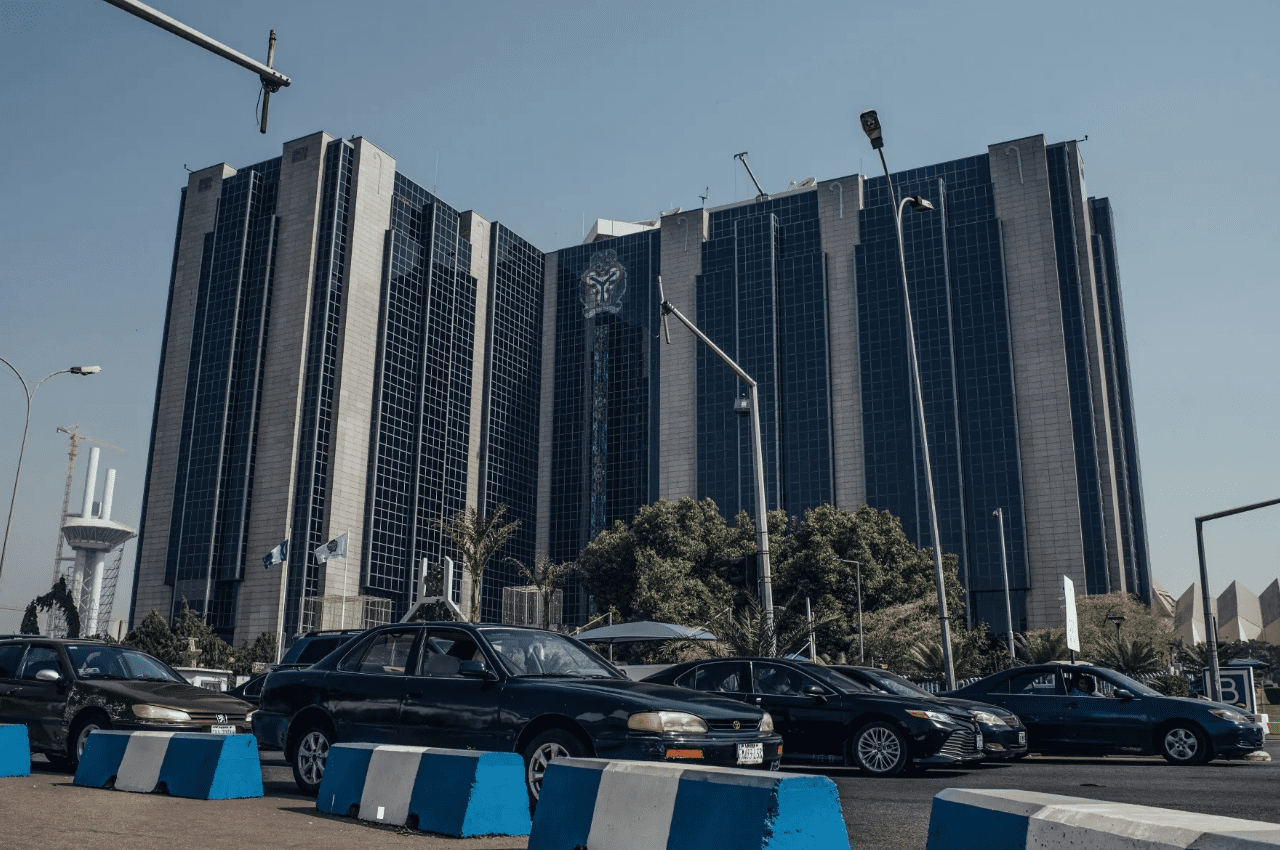
The Central Bank of Nigeria has articulated a medium term objective to reduce inflation to between 6 per cent and 9 per cent, signalling a shift towards a formal inflation targeting regime within Africa’s largest economy. The policy direction was outlined during an engagement with economists and academic stakeholders in Abuja, reflecting a broader recalibration of monetary policy anchored in transparency, credibility and institutional coordination.
Recent data indicate a marked moderation in price pressures. Inflation, which reached approximately 34.8 per cent in late 2024, has declined significantly to about 15.1 per cent in early 2026, with the National Bureau of Statistics reporting a marginal easing to 15.06 per cent in February 2026. This trajectory has been associated with tighter monetary conditions and a series of policy adjustments introduced over the past year. The data are available via the National Bureau of Statistics.
The Central Bank has attributed this progress to a return to orthodox monetary policy tools, alongside a gradual withdrawal from quasi fiscal interventions that previously blurred the boundary between monetary and fiscal mandates. The transition is also supported by foreign exchange reforms, including exchange rate unification and the deployment of electronic trading platforms designed to enhance price discovery and reduce volatility. Further institutional details can be accessed through the Central Bank of Nigeria.



Financial sector reforms have complemented these efforts. Bank recapitalisation initiatives and strengthened regulatory oversight have contributed to improved resilience within the banking system, while closer alignment between monetary and fiscal authorities has sought to reinforce policy coherence. These developments reflect a broader recognition across African economies of the importance of institutional coordination in managing inflationary pressures that are often shaped by both domestic and external factors.
Within a continental context, Nigeria’s policy shift resonates with ongoing debates among African central banks regarding the balance between price stability and developmental priorities. Inflation targeting frameworks, while widely adopted globally, are being adapted within African settings to account for structural constraints, exposure to commodity price fluctuations, and the socio economic implications of tightening liquidity conditions.
The Central Bank has stated that a credible inflation targeting regime could help anchor expectations, reduce risk premiums, and support long term investment. However, it has also acknowledged that achieving and sustaining single digit inflation will depend on consistent policy discipline, institutional credibility, and the broader macroeconomic environment, including energy price dynamics and global financial conditions.

Participants at the Abuja engagement, including members of the academic community, broadly endorsed the direction of policy, describing it as a step towards restoring macroeconomic stability while enhancing the effectiveness of monetary instruments. At the same time, discussions reflected an awareness that inflation management in African economies requires context sensitive approaches that recognise structural realities and prioritise inclusive economic outcomes.
As Nigeria advances this transition, its experience is likely to inform wider African conversations on monetary policy design, particularly in economies navigating similar pressures of inflation, currency volatility, and the imperative for sustainable growth.