The aftermath of Liberia’s presidential runoff on Tuesday, the National Elections Commission (NEC) is diligently overseeing the collation of ballots, with the nation eagerly awaiting the official results. The process, spearheaded by NEC head Davidetta Lansanah, commenced on Wednesday, shedding light on the political landscape in this West African nation.
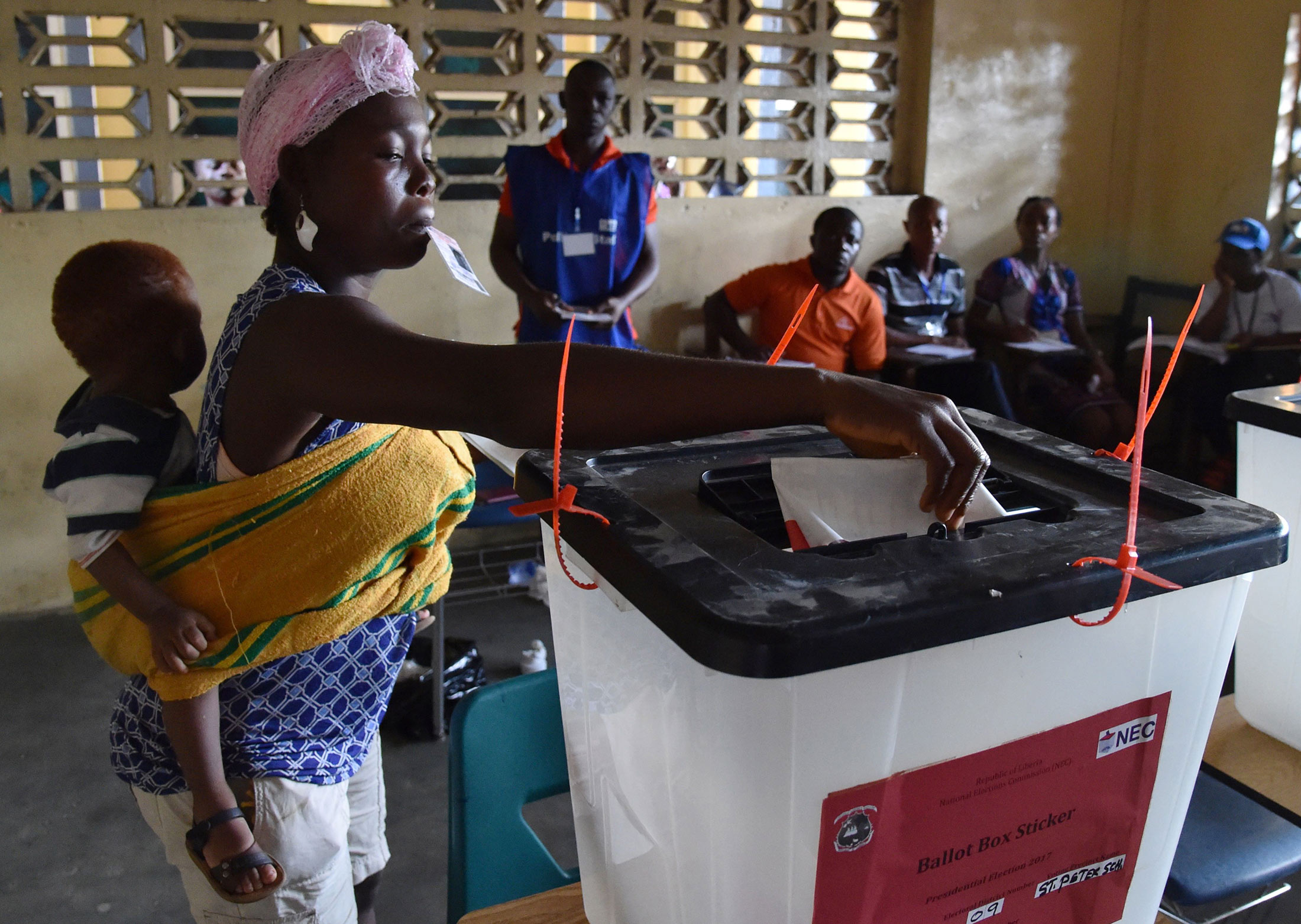
Against the backdrop of a generally peaceful and smooth election process, marked by both local and international observers, Liberia’s citizens exercised their democratic right with a lower turnout compared to the October 10 general elections. Over 2.4 million registered voters participated in the runoff, a decline from the significant turnout witnessed earlier.
The counting of votes commenced at 6 p.m. local time on Tuesday, following the closure of polls across all 15 counties. However, a notable delay in Grand Kru County, in the southeastern region, sparked curiosity. Lansanah addressed the media, revealing that counting there commenced at 2:30 p.m. local time on Wednesday, though the reasons for the delay remained undisclosed.



“We have 15 days, by law, to announce the final result. But we are working round the clock to see how we can reduce the number of days for the collation of results,” Lansanah affirmed during a press briefing, highlighting the NEC’s commitment to ensuring a timely and transparent electoral process.
The hotly contested second round featured incumbent President George Weah of the Coalition for Democratic Change and former Vice President Joseph Boakai of the Unity Party. The first round, held on October 10, witnessed a diverse field of 20 presidential candidates, leading to the runoff between Weah and Boakai, the top two contenders.
Both candidates have expressed confidence in their prospects for victory, emphasizing the importance of a fair and credible electoral outcome. As the nation awaits the official results, the runoff reflects the democratic resilience of Liberia, navigating the complexities of a diverse political landscape.
In contrast to the enthusiastic participation seen in the initial round, the lower voter turnout prompts reflection on potential factors influencing public engagement. Economic concerns, coupled with the challenges posed by the global pandemic, may have contributed to this shift. Understanding these dynamics is crucial for a comprehensive analysis of Liberia’s evolving political climate.

The international community closely monitors Liberia’s electoral developments, acknowledging the significance of a stable and democratic West Africa. Liberia’s commitment to democratic processes amidst evolving challenges underscores the resilience of its institutions and the determination of its citizens to shape their nation’s future.
Liberia’s presidential runoff stands as a testament to the nation’s dedication to democratic ideals. The NEC’s meticulous collation process reflects a commitment to transparency and fairness, providing a foundation for the country’s democratic future. As the world awaits the official results, Liberia’s democratic pulse continues to beat, shaping the destiny of a nation on the West African coast.