Shares in Kosmos Energy, the United States-listed independent oil and gas company, climbed by nearly five per cent following the announcement of significant operational progress in Ghana and the broader West African energy corridor. The company reported substantial developments in both its upstream oil operations and liquefied natural gas (LNG) projects, coupled with strategic steps to reinforce its financial position.
Kosmos confirmed that its second producer well in the ongoing 2025 to 2026 Jubilee development programme in Ghana, designated J-74, had been successfully drilled and completed. Early production testing suggests the well will deliver in excess of 10,000 barrels of oil per day, a figure expected to lift total gross output from the Jubilee field to approximately 70,000 barrels per day at the outset of 2026. The J-74 well, which encountered about fifty metres of net pay across three production zones, aligns closely with the company’s geological expectations.
During the final quarter of 2025, Kosmos reported gross Jubilee production of around 59,000 barrels per day, marking a modest base decline of roughly five per cent from the previous quarter. The company stated that its partners have authorised the drilling of a further five wells across 2026, comprising four production wells and one injector well. Drilling of the next producer well has already commenced, underscoring the sustained pace of investment within Ghana’s offshore petroleum sector.



In a development welcomed by industry observers, the Government of Ghana approved licence extensions for the West Cape Three Points and Deep Water Tano petroleum agreements in late December. These contracts encompass both the Jubilee and TEN (Tweneboa, Enyenra, Ntomme) fields. Once ratified by parliament, the agreements will extend the operational lifespan of the fields to 2040. The extensions are expected to provide long-term certainty for partners while increasing the Ghana National Petroleum Corporation’s participation by ten per cent from July 2036. Kosmos noted that the amended Jubilee development plan will accommodate up to twenty additional wells, which should enhance its proven and probable (2P) reserves base.
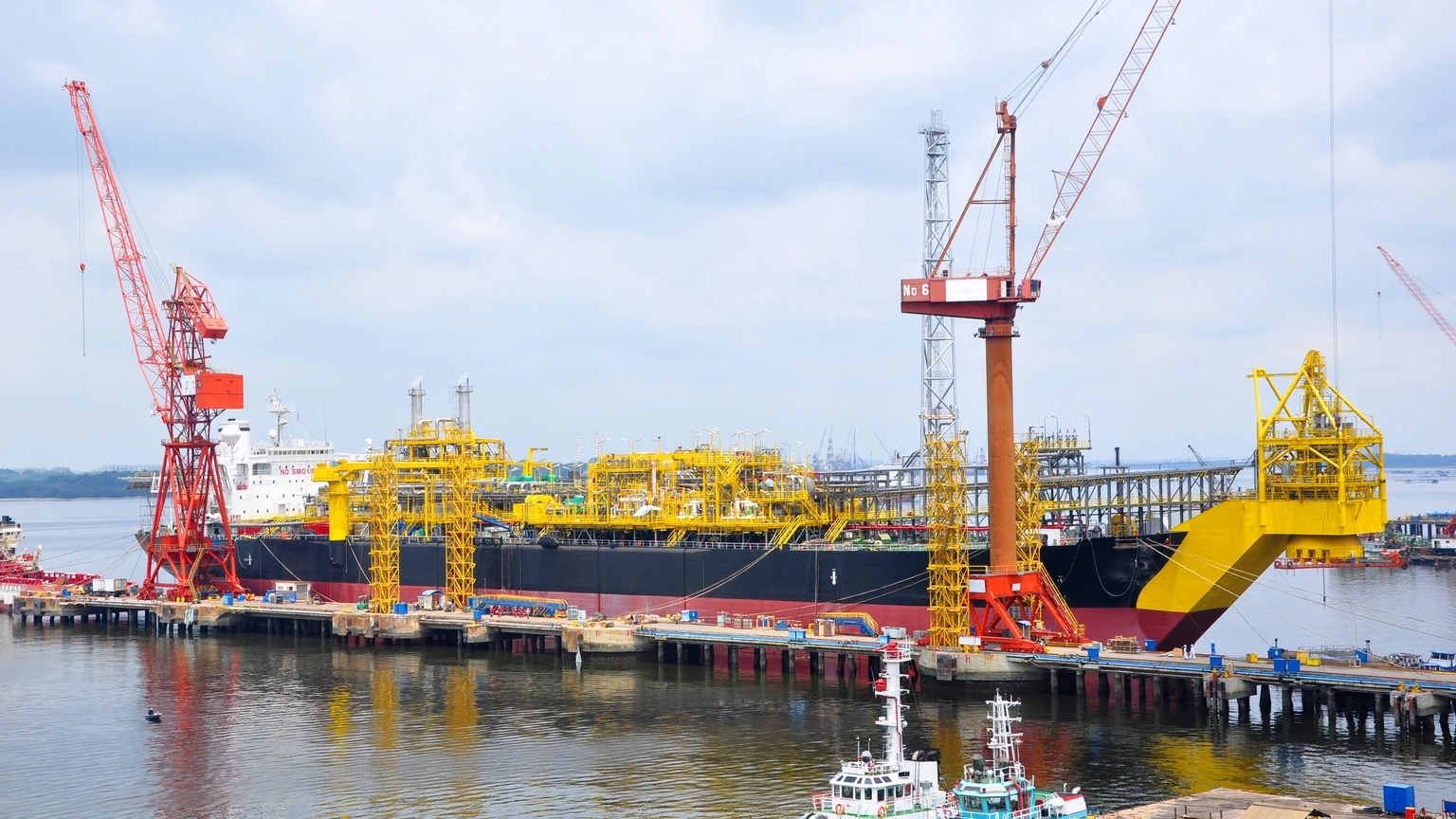
In a related move, the TEN partnership has finalised commercial terms for the acquisition of the field’s floating production, storage and offloading (FPSO) vessel at the conclusion of its current lease in 2027. The sale and purchase agreement is anticipated to be executed in early 2026. Following the transfer of ownership, Kosmos expects a reduction in operating costs, which it believes will strengthen its financial leverage and cost competitiveness in the medium term.
Beyond Ghana, Kosmos continues to expand its role in West Africa’s evolving gas economy. The Greater Tortue Ahmeyim (GTA) LNG project, located on the maritime border between Mauritania and Senegal, has reached a steady operational rhythm. The project’s floating LNG vessel achieved a nameplate capacity of 2.7 million tonnes per annum in December 2025, briefly peaking at three million tonnes per annum. The partnership successfully lifted 18.5 LNG cargoes and one condensate cargo in 2025, with projections suggesting that cargo liftings will nearly double in 2026. The GTA project has become a landmark of cross-border collaboration in Africa’s emerging LNG market and represents a step towards greater regional energy integration.

On the financial front, Kosmos has taken proactive measures to manage its balance sheet. On 2 January 2026, the company issued a borrowing notice for a 100 million US dollar draw under the second tranche of its Gulf of America term facility. Concurrently, it announced the planned redemption of its remaining 2026 unsecured notes, scheduled for 13 January. As part of preparations to refinance debt maturing in 2027, the company confirmed that its reserve-based lending syndicate had granted a waiver permitting a subsidiary to issue new secured financing, pending the completion of legal documentation.
By mid-morning trading in London, Kosmos Energy’s shares had risen by 3.25 pence, or approximately 4.76 per cent, to 71.5 pence. The gains reflect renewed investor confidence in the company’s operational resilience, long-term partnership with Ghana, and diversified energy portfolio across West Africa.
Kosmos’s activities underscore the strategic role of African states and their national oil companies in shaping the continent’s future energy narrative. The company’s partnership with the Ghana National Petroleum Corporation and participation in the Mauritania–Senegal gas corridor illustrate a regional model of cooperation that moves beyond extractive paradigms and towards shared value creation. These developments reflect an evolving African energy landscape that balances resource development with local participation and long-term national benefit.