The Kenyan government is set to reorganise its budget after the withdrawal of the controversial Finance Bill 2024, which ignited widespread protests across the country over the past three weeks, President William Ruto announced on Thursday.
In a statement issued after a Cabinet meeting chaired by President Ruto in Nairobi, the National Treasury was directed to make substantial cuts to the budget to “balance between what to be implemented and what can wait,” while ensuring that key national programmes remain unaffected.
“Our plan is good and solid, and in the fullness of time, we shall be vindicated,” President Ruto said, emphasising the government’s commitment to charting a new future for the country, which necessitates significant adjustments to align with that vision.



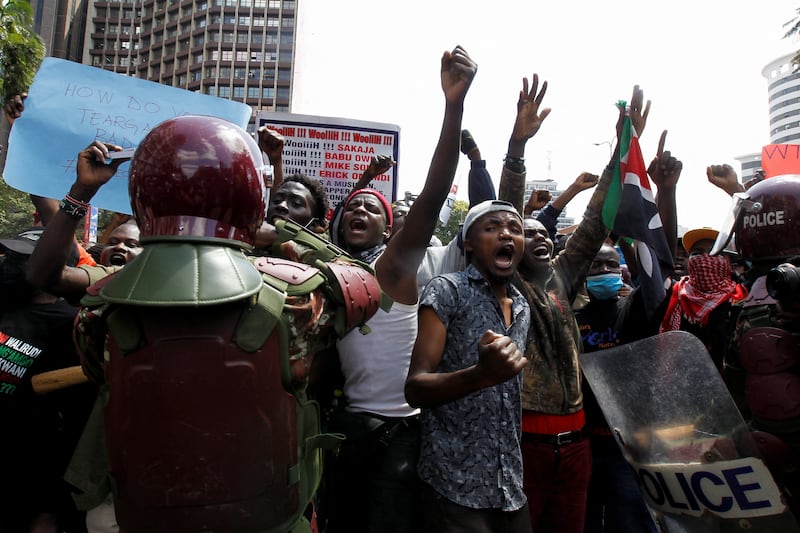
The Finance Bill 2024, introduced in parliament on 18 June, sought to generate an additional $2.67 billion through new taxes but faced immediate backlash. The bill’s provisions to raise taxes on essential goods and services, such as bread and mobile money transfers, sparked outrage among the public, leading to largely peaceful demonstrations in cities and towns across Kenya and online. However, after several days, these rallies escalated into violent clashes, with protesters attempting to storm the parliament building, and businesses in several cities looted and vandalised.
According to the state-funded Kenya National Human Rights Commission, the protests have resulted in over 40 fatalities, numerous injuries, and extensive property damage.

During the Cabinet meeting, officials were briefed on the security situation following the unrest. It was noted that while the protests initially began in response to the proposed tax measures, they were subsequently infiltrated and hijacked by criminal and opportunistic political forces. These groups spread terror across urban areas, leading to loss of life and extensive damage to national and county government buildings, infrastructure, vehicles, homes, and businesses.
The meeting also highlighted that all national security agencies, including the military, were deployed to prevent a breakdown of law and order, particularly given the threats posed to Parliament, the Supreme Court, and other critical infrastructure. It was reported that security agencies have since stabilised the situation and continue to monitor developments closely.
On 13 June, Kenya presented its budget for the financial year 2024/2025, amounting to approximately $30 billion. The budget prioritised sustaining economic growth, projected to reach 5.5 per cent in 2024, according to the National Treasury.
As the government now re-evaluates its financial plans, it remains committed to ensuring that essential national programmes are preserved while making necessary budgetary adjustments to address the immediate concerns of the populace.