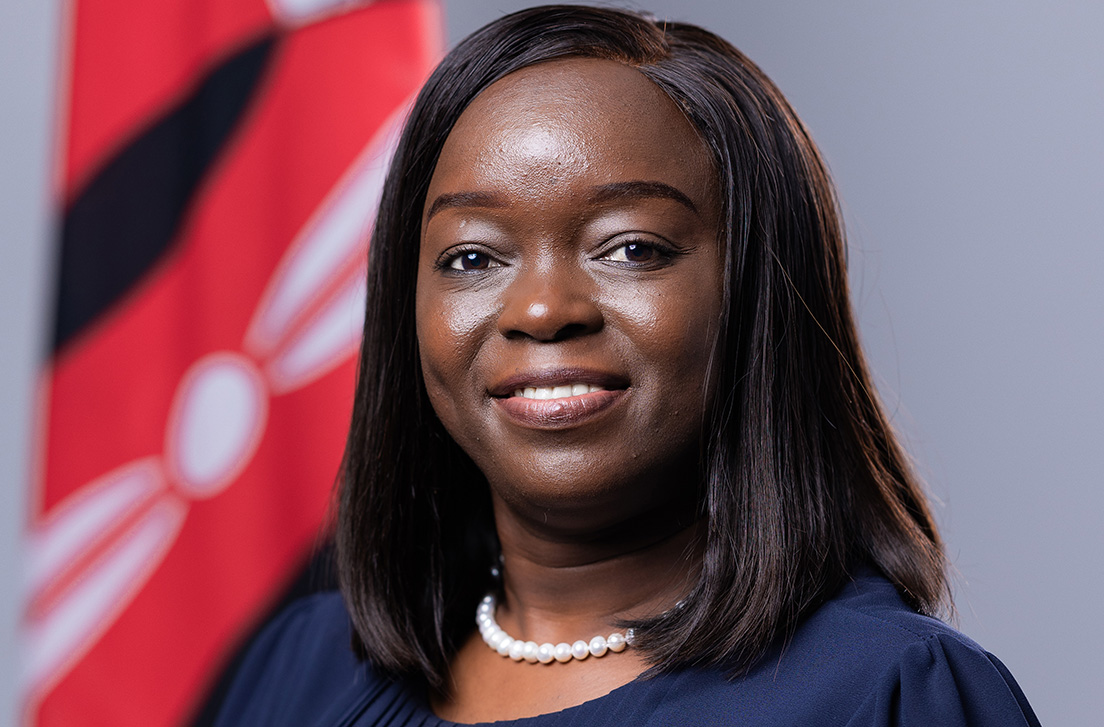
The Ministry of Health in Kenya has formally launched the Social Health Insurance Fund, a new scheme aimed at alleviating the financial strain on citizens requiring essential medical services. The initiative, overseen by Debra Mulongo Barasa, the Cabinet Secretary for Health, promises to improve service delivery while ensuring fairness in access to health care.
At a ceremony held on Tuesday in Kakamega County, Barasa articulated the scheme’s primary objective: to reduce out-of-pocket expenses for Kenyans seeking critical treatments, such as dialysis, chemotherapy, dental care, and surgery. The scheme has already attracted over two million enrollees, who are required to make a minimum monthly contribution of 300 Kenyan shillings (approximately 2.32 US dollars).
“We have commenced the activation of the Social Health Insurance Fund in both public and private health facilities,” Barasa confirmed. “Registered citizens will benefit from quality services, including consultations, diagnostics, and treatment, at a fraction of the usual costs.”



The impetus for this new insurance scheme arises from widespread dissatisfaction with the former National Health Insurance Fund, which critics argue failed to fairly distribute benefits across the population. The transition began in July, reflecting the government’s commitment to ensuring equitable healthcare access.

Under the new scheme, salaried employees are mandated to contribute 2.75% of their monthly earnings, whilst the government will provide subsidies for low-income individuals and those unemployed. This pooling of resources is designed to facilitate universal health coverage and diminish the financial burden associated with terminal illnesses.
In a further commitment to primary health services, the government has pledged to fully cover grassroots healthcare facilities, while advanced medical services will see substantial subsidies funded by contributions from higher-income earners. High earners can expect to pay contributions as substantial as 27,000 shillings monthly, according to Harry Kimtai, Principal Secretary of the State Department for Medical Services.
The Social Health Authority, a governmental agency, has been entrusted with the administration of this new scheme, which was developed following extensive consultations with stakeholders and research analyses. This structured approach aims to affirm the government’s intention to correct the inequities of previous healthcare provisions and promote a sustainable healthcare model.
As Kenya embarks on this crucial journey towards improving its healthcare landscape, the successful implementation of the Social Health Insurance Fund may well represent a paradigm shift in addressing the myriad healthcare challenges faced by its citizens.