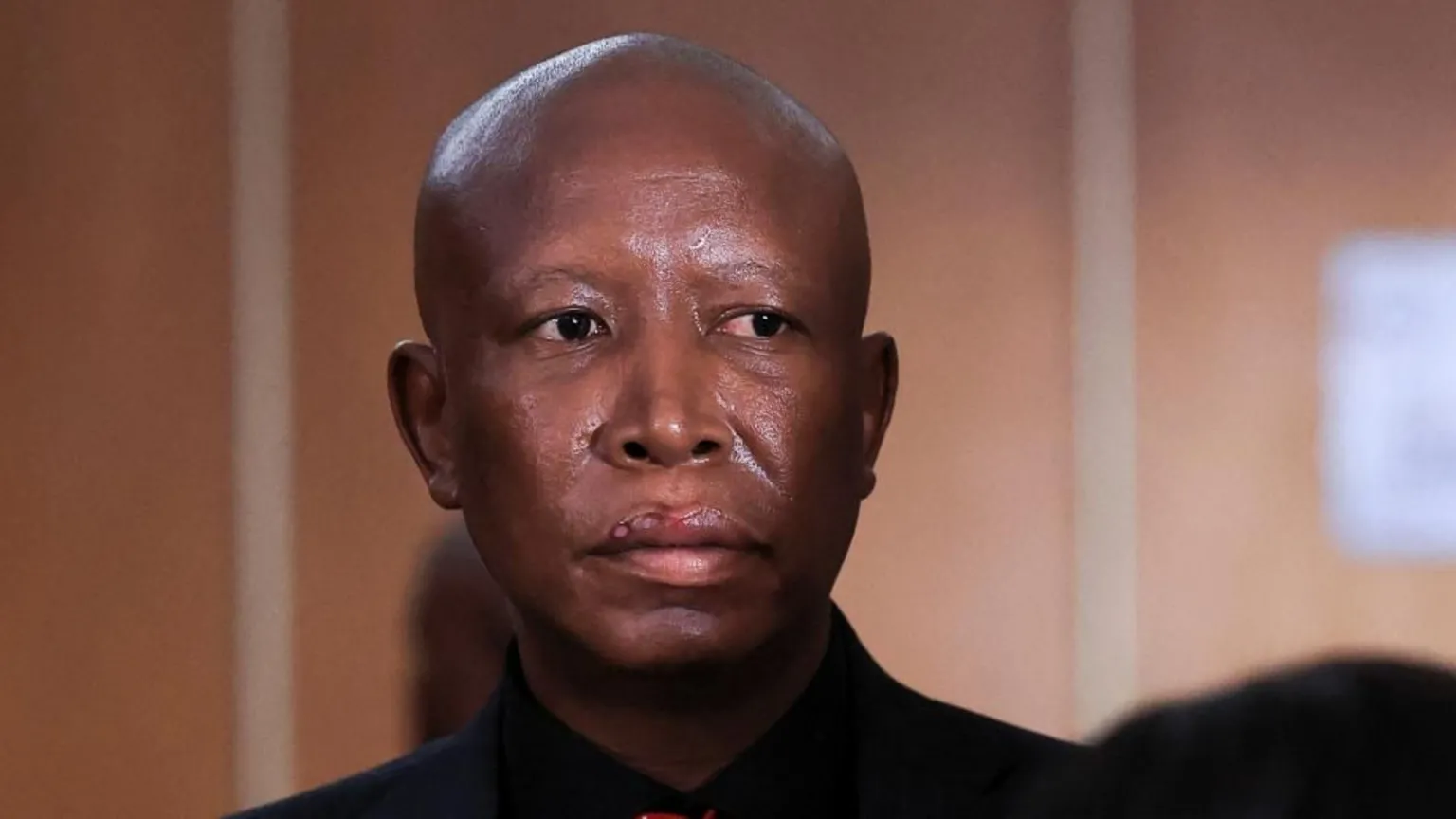
Julius Malema, leader of the Economic Freedom Fighters, has been sentenced to five years’ imprisonment after being found guilty of the illegal possession of a firearm and discharging it in public, in a ruling that carries significant implications for South Africa’s political landscape.
The sentence was handed down by Magistrate Twanet Olivier, who, while affirming the seriousness of the offences, granted Malema leave to appeal. The decision means the 45 year old Member of Parliament will not serve time immediately, allowing him to remain politically active as the legal process unfolds.
Malema showed little visible reaction in court as the sentence was delivered. His conviction stems from a 2018 incident in the Eastern Cape, where he was filmed firing a semi automatic rifle into the air during celebrations marking his party’s anniversary. The footage, which later circulated widely, formed the basis of multiple charges, including unlawful possession of a firearm, discharging a firearm in public and reckless endangerment.



In her ruling, Olivier rejected the notion that the act was spontaneous, describing it as a central feature of the event rather than an isolated lapse in judgment. She also noted that while Malema’s political status did not influence the legal outcome, his prominence imposed a greater responsibility for accountability.
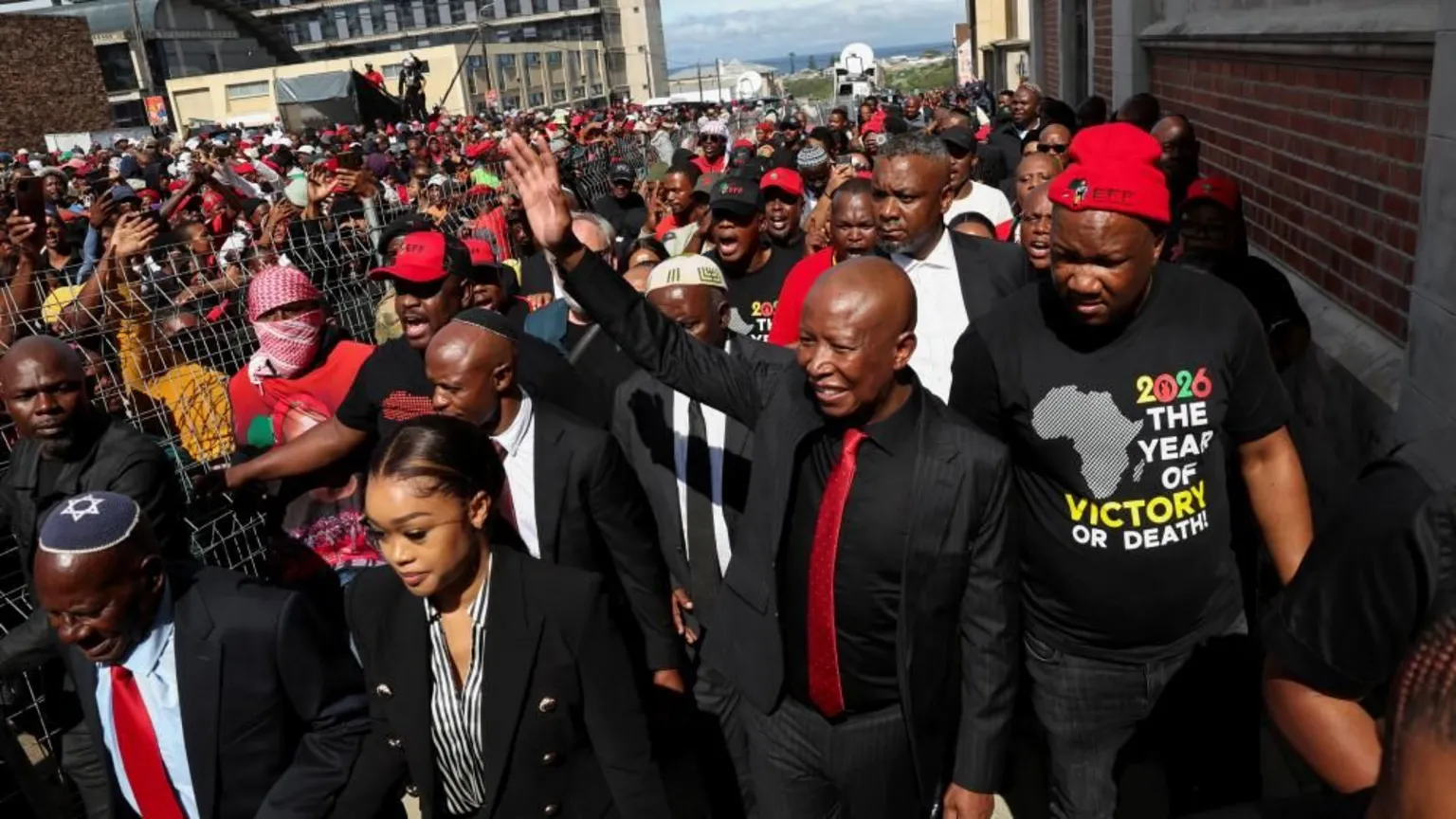
Outside court, Malema struck a defiant tone, alleging that the case formed part of a broader attempt to silence him. Addressing supporters who had gathered in large numbers, he framed the conviction within a wider political struggle, reinforcing his long standing rhetoric against what he describes as entrenched inequality and systemic power structures.

Political analysts suggest the appeals process could extend over several years, effectively allowing Malema to continue leading the EFF and participating in parliamentary politics in the interim. Should the conviction ultimately be upheld, however, he would face disqualification from public office for a period of five years.
Malema remains one of South Africa’s most polarising political figures. A former youth leader within the African National Congress, he was expelled before founding the EFF, which has since grown into a significant opposition force. The party secured its position as the country’s fourth largest political formation in the 2024 general elections, drawing support through its calls for land reform and economic redistribution.
The case was initially brought forward by AfriForum, an organisation that has had a contentious relationship with Malema and his party. It has also been involved in other legal challenges against him, including a separate hate speech ruling linked to remarks made at a political rally.
Despite mounting legal pressures, Malema has consistently maintained a confrontational stance, previously stating that imprisonment or even death would not deter his political mission. His supporters echoed that resolve outside the courtroom, chanting in solidarity as news of his right to appeal emerged.
The outcome of the appeals process will be closely watched, not only for its legal significance but for what it may signal about accountability, political rhetoric and the boundaries of public conduct in South Africa’s evolving democracy.