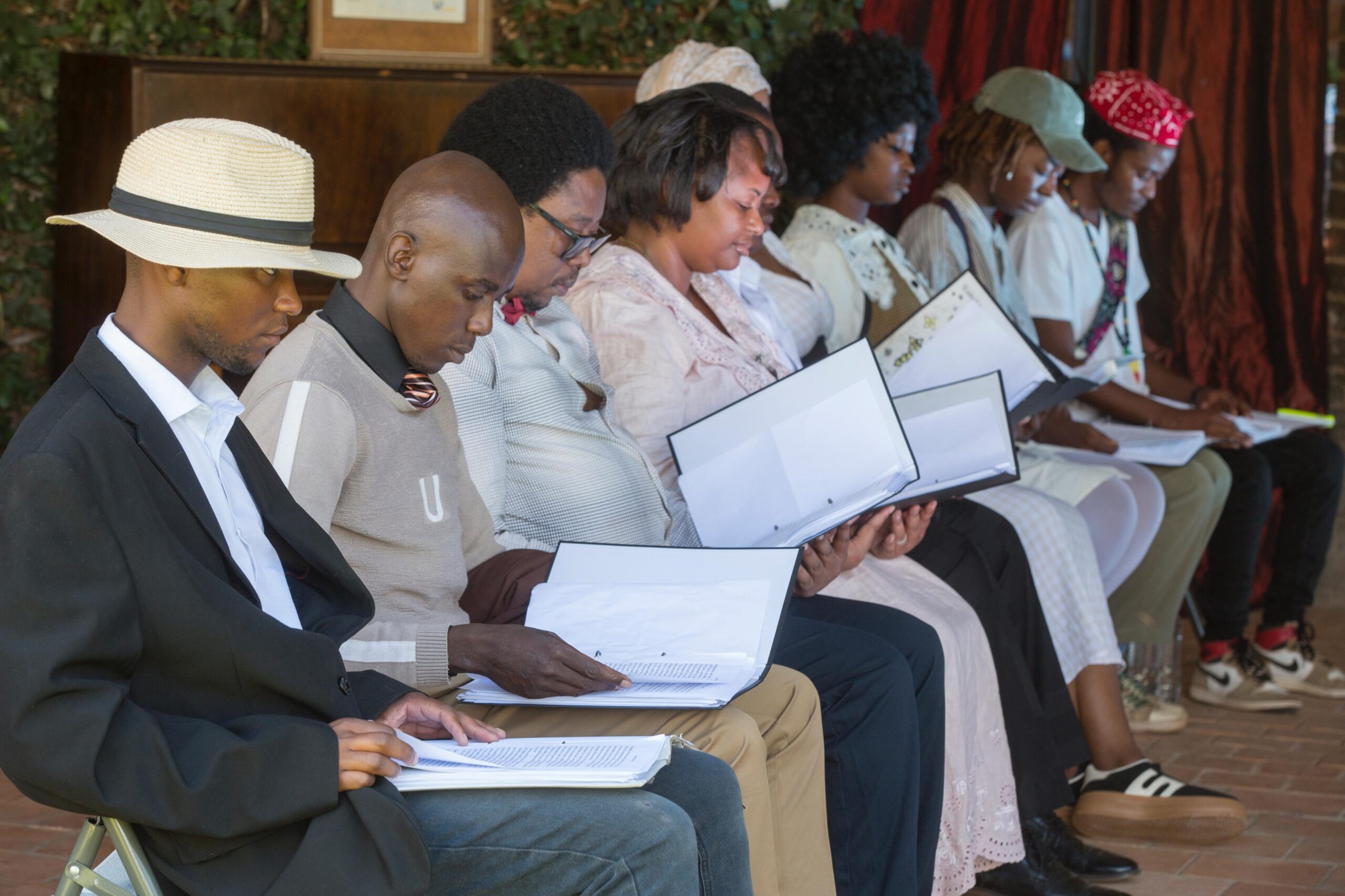
Harare’s theatre landscape is set for a compelling cultural moment as Almasi Collaborative Arts prepares to present a staged reading of Sweat on 17 April 2026, bringing the work of one of the world’s most celebrated playwrights to a local audience.
Written by two time Pulitzer Prize winner Lynn Nottage, Sweat stands among the most significant contemporary plays of the past decade. Known for her deeply human storytelling and sharp social insight, Nottage has built a global reputation for exploring the lives of ordinary people navigating complex systems of power, identity and survival. Her work consistently bridges continents, offering narratives that resonate across cultures while remaining rooted in specific lived experiences.
The staged reading in Harare represents more than a performance. It is an invitation into Nottage’s world, one shaped by empathy, precision and an unflinching gaze at the realities of economic and social change. Set in working class America, Sweat traces the emotional and psychological toll of industrial decline, but its themes extend far beyond geography. Questions of dignity, labour, inequality and resilience echo strongly within Zimbabwe’s own socio economic landscape, making the play both timely and relatable.




Presented at the Friendship Bench Hub, the reading will be directed by Charlene Mangweni-Furusa and performed by a dynamic ensemble of local talent. Through this interpretation, Zimbabwean performers will breathe new life into Nottage’s text, offering audiences a fresh perspective that connects global writing with local voice.
The initiative also reflects Almasi’s ongoing commitment to artistic exchange and development. Under the guidance of Gideon Jeph Wabvuta, the production will follow an intensive dramaturgical process, ensuring that the reading is not only a performance but a learning experience for both artists and audiences.
Nottage’s connection to Zimbabwe adds further depth to the moment. Following her recent engagement with local writers, the arrival of Sweat on a Harare stage signals a continuation of that dialogue, reinforcing the importance of global storytelling that speaks to shared human realities.

As audiences gather tomorrow, they will not simply be watching a play. They will be engaging with one of the most important voices in contemporary theatre, experiencing a story that travels across borders while remaining grounded in the universal pursuit of dignity and belonging.