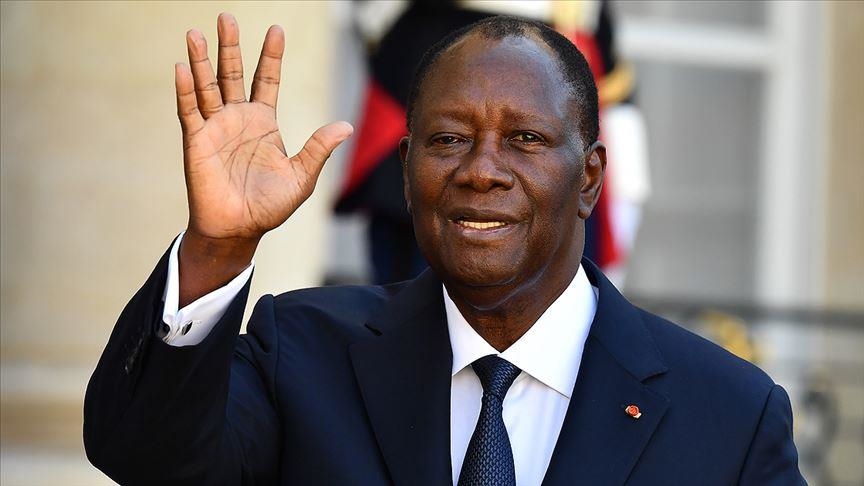
Ivory Coast’s President, Alassane Ouattara, has declared that French military forces will commence their withdrawal from the country in January 2025, concluding a presence that has spanned several decades. This decision aligns with a broader trend among West African nations reassessing their military collaborations with France, the former colonial power.
In his end-of-year address, President Ouattara stated, “We have decided on the concerted and organized withdrawal of French forces in Ivory Coast.” He attributed this move to the significant advancements and modernization of the Ivorian armed forces, suggesting that the nation’s military is now sufficiently equipped to assume full responsibility for the country’s security. The French military base in Abidjan is slated to be handed over to Ivorian control as part of this transition.
France currently maintains approximately 600 troops in Ivory Coast. The planned withdrawal is part of France’s broader strategy to reduce its military footprint in Africa, particularly in West and Central Africa. Recent years have seen France’s military presence diminish in countries such as Mali, Burkina Faso, and Niger, often in response to military coups and escalating anti-French sentiment. Notably, Chad recently terminated its defence cooperation agreement with France, further indicating shifting dynamics in the region.




The reduction of French troops in Africa is also influenced by France’s strategic reassessment, focusing more on European security concerns amid the ongoing conflict in Ukraine, as well as budgetary constraints. This recalibration has led to plans to decrease troop numbers in countries like Chad, Gabon, and Ivory Coast from 2,200 to approximately 600.
Despite the withdrawal, France intends to maintain a collaborative military relationship with Ivory Coast. The French defence ministry has indicated that the handover of the base will be conducted in coordination with Ivorian authorities, ensuring a seamless transition. The ministry emphasized that this development does not undermine the strong bilateral military ties between the two nations, and existing cooperation agreements will remain in effect.
Analysts interpret this development as part of a broader structural transformation in West Africa’s engagement with France. The region has witnessed a rise in anti-French sentiment, particularly in countries that have experienced military coups. Following the expulsion of French troops, some nations have sought closer ties with alternative partners, including Russia. However, these shifts have, in certain instances, led to deteriorating security conditions, with an uptick in extremist attacks and civilian casualties.
President Ouattara, regarded as a close ally of France, has previously criticized countries like Mali for engaging with Russian private military contractors, such as the Wagner Group. Nonetheless, the decision to proceed with the French military withdrawal may also be influenced by domestic political considerations. With presidential elections anticipated in October, this move could bolster Ouattara’s position amid growing nationalist sentiments and calls for greater sovereignty over national security matters.
The historical context of France’s military involvement in Ivory Coast dates back to the colonial era. France increased its military presence during Ivory Coast’s civil conflicts in the early 2000s, notably through Operation Licorne, which supported United Nations peacekeeping efforts. Over time, as Ivory Coast has achieved greater political stability, the necessity for a foreign military presence has been increasingly questioned.
The forthcoming withdrawal signifies a pivotal moment in Franco-Ivorian relations, reflecting a mutual recognition of Ivory Coast’s enhanced capacity to manage its security autonomously. As the region continues to navigate complex security challenges, the evolution of military partnerships and alliances will play a crucial role in shaping West Africa’s geopolitical landscape.