International Lithium Corp (ILC), a Canadian-listed exploration company with operations spanning Canada, Ireland and Southern Africa, has confirmed it has received an unfavourable arbitration determination concerning its partner Lepidico Chemicals Namibia (Pty) Ltd (Lepidico Namibia). The arbitration, conducted at the Singapore International Arbitration Centre, related to a dispute between Lepidico Namibia and Jiangxi Jinhui Lithium Co., Ltd (Jinhui) in China.
The dispute stems from events that occurred before Lepidico Ltd’s 2019 acquisition of the TSX Venture Exchange-listed Desert Lion Energy Inc, which originally held the Karibib Lithium, Rubidium and Cesium Project in Namibia. The case was brought under Ontario law but was referred to arbitration by the State Administration of Foreign Exchange, a regulatory body under the People’s Bank of China. The tribunal, composed of two Chinese nationals and one Singaporean national, issued its determination in Chinese with an English translation provided thereafter.
According to ILC, the outcome was not in Lepidico Namibia’s favour, resulting in a decision that benefits Jinhui. The company noted that it had structured its September 2025 agreement to purchase Lepidico Mauritius, which owns 80 per cent of Lepidico Namibia, as an option in anticipation of the arbitration outcome. ILC’s board of directors has stated it is now assessing its strategic options following the decision and will provide updates in due course.



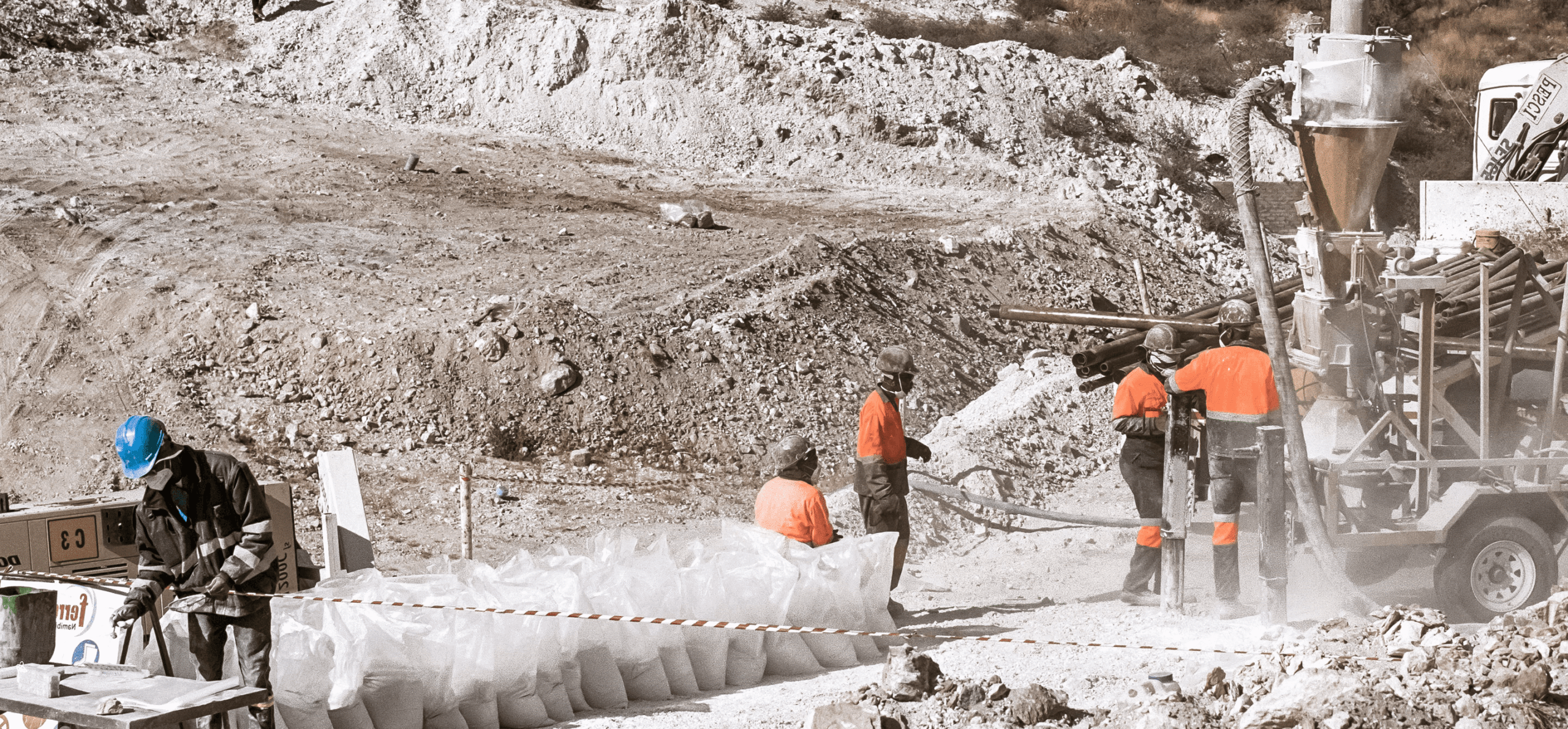
ILC remains a secured creditor of Lepidico Mauritius and continues to express confidence in the long-term potential of the Karibib Project, situated in central Namibia. The project, which contains lithium, rubidium and cesium deposits, is considered strategically important within the global energy transition context and aligns with Namibia’s increasing prominence in the supply of critical minerals for clean technologies.

The company has underscored that while it currently treats the Karibib data as historical due to the option structure, the project remains part of its broader Southern African vision. Namibia, which has steadily positioned itself as a key player in the regional battery metals landscape, offers geological potential and a stable investment climate that continues to attract international exploration and development interests.
Beyond Namibia, ILC’s strategic focus is centred on advancing its 100 per cent owned Raleigh Lake lithium and rubidium project in Ontario, which spans approximately 32,900 hectares. The company has also applied for Exclusive Prospecting Orders in Zimbabwe as part of a broader regional expansion strategy aimed at strengthening African critical minerals development partnerships.
The Raleigh Lake Project has completed a Preliminary Economic Assessment for its lithium component, while a detailed economic evaluation for its rubidium resource remains pending. The project benefits from established infrastructure including road and rail networks, positioning it for potential near-term scalability.
ILC’s recent divestitures, including the Mariana Project in Argentina, Mavis Lake in Canada, and Avalonia in Ireland, have generated sufficient liquidity to sustain ongoing exploration and evaluation activities. The company continues to align its portfolio with global demand for strategic minerals that underpin renewable energy storage, electric vehicle production and advanced manufacturing technologies.
The demand for lithium and related minerals continues to intensify as the world moves toward reduced carbon dependency and a more sustainable energy framework. For African economies, this presents both opportunity and challenge—requiring a balance between local beneficiation, environmental stewardship and equitable economic participation.
In this evolving context, ILC’s activities in Southern Africa signal not only the global industry’s recognition of the continent’s geological potential but also the importance of ensuring that African resource development models remain centred on local value creation, transparency and inclusive growth.