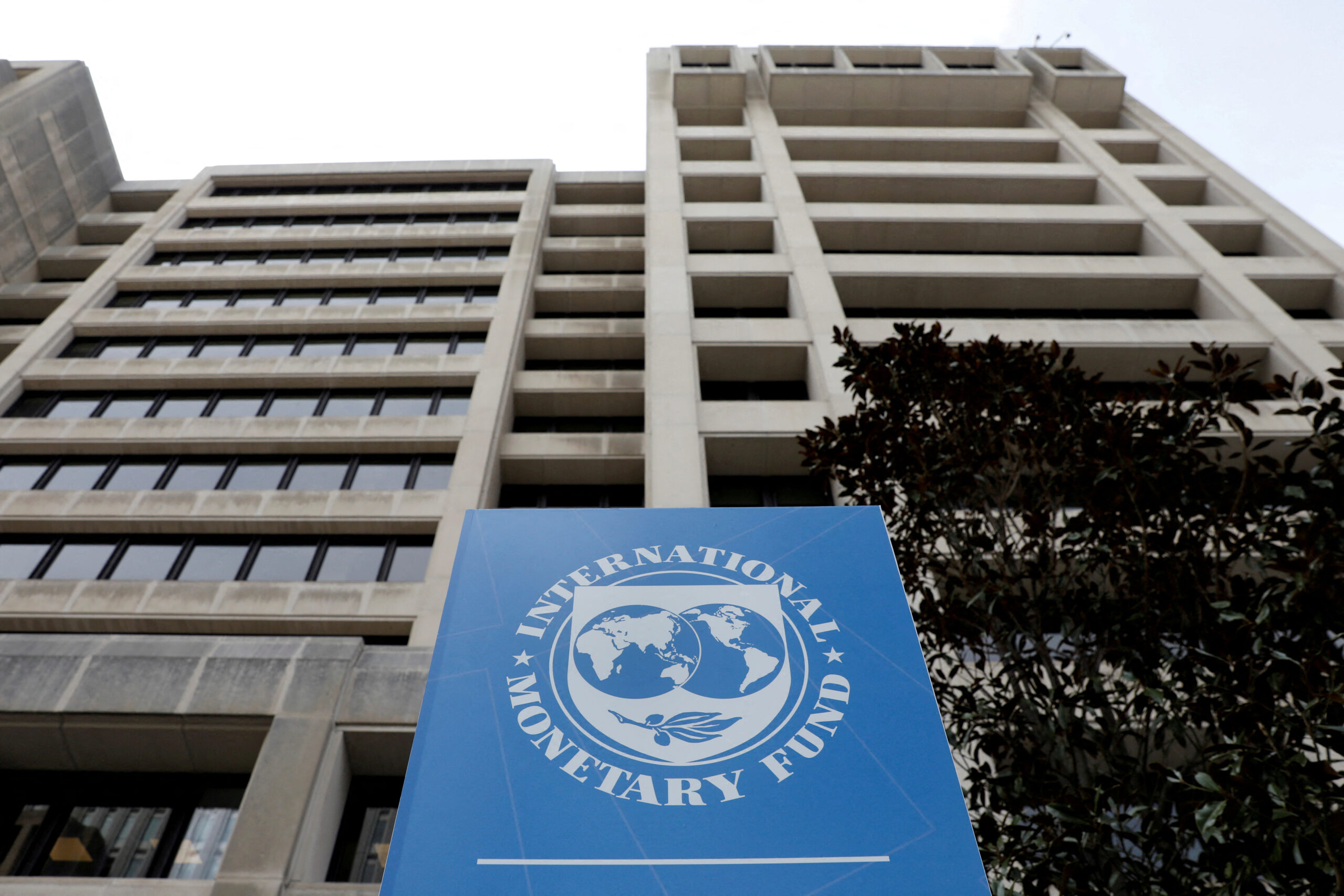
In a development closely watched by the international economic community, the International Monetary Fund (IMF) has commenced an evaluation of Senegal’s recently revised economic data, following the government’s ongoing inspection of both past and current IMF-supported programmes. This inspection aims to recalibrate the nation’s macroeconomic trajectory and ensure that the data upon which key fiscal and monetary decisions are based reflect an accurate and unvarnished portrayal of the country’s financial health.
The IMF’s statement, issued on Wednesday, revealed that a staff team had visited Senegal to begin the process of understanding the scope and implications of these revisions. Though the Senegalese government’s final certification of the revised data remains pending, the IMF’s engagement reflects its commitment to transparency and accountability in the oversight of the nation’s financial management. The Fund underscored that its team will maintain close collaboration with Senegalese authorities over the coming weeks to ascertain the broader macroeconomic impact of the changes and to chart a forward-looking course.
Senegal, a rising economic star in West Africa, has been a beneficiary of IMF support programmes designed to bolster fiscal discipline, encourage sustainable development, and foster economic resilience. However, the revised data—stemming from the government’s deeper examination of the nation’s fiscal management—raises important questions about the accuracy of prior reporting and the potential consequences of these adjustments on Senegal’s ongoing economic reform agenda.



The timing of these revisions could not be more critical. Senegal is currently navigating a period of economic adjustment following the disruptions caused by the COVID-19 pandemic, inflationary pressures from global commodity price fluctuations, and a renewed emphasis on regional security amid escalating tensions in the Sahel. How the country balances these internal and external pressures will largely depend on the accuracy and credibility of its economic data.
According to the IMF, the next steps will involve a thorough evaluation of the macroeconomic impact of these revisions. This process is expected to be complex, involving a review of historical fiscal data, recalibration of current projections, and the potential adjustment of key macroeconomic targets. The IMF’s involvement will be pivotal in ensuring that Senegal’s economic policies remain on a stable footing while maintaining the confidence of international lenders and investors.

While the final outcome of the data revisions is yet to be determined, the implications for Senegal’s engagement with the IMF could be significant. Should the revisions reveal discrepancies that materially alter the country’s fiscal position, it may lead to a renegotiation of the terms of its ongoing IMF-supported programmes. This could, in turn, affect the disbursement of financial assistance and the framework of conditionalities tied to these loans.
Furthermore, Senegal’s credibility with other multilateral institutions and private investors could also be influenced by how swiftly and transparently it addresses these revisions. The IMF has been keen to highlight that its collaboration with Senegalese authorities will remain constructive and focused on supporting the country’s long-term development goals.
In the immediate term, the government of Senegal will need to act decisively to finalise its internal review and provide clear, certified data to the IMF. While it is not uncommon for emerging economies to revise their fiscal data, the effectiveness of Senegal’s response in handling this process will likely have lasting effects on investor confidence and the country’s ability to secure future funding.
Beyond the immediate macroeconomic implications, Senegal’s response to this revision process could serve as a model for other nations undergoing similar fiscal scrutiny. The IMF’s continued involvement will offer crucial technical expertise and oversight, ensuring that the country remains on a path of fiscal prudence while fostering inclusive economic growth.
Looking forward, the IMF will continue its in-depth assessment in conjunction with Senegalese authorities, with a public update expected in the coming weeks. Global investors, multilateral agencies, and other stakeholders will undoubtedly be keenly observing this process, eager to understand the full ramifications of Senegal’s data revisions.
With the global economic landscape becoming increasingly interdependent, how Senegal navigates these data revisions will serve as a critical case study in the relationship between transparent governance and economic resilience. The IMF’s commitment to supporting Senegal through this process demonstrates the vital role that multilateral institutions play in safeguarding economic stability, particularly in emerging markets.