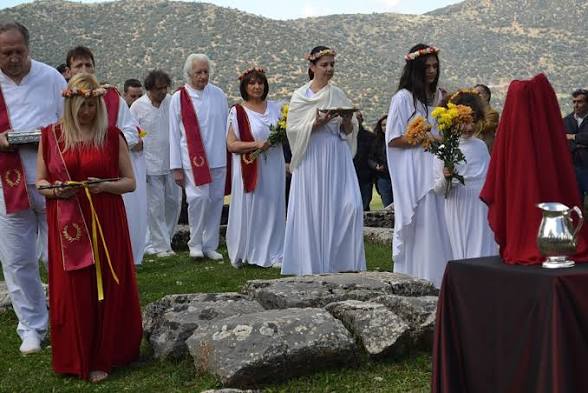
Across many societies, a renewed interest in ancestral traditions and pre Christian spiritual practices is gaining momentum. Often framed as cultural recovery, this revival has drawn people seeking identity, belonging, and alternatives to modern secular life. Yet it also raises difficult questions, particularly for Christians, about where cultural preservation ends and religious reinvention begins.
At one level, the revival reflects a genuine search for roots. Cultural heritage matters. It carries memory, language, ritual, art, and moral traditions passed through generations. In many places, Christianity itself has shaped that heritage through architecture, music, literature, and community values. The desire to recover neglected histories is understandable, particularly in societies marked by colonial disruption or cultural erasure.
But what is now often described as pagan revival is not always simple preservation. Much of it involves reconstruction. Contemporary forms of neopaganism, whether expressed through Celtic spirituality, revived African traditions, or Norse religious practice, frequently rely on fragments of history, scholarly interpretation, and modern imagination. They are often less direct continuations of ancient faiths than new spiritual movements drawing inspiration from them.



That distinction matters.
For some, these movements represent cultural affirmation. For others, they risk confusing nostalgia with authentic tradition and spirituality with invention. This is where the boundaries become blurred.
Part of the appeal lies in dissatisfaction with modern religious life. Some are drawn to these revivals through ecological concerns, indigenous identity, or a belief that institutional religion has become disconnected from lived experience. Nature centred spirituality, mysticism, and ritual often appear to offer a sense of depth and belonging that many feel is absent elsewhere.

Yet from a Christian perspective, this revival raises serious theological concerns. The issue is not respect for culture, but the reintroduction of beliefs and practices that may conflict with core Christian convictions. Worship directed toward nature, divination, or spiritual systems rooted in pantheism or occultism cannot be treated merely as harmless expressions of heritage.
There is also the question of how popular culture has shaped this revival. Film, literature, and digital media often romanticise witchcraft, ancestor veneration, and mystical traditions as liberating or empowering, while presenting Christianity as rigid or outdated. This framing can subtly influence younger generations, turning spiritual experimentation into cultural fashion.
At the heart of the debate is authenticity. Can reconstructed practices based on partial records truly claim continuity with the past, or are they modern creations dressed in ancient symbols?
Consider revived Norse or Druid traditions. Much of what is known about these belief systems survives through limited and often filtered sources. Contemporary practitioners may approach them sincerely, but sincerity does not resolve the question of whether these are recoveries of tradition or reinterpretations shaped by modern sensibilities.
There is a related tension between cultural preservation and cultural appropriation. Some revival movements engage heritage with care and historical sensitivity. Others selectively borrow symbols and rituals while stripping them of context, turning sacred traditions into commodities or aesthetic identities. This risks reducing culture to performance.
Supporters of revival argue, with reason, that heritage is not static. Traditions evolve. Communities reinterpret their past. In some cases, reviving suppressed customs can be a form of resistance against historical erasure. That argument deserves serious consideration.
But Christians must still ask whether every recovered tradition is spiritually compatible with the faith.
Respect for culture does not require religious compromise.
The challenge, then, is not to reject heritage but to discern carefully. Language, music, oral traditions, and communal memory can be honoured without reviving spiritual practices that stand in tension with Christian belief. There is room for cultural recovery that strengthens identity while remaining rooted in faith.
This requires the Church to be more proactive. Teaching on these issues cannot be left to reaction. Christians need thoughtful formation that helps distinguish appreciation of heritage from uncritical embrace of spiritual movements presented as harmless or fashionable. This also calls for stronger engagement in apologetics, scholarship, and cultural dialogue, rather than retreat.
There is, too, a media challenge. If entertainment continues to romanticise pagan symbols while caricaturing faith, then alternative narratives rooted in theological depth and cultural confidence become necessary.
The resurgence of ancient spiritual traditions should not simply be dismissed, nor should it be embraced uncritically. It invites deeper reflection on identity, memory, and belief.
For Christians, the central question remains clear. Can the search for roots coexist with fidelity to Christ?

It can, but only where heritage is honoured without allowing nostalgia to become a substitute for truth.
Cultural memory has value. But spiritual fulfilment is not found in reconstructing the sacred fragments of the past. It is found, Christians would argue, in the enduring wisdom and salvation offered through Christ. That is the distinction the present moment demands we keep clear.
Brendan Amadi is a Nigerian‑born scholar, writer, and public intellectual based in the United Kingdom, whose work traverses the intersecting fields of politics, religion, philosophy, history, and African identity.