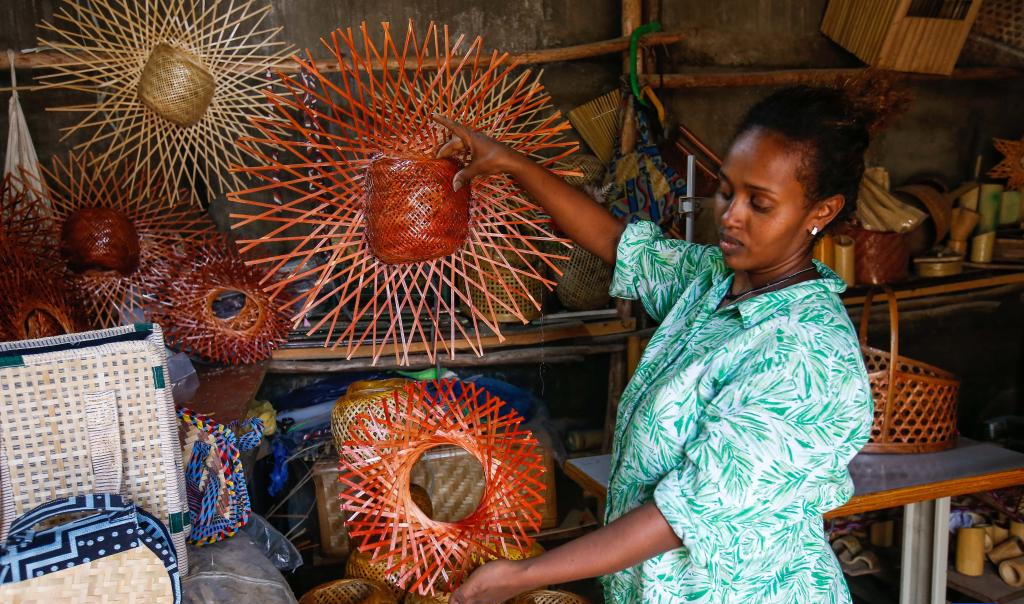
Nestled within the bustling heart of Addis Ababa, Ethiopia’s capital, a modest bamboo workshop is quietly transforming lives. The Green Golden Bamboo workshop is an oasis of change, particularly for Fikirte Gebre, a mother of four, and her five companions, all of whom have overcome the economic despair that once pushed them towards illegal migration. Their poignant journey from housemaids in the Middle East to bamboo artisans highlights the immense potential of a craft once dismissed as rural labour.
Once bound by unemployment and poverty, these resilient women are now at the vanguard of Ethiopia’s bamboo revolution. The narrative of their transformation began with a government-backed training scheme in bamboo craftsmanship, a lifeline they seized with both hands. Prior to that, these women had returned home with little to no hope, having spent years as domestic workers in Syria and the UAE. The future seemed bleak—until bamboo presented an unexpected opportunity.
A Timely Pivot Towards Sustainability



“If it weren’t for our desperation, we would not have ventured into bamboo processing,” Gebre confessed. “People used to underestimate bamboo craftsmanship.” Yet, Ethiopia is home to the largest bamboo reserves in Africa—an astounding 1.47 million hectares, with potential for further expansion. Despite this wealth, bamboo’s economic and ecological potential has remained largely untapped.

After completing a four-month government training, fortune smiled upon Gebre and her group when they were selected for a two-month bamboo processing course in China. Facilitated by the International Bamboo and Rattan Organisation (INBAR), the training opened their eyes to bamboo’s untold possibilities, including its role in technological innovation.

“China changed everything,” Gebre stated, recalling how the programme equipped them with modern techniques, tools, and a vision for bamboo’s sustainable future.
From Modest Beginnings to Growing Fortunes
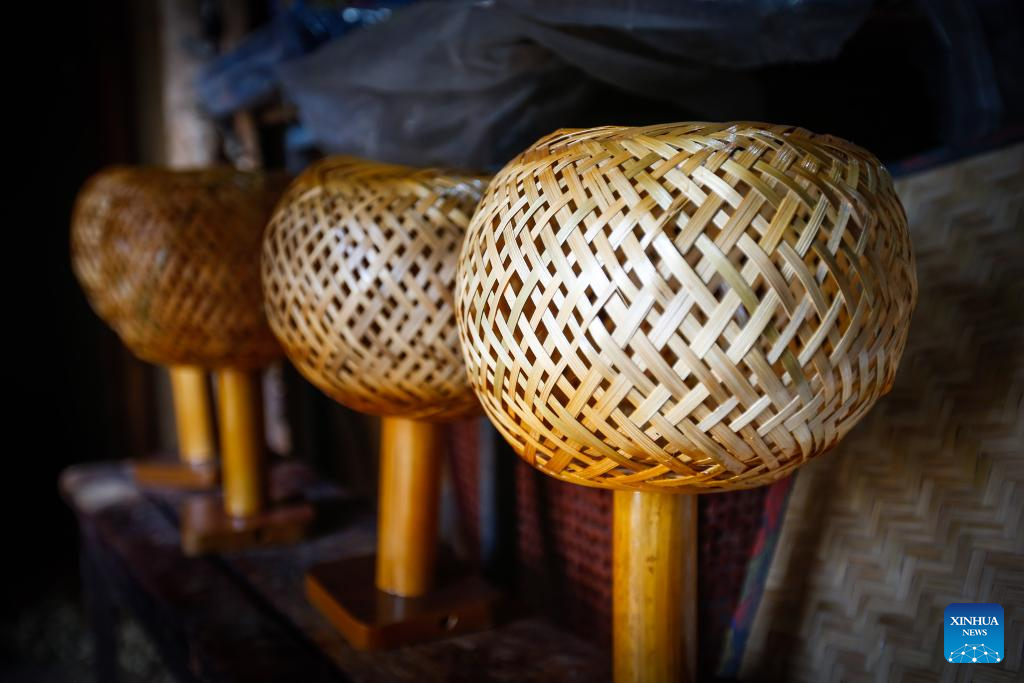
Upon their return to Addis Ababa, they converted a former landfill into a rudimentary workshop. Armed with little more than knives and handsaws, they began crafting household goods by hand. However, INBAR’s support soon allowed them to mechanise their efforts, transforming the workshop into a buzzing hive of productivity.
The result has been staggering. In five short years, their enterprise has blossomed into a successful business that now generates upwards of 200,000 birrs (£3,000) during events and bazaars, far eclipsing the 10,000 birrs (£150) they managed in the early days.
Beyond financial gain, the bamboo initiative has radically changed the lives of its participants. “Before I started my bamboo business, I was living with my parents as a single mother. Now, I comfortably support a family of six,” Gebre proudly explained.
An Engine for Social Change
The impact of their journey extends beyond personal success. Gebre and her group are now torchbearers of empowerment, sharing their skills with other vulnerable Ethiopians. They have trained over 130 unemployed individuals, including women, youth, and people with disabilities, transforming bamboo into a tool for social mobility. Their reach has transcended borders, too, with the group travelling to Kenya and Uganda to share the techniques they learned, such as producing bamboo-based plastic alternatives.
As Gebre contemplates her years in the bamboo sector, her optimism is palpable. “Bamboo is incredibly versatile and sustainable,” she declared, “from building homes to producing clothing and even food, its benefits are endless.”
Ethiopia’s bamboo sector, long overshadowed by traditional industries, is emerging as a beacon of hope, thanks to the ingenuity and tenacity of a group of women who have proven that with knowledge, sustainability, and determination, lives can be rebuilt from the ground up—one bamboo product at a time.