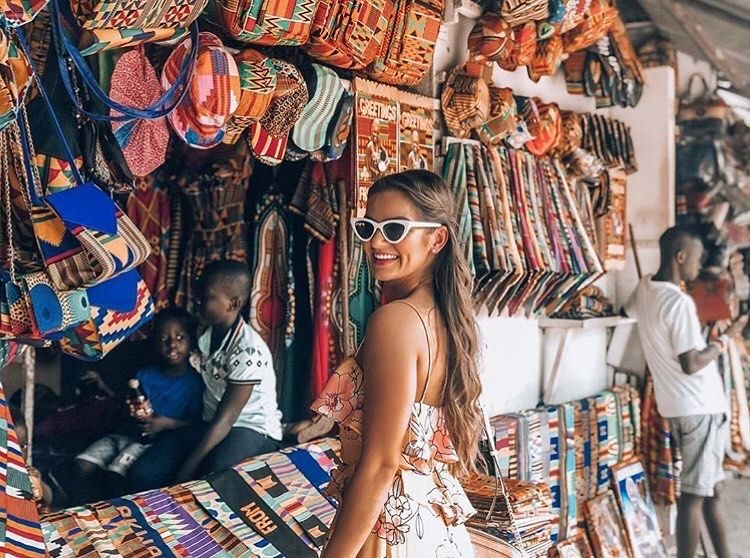
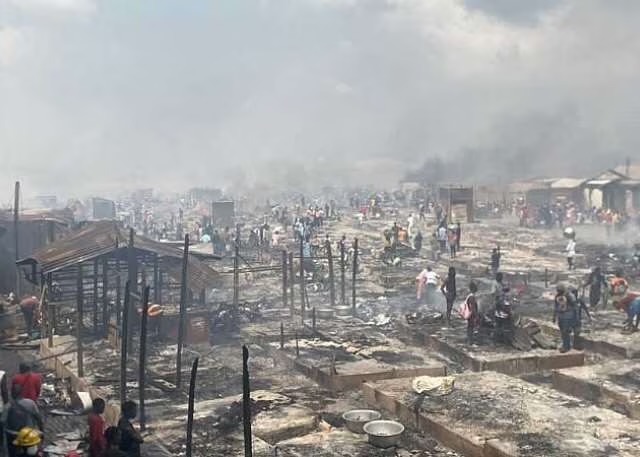
The recent fire at Kantamanto Market in Accra, Ghana, one of the world’s largest hubs for secondhand clothing, has reignited discussions about the economic vulnerabilities of informal markets and their broader role in the global economy. As traders grapple with significant financial losses and the disruption of their livelihoods, questions arise about the oversight and sustainability of such markets. Kantamanto Market not only supports thousands of traders but also plays a critical role in the circular economy, reducing global textile waste by repurposing garments from major brands. However, the lack of safety protocols, infrastructure, and financial protections has left traders exposed to catastrophic risks. This incident raises the need for a deeper examination of whether secondhand markets should undergo ethical audits to enhance safety, ensure sustainability, and protect the livelihoods they support.
The fire at Kantamanto Market has had a profound impact on the traders, both financially and emotionally. For many of them, their stalls and stock represent their primary source of income, and the destruction of their goods and businesses has resulted in significant financial losses. Many traders, particularly in the informal sector, do not have access to formal insurance or financial safety nets, leaving them vulnerable to the full financial impact of the disaster. This lack of resilience means that without external assistance, many traders face the risk of falling deeper into poverty. The financial blow extends beyond the traders themselves, as Kantamanto is an important part of the local economy. Its disruption could lead to supply chain shortages, rising prices for secondhand goods, and further strain on low-income households that rely on affordable clothing.
In response to the tragedy, traders have been calling for financial aid from the government to help them recover. They are seeking direct support, such as grants, loans, and assistance in rebuilding the infrastructure of the market. The government has an important role to play in helping these traders regain their livelihoods by providing targeted financial assistance to help them reestablish their businesses. This could include the provision of low interest loans or grants for rebuilding, as well as assistance with logistics and storage to help them get back on their feet. Additionally, traders have called for increased fire safety regulations and improved market infrastructure to reduce the risk of future fires, which would require government intervention and coordination with market stakeholders. The government’s role extends beyond direct financial aid. By investing in fire safety measures and improving infrastructure, the government could help make informal markets like Kantamanto more resilient to future disasters. This would involve enforcing fire safety standards, providing fire-resistant materials, and ensuring better access to emergency services. Moreover, integrating the informal sector into the formal economy, with access to insurance and savings options, could help mitigate the financial risks traders face in the future. Overall, while immediate financial support is essential for recovery, long-term solutions and government intervention to strengthen market resilience are necessary for the traders’ future security.



The question of whether secondhand markets should be treated similarly to manufacturing sites in terms of risk management, insurance, and regulations is becoming increasingly important, especially as the world embraces the principles of circularity and repurposing. Secondhand markets, such as Kantamanto Market, are critical components of the global economy, particularly within the context of sustainable fashion. These markets contribute to the circular economy by extending the lifecycle of garments and reducing textile waste. However, they also face significant challenges, including fire risks, poor infrastructure and working conditions, which make the need for a more formalised approach to their management essential.

Just like manufacturing or industrial sites, secondhand markets should be subject to building codes that require fireresistant materials, better fire exits, and access to fire suppression systems. The high risk of fire in these markets should be addressed through enhanced safety protocols, including mandatory building insurance. However, many traders in informal sectors lack access to traditional insurance, leaving them vulnerable to the financial repercussions of disasters. Providing accessible, low cost insurance options for traders would offer a safety net, helping them recover from losses and ensuring the economic stability of the market.
In addition to fire safety, secondhand markets should be regularly audited to ensure they comply with safety and environmental standards. With the rise of repurposing and the promotion of circularity, these markets should be part of a regulatory framework that ensures they are contributing positively to sustainability while minimising risks. Auditing could help ensure that markets meet safety standards, such as proper storage and handling of goods, safe waste disposal practices, and adherence to guidelines regarding hazardous materials. Audits could also check that products sold are free from harmful chemicals and confirm that market operations align with the principles of the circular economy by recycling, reusing, and reducing waste.
A holistic approach to the management of secondhand markets would involve collaboration between governments,auditing bodies, market stakeholders, and insurers. Governments should create frameworks that balance safety, sustainability, and the operational needs of these informal markets. Market stakeholders should be empowered to transition to more formalised operations while maintaining the flexibility and affordability that make these markets so vital to local economies.
Lessons from Kantamanto market extend beyond Ghana. Governments, market stakeholders, and insurers must collaborate to create frameworks that ensure the safety, sustainability, and ethical compliance within secondhand markets. These frameworks could balance operational needs with the requirements of the circular economy while supporting the livelihoods of those who depend on these markets. Treating secondhand markets with the same scrutiny as manufacturing sites will enhance their ability to contribute to global sustainability goals and protect the traders who make these markets thrive.