The Covid pandemic exposed the fault lines in health systems and national routine immunisation programmes around the world.
A recent World Health Organization (WHO) report showed that the pandemic fuelled the largest sustained decline in childhood vaccine coverage rates.
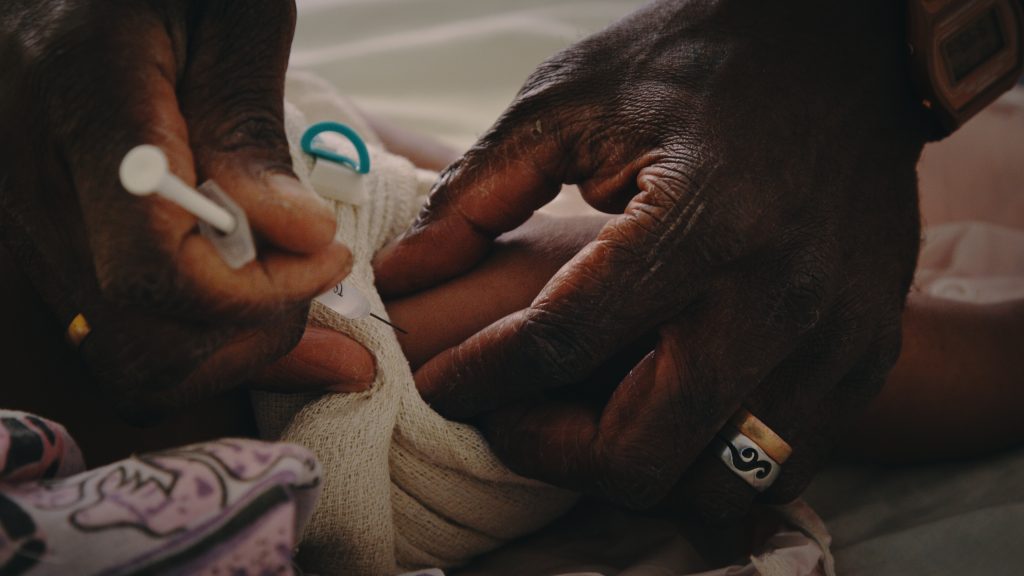
These declines threaten to undo the exceptional efforts made in preventing and controlling the devastating burden of vaccine preventable diseases globally. Routine immunisation has prevented two to three million deaths yearly. Of the lives saved, 800 000 were in the Africa region. Routine immunisation has led to a drastic reduction in diseases like neonatal tetanus and measles. And bacterial meningitis (type A) and polio have virtually been eliminated across the continent.



The repercussions of the pandemic on routine immunisation programmes in the African region are yet to be fully realised. What we do know so far is that the pandemic has resulted in substantial disruptions to national routine immunisation programmes. As a result, the continent is seeing an increased number of outbreaks of vaccine preventable diseases.
African countries had nearly eliminated the deadly form of meningitis type A. But a four-month-long meningitis outbreak was reported in the Democratic Republic of Congo in 2021. It accounted for 2,665 cases, claiming 205 lives. This resurgence has been linked with the suspension of meningitis vaccination campaigns at the height of the Covid pandemic. In February 2022, Malawi reported its first wild case of poliovirus type 1 in 30 years. A second case followed in Mozambique three months later. The outbreaks sparked mass polio vaccination campaigns across southern Africa.
UNICEF and the WHO have warned of the heightened risk for measles outbreaks, given widening immunisation gaps.
Currently, Zimbabwe is contending with a devastating measles outbreak. Within five months, there have been 6,551 confirmed measles cases and 704 related deaths.
These emerging outbreaks are a matter of great concern. They call for urgent and sustained public health interventions. Unless these are put in place, the compounding effects of the pandemic could derail regional progress towards the global immunisation targets that secure the health and wellbeing of infants and children.
The resurgence of deadly vaccine preventable diseases underscores the importance of maintaining high vaccination coverage rates. Children everywhere must have access to all the recommended lifesaving vaccines they need. The disruptions observed during the Covid pandemic also highlight the importance of establishing resilient health systems. Systems must be able to withstand acute and prolonged shocks while delivering essential health services like immunisation programmes.
Immunisation before Covid
It is important to contextualise the performance of routine immunisation programmes within the African region. Even before the pandemic, the African region was already contending with a precarious situation.
For one, an estimated 30.7 million children under five continue to suffer from vaccine preventable diseases. These include rotavirus diarrhoea, pneumonia, pertussis and measles. Of these children, more than 520,000 die each year because of poor access to essential immunisation services.
The continent’s health systems have to manage on average 150 cases of disease outbreaks and other public health emergencies every year. These range from armed conflicts to climate-related disasters (including flooding, drought, and famine) and disease outbreaks. National routine immunisation programmes have had to function in this context.
The pandemic widened immunisation gaps
On the continent the pandemic has substantially disrupted national routine immunisation programmes. In many countries health systems were forced to divert limited resources to combat the pandemic. This often left immunisation services vulnerable.

At the height of the pandemic, several countries reported having to suspend vaccination services. There were disruptions to vaccine supply chains which led to stockouts. The number of people taking up immunisation services declined due to restrictions on public gathering. Many people also feared being exposed to the virus at health facilities.
A good measure of the Covid-related disruptions to immunisation programmes is the coverage of the three doses of the diphtheria-tetanus-pertussis (DTP3) vaccine. The WHO uses the coverage of DTP3 to monitor access to immunisation services and measure the performance of broader health systems.
The WHO report shows that the Covid-19 pandemic contributed to a general decline in DTP3 coverage globally – irrespective of economic power or income level.
In Africa, national immunisation programmes in several countries maintained optimal performance, achieving DTP3 coverage rates above 90%. These included Algeria, Botswana, Burkina Faso, Burundi, Ghana, Kenya, Malawi, Mauritius, Namibia, Sierra Leone, Uganda and Zambia.
Of concern, however, are the 29 countries that recorded coverage of less than 90%, creating substantial immunisation gaps.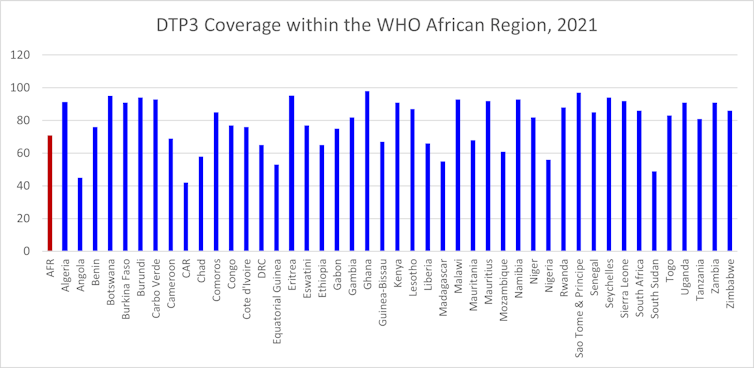

Data Source: WHOThe increased misinformation and disinformation during the pandemic also led to some decline in public trust and confidence in immunisation services. This has significantly affected vaccine demand.
Charting a way forward
The pandemic provides useful lessons on the importance of continuously strengthening health systems and “crisis-proofing” national routine immunisation programmes.
Covid-19 has been a catalyst for renewed political interest in immunisation programmes. But this must be followed up with regional solidarity to re-prioritise routine immunisation in the national and regional public health agendas.
National governments will have the responsibility to secure and sustain donor funding while increasing domestic financial commitments that will fill the funding gaps for national immunisation programmes. This is in line with the declarations they have endorsed.
But most importantly, there’s a need to intensify demand for vaccines and immunisation programmes. This is critical to build back public confidence and trust in vaccines and immunisation services in a post-Covid world.
Edina Amponsah-Dacosta, Postdoctoral Research Fellow, Vaccines for Africa Initiative, University of Cape Town
This article is republished from The Conversationunder a Creative Commons license.