South Africa’s National Department of Health has pointed to a “chemical agent” as the probable cause behind the tragic deaths of six children in Naledi, Soweto, following a suspected case of food poisoning. This revelation came on Monday after an initial investigation conducted by a team of health and environmental inspectors. While the exact nature of the agent remains undetermined, officials emphasised the urgency of identifying the substance to prevent further harm.
The six children, aged between six and nine, succumbed to illness shortly after consuming snacks purchased from a local tuck shop in Johannesburg’s western township on 6th October. The children were taken to nearby clinics but tragically passed away soon after arrival. Their deaths have ignited widespread concern across the township, and the broader South African public, prompting swift governmental action to understand the cause of the incident.
Foster Mohale, the spokesperson for the National Department of Health, explained that after comprehensive analysis, the investigation team concluded that the deaths were not due to a biological pathogen but rather a chemical contaminant. “After careful analysis, the investigation team concluded that we are dealing with a chemical agent,” Mohale stated. He added that further research is critical to identifying the specific chemical responsible, as this knowledge is essential to mitigate any potential future risks.



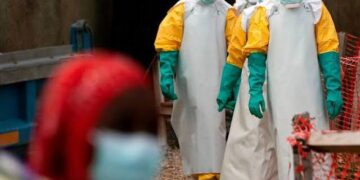
In response to the tragedy, the National Department of Health has deployed a formidable task force comprising 80 personnel. This team includes environmental health inspectors from both the City of Johannesburg and the National Department of Health, as well as law enforcement officers trained by the National Institute for Communicable Diseases (NICD). Their mandate extends beyond determining the chemical agent involved, with a focus on ensuring that public health standards are being met in the township and that the risk of further incidents is minimised.

The scale of the investigation underscores the gravity of the situation. While initial speculation linked the fatalities to foodborne pathogens, the discovery of a chemical agent shifts the focus towards potential contamination or deliberate tampering. However, authorities remain tight-lipped on whether foul play is suspected, pending the conclusion of the probe.
Despite the rapid mobilisation of resources, the cause of this tragic event remains opaque. The lack of a clear explanation continues to fuel anxiety in Soweto, where many families rely on local tuck shops for affordable snacks and meals. These businesses are often small, informal operations that may not always adhere to the stringent food safety regulations applied in more established outlets. This incident could prompt a broader review of food safety practices in such establishments, as well as regulatory oversight to ensure compliance with health standards.
The community in Naledi is in mourning, grappling with the loss of such young lives. Many residents have expressed outrage and disbelief, with local leaders calling for swift justice and more stringent food safety enforcement. Parents in the area are increasingly wary, demanding answers as they fear for the safety of their own children.
South Africa has grappled with foodborne illnesses in the past, most notably the listeriosis outbreak in 2017-2018, which resulted in over 200 deaths and was linked to contaminated processed meat products. However, the current investigation indicates that the cause in this case is markedly different, given the focus on a chemical agent rather than a microbial pathogen.

As the investigation unfolds, authorities have vowed transparency and are encouraging the public to remain vigilant. The National Department of Health is urging anyone who may have consumed products from the implicated tuck shop to seek medical attention if they experience any symptoms of poisoning. In parallel, law enforcement is conducting a forensic examination of the premises and interviewing witnesses, with the goal of tracing the origin of the contaminated foodstuffs.
Until more definitive results are available, the community of Soweto remains on edge. The broader South African public is also watching closely, awaiting further announcements from health officials. While the government has responded decisively, the questions surrounding the deaths of the six children remain largely unanswered, leaving an atmosphere of grief and uncertainty.