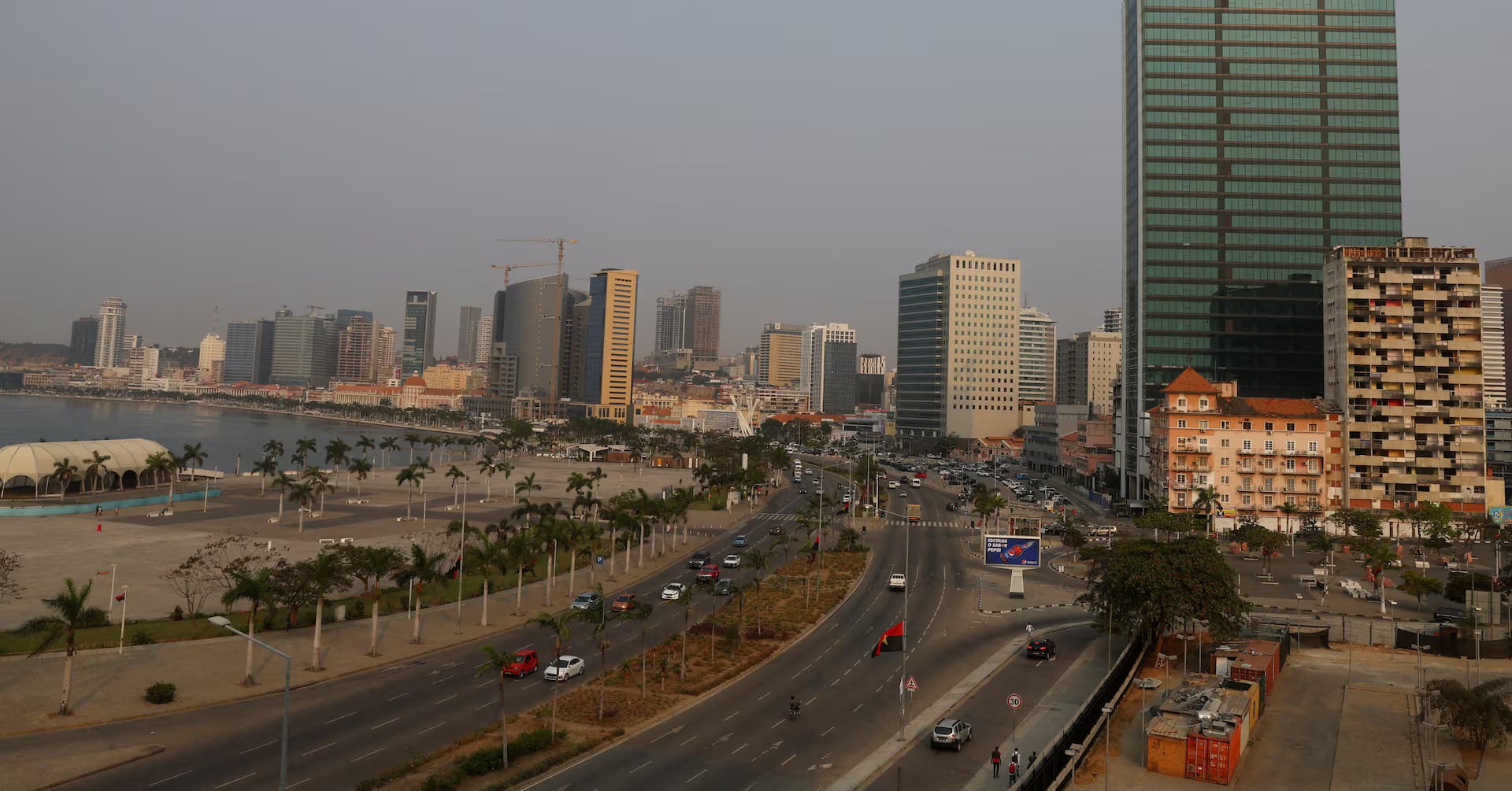
The Angolan government has extended its existing $1 billion debt facility with JPMorgan for a further three years while also securing an additional $500 million in financing, according to a statement released by the Ministry of Finance on Tuesday.
The new agreement replaces the original one-year Total Return Swap contract signed in 2024 and is reported to carry an interest rate within 8 percent, compared to the previous rate which stood just below 9 percent. This extension marks a significant move by the Southern African oil producer to stabilise its financial outlook while maintaining investor confidence amid fluctuating global market conditions.
Angola initially entered into the derivative arrangement with JPMorgan as part of a broader strategy to manage its sovereign liabilities without resorting to new Eurobond issuances at a time when international borrowing costs were elevated. The transaction was backed by $1.9 billion in Angolan government bonds used as collateral. In April 2025, JPMorgan issued a margin call that required Angola to post an additional $200 million in collateral after bond prices fell due to market volatility triggered by new United States trade tariffs. The ministry later confirmed that the additional collateral was recovered following a rebound in bond prices.



Following the announcement of the renewed facility, Angola’s 2048 Eurobond traded one cent higher at 86.97 cents on the dollar, reflecting a positive market reaction. Analysts noted that the transaction signals resilience in Angola’s financial strategy and a continued commitment to maintaining macroeconomic stability. “News of a three-year transaction and an additional $500 million of financing will be well received by the market,” said Samir Gadio, Head of Africa Strategy at Standard Chartered in London.

Angola’s debt-to-GDP ratio stood at approximately 70 percent in 2024, and finance ministry officials have argued that international investors often overestimate the country’s credit risk relative to its demonstrated ability to meet debt obligations. The government has increasingly pursued non-traditional financial instruments to diversify its debt portfolio, reflecting a broader trend among African economies seeking to exercise greater agency in global capital markets.
Several other African nations including Senegal, Gabon and Cameroon have recently adopted alternative financing models such as private placements and off-screen debt instruments to strengthen fiscal resilience and manage repayment schedules more effectively. These mechanisms represent a pragmatic shift in the way African countries engage with international finance, allowing them to negotiate from positions that reflect their evolving macroeconomic realities rather than externally imposed assessments.
Angola’s Ministry of Finance indicated that it intends to issue new seven and ten-year domestic bonds denominated in both local and foreign currencies, as part of a broader strategy to deepen domestic capital markets and reduce exposure to foreign currency risks.
This development underscores a growing pattern of African nations reshaping financial partnerships through mechanisms that emphasise sovereignty, fiscal prudence and long-term sustainability. In doing so, Angola continues to recalibrate its engagement with global lenders in ways that challenge conventional narratives about African debt management.