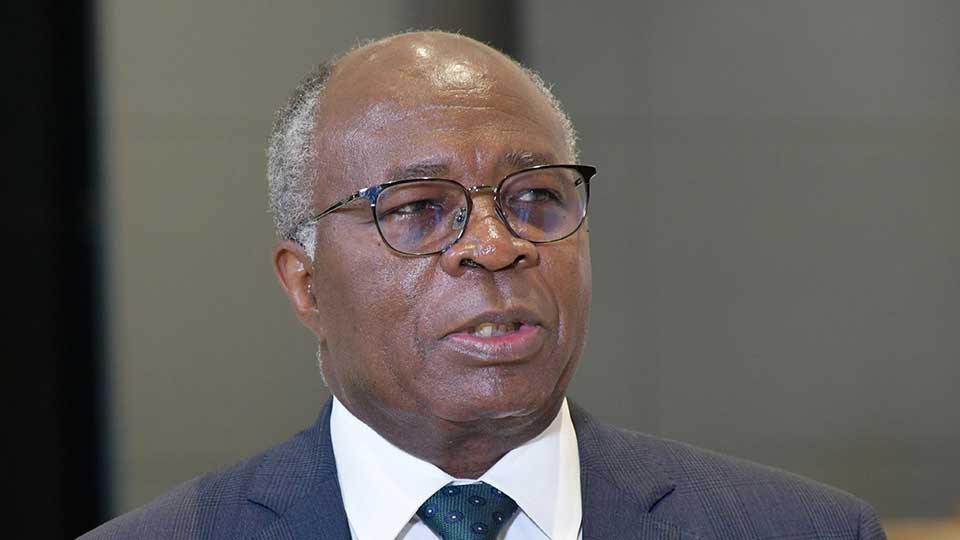
Zambia’s Minister of Finance and National Planning, Situmbeko Musokotwane, has formally requested parliamentary approval for a supplementary budget amounting to 26.3 billion kwacha, approximately 1.4 billion United States dollars, in a move that reflects shifting fiscal pressures and evolving national priorities within the 2026 financial year. According to reporting by Zambian state news, the proposed adjustment is intended to respond to both domestic economic demands and external shocks affecting the Southern African nation.
The supplementary allocation represents a recalibration of Zambia’s broader fiscal framework, which initially projected national expenditure at over 253 billion kwacha for 2026, as outlined by the Zambian Parliament. Musokotwane indicated that the additional spending would be financed through a combination of anticipated revenue inflows and expenditure realignments, suggesting an attempt to maintain macroeconomic balance while addressing immediate socio economic needs.
A significant proportion of the proposed funds, approximately 28 percent, is earmarked for the agriculture sector. This allocation is directed toward strengthening strategic food reserves and supporting small scale and commercial farmers. The emphasis on agriculture reflects Zambia’s ongoing prioritisation of food security and rural livelihoods, particularly in the context of climate variability and regional supply chain pressures that continue to affect Southern Africa.




A further 29 percent of the supplementary budget is designated for loans and investments. This includes provisions for public sector wage adjustments that have exceeded earlier projections, as well as efforts to settle domestic arrears. These measures point to the government’s attempt to stabilise internal financial obligations while maintaining public service delivery capacity.
Additional allocations target social protection mechanisms, including cash transfer programmes aimed at vulnerable populations, alongside funding for the Electoral Commission in preparation for the national elections scheduled for August. Resources are also directed to the Ministry of Mines to enhance mineral exploration and regulatory capacity, underscoring the continued strategic importance of the extractive sector to Zambia’s economy.
The fiscal adjustment comes amid broader economic considerations, including the government’s decision to suspend certain fuel taxes for a period of three months. This policy, estimated to result in a revenue shortfall of around 200 million dollars, was introduced to mitigate the impact of rising global energy prices linked to geopolitical tensions, including the ongoing conflict involving Iran. The measure illustrates the interconnectedness of global events and domestic economic policy decisions across African economies.
Zambia’s approach to fiscal management, as reflected in the supplementary budget proposal, highlights the balancing act faced by many African governments navigating post pandemic recovery, inflationary pressures, and structural economic transformation. The emphasis on agriculture, social protection, and mineral governance aligns with broader continental priorities articulated within frameworks such as the African Union’s Agenda 2063, which advocates for inclusive growth and sustainable development.
Parliamentary deliberations on the proposal are expected to consider both the immediate necessity of the expenditures and their longer term implications for debt sustainability and fiscal discipline. Zambia, which has been engaged in ongoing debt restructuring efforts in recent years, remains under scrutiny from both domestic stakeholders and international partners regarding its fiscal trajectory.

The proposed supplementary budget therefore represents not only a technical adjustment to public finances but also a reflection of Zambia’s broader socio economic positioning within the Southern African region. It underscores the complexities of governance in a context where economic resilience, social equity, and democratic processes must be addressed simultaneously.