

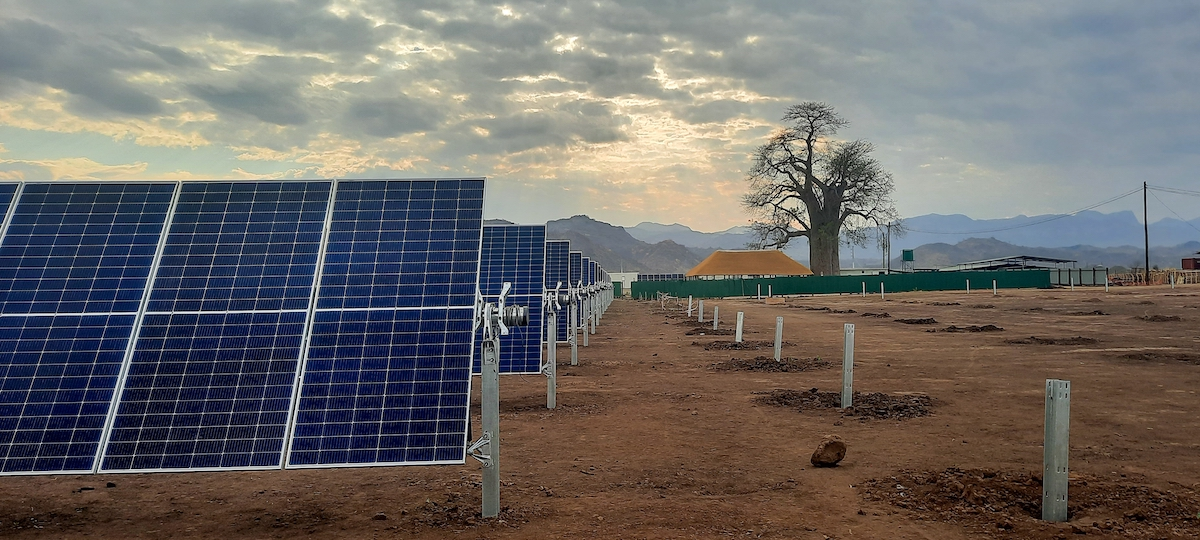
Climate finance reached unprecedented levels in 2025, as investors channelled increasing volumes of capital into large scale infrastructure projects, signalling a shift in global priorities with significant implications for African economies and development pathways.
According to a recent analysis by market intelligence firm Sightline Climate, 179 climate focused funds collectively raised approximately 92 billion US dollars during the year. This represents a substantial increase compared with 2024 and reflects a broader consolidation of climate related capital across global markets. While the headline figure suggests strong momentum, underlying investment patterns reveal a more cautious and commercially driven phase of the energy transition.
A defining feature of the 2025 landscape is the growing dominance of infrastructure oriented funds. These vehicles accounted for more than 70 billion US dollars in capital raised, reflecting a strong investor preference for projects that deploy established technologies such as solar and wind generation, battery storage systems, and transmission networks. Such investments are generally perceived as offering more predictable returns, particularly in a global environment characterised by economic uncertainty and evolving policy frameworks.



This shift is partly driven by structural changes in electricity consumption. The rapid expansion of artificial intelligence, cloud computing, and data intensive industries has significantly increased demand for reliable power systems. As a result, there is renewed urgency around expanding generation capacity and modernising grid infrastructure. These dynamics are reflected in assessments by the International Energy Agency, which highlight how digitalisation and industrial transformation are reshaping global energy demand patterns and reinforcing the need for accelerated infrastructure investment.
In contrast, venture capital funding for early stage climate technologies has experienced a contraction. Funds targeting emerging innovations raised just over 10 billion US dollars in 2025, representing a decline from the previous year. This downturn reflects a degree of caution among investors, many of whom are still awaiting returns from earlier investments made during periods of heightened enthusiasm for climate technology. In some cases, venture firms are facing constraints in raising new capital, resulting in reduced activity and slower deployment of funding into experimental solutions.
The rebalancing of capital flows suggests that the climate technology sector is entering a more mature phase. Areas such as advanced geothermal energy, hydrogen based fuels, and sustainable aviation technologies are witnessing consolidation, with larger and better capitalised firms playing an increasingly prominent role. While this may improve efficiency and support the scaling of viable technologies, it also introduces concerns regarding market concentration and the potential marginalisation of smaller innovators.
For African economies, these developments present both opportunities and challenges that require careful navigation. On one hand, the prioritisation of infrastructure aligns closely with the continent’s pressing need for expanded energy access, industrialisation, and economic resilience. According to the African Development Bank, a significant proportion of the population across sub Saharan Africa continues to face limited or no access to electricity, highlighting the scale of investment required to achieve inclusive growth.
Large scale investments in renewable energy and grid systems have the potential to accelerate electrification, support regional integration, and reduce reliance on fossil fuels. Several Southern African countries have already begun to position themselves as destinations for such investment, leveraging natural resources, policy reforms, and regional cooperation frameworks. In this context, infrastructure focused climate finance may contribute to broader developmental objectives, including job creation and industrial diversification.

At the same time, reduced funding for early stage innovation raises important questions about the future of African participation in global climate technology development. Sectors such as green steel, low carbon cement, and sustainable transport remain underdeveloped, yet they are central to long term decarbonisation and economic transformation. These industries often depend on emerging technologies that require sustained investment over extended periods, making them particularly vulnerable to shifts in investor sentiment.
African policymakers, development finance institutions, and private sector actors are increasingly seeking to address these challenges through blended finance mechanisms and targeted policy interventions. Initiatives supported by organisations such as the United Nations Environment Programme Finance Initiative aim to mobilise capital while mitigating risks associated with investment in frontier markets. Such approaches are intended to bridge the gap between infrastructure deployment and innovation, ensuring that both immediate and long term priorities are addressed.
The broader trajectory of climate finance reflects a dual reality. On one level, record investment volumes indicate sustained global recognition of the urgency of climate action and the economic opportunities associated with the transition to low carbon systems. On another, the concentration of capital in lower risk assets highlights ongoing structural challenges in financing innovation, particularly in regions where market conditions are perceived as less predictable.
Within an African context, this moment underscores the importance of shaping climate finance in ways that reflect local priorities, knowledge systems, and development aspirations. Rather than adopting a singular narrative centred on external investment flows, there is increasing emphasis on regional agency, collaboration, and the integration of social and economic considerations into climate strategies.
As global investment patterns continue to evolve, the extent to which African perspectives are embedded in climate finance frameworks will remain a critical determinant of long term outcomes. The current phase presents an opportunity to accelerate infrastructure development while also reinforcing the foundations for innovation, ensuring that the transition to a low carbon future is both inclusive and sustainable.


