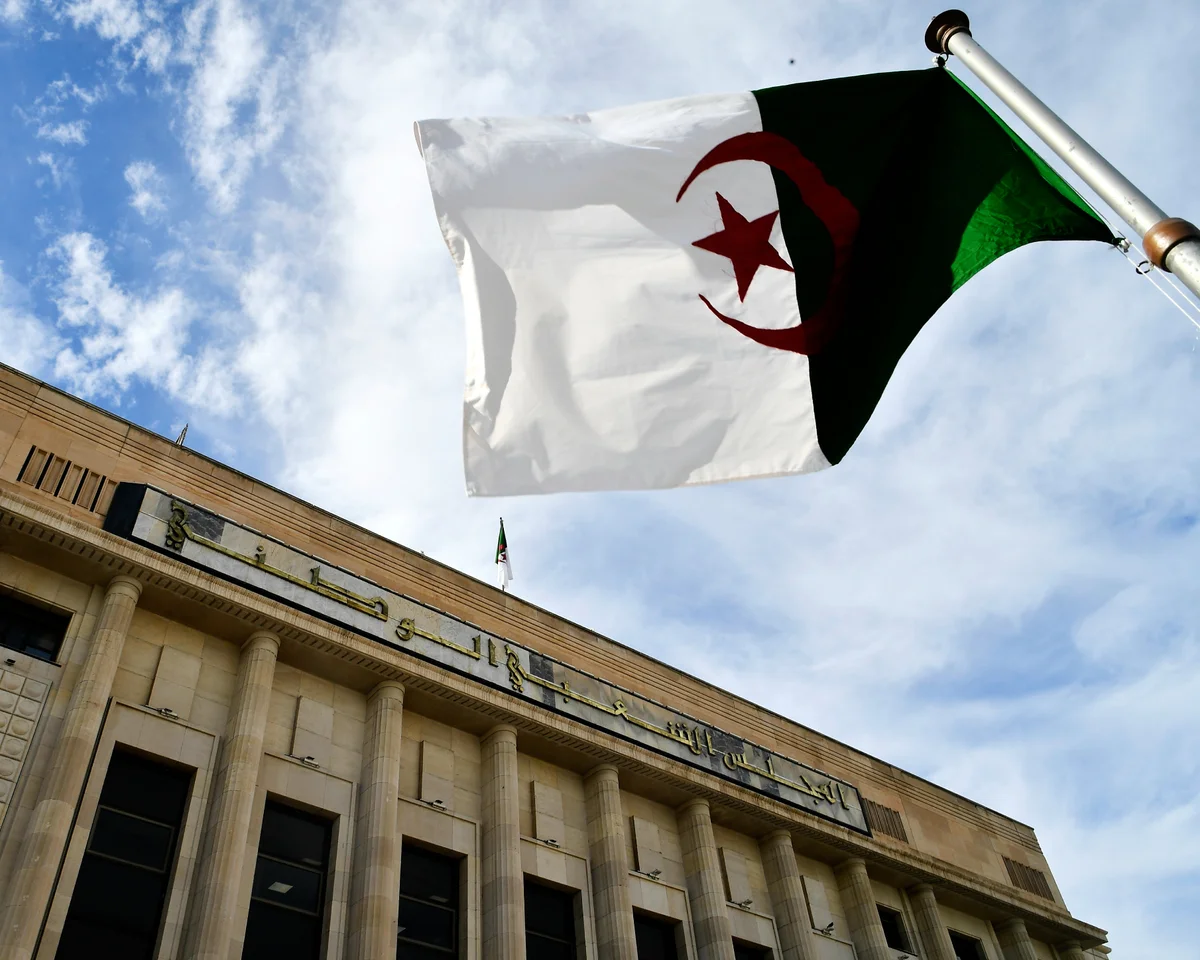
Algeria’s National People’s Assembly has unanimously approved a landmark bill that formally designates France’s colonisation of the North African nation from 1830 to 1962 as a crime, marking a significant shift in the country’s legal and historical positioning on its colonial past.
The 27-article law, reported by the Algerian Press Service (APS), establishes France’s legal responsibility for colonial-era violations and outlines mechanisms for seeking an official apology and reparations. It identifies a range of offences committed during the 132-year occupation, including extrajudicial killings, torture, nuclear testing in the Sahara, and the extensive extraction of natural resources. The legislation asserts Algeria’s right to full and equitable compensation for both moral and material damages resulting from these actions.
Speaker of the National Assembly Brahim Boughali described the initiative as a “moral and historical duty” aimed at restoring dignity and truth for generations of Algerians who endured colonisation. The bill, first drafted in May 2025 by a cross-party parliamentary commission, had been under discussion since March. It reflects long-standing demands among Algerian lawmakers, historians, and civil society for France to acknowledge its colonial conduct formally and to take tangible steps toward reconciliation.



Although proposals of this nature date back to 1984, political sensitivities and diplomatic pressures had repeatedly stalled progress. Renewed momentum followed a controversial 2005 French law requiring schools to teach what it termed the “positive role” of colonialism — legislation widely condemned across Africa and internationally. By 2021, over 100 members of Algeria’s parliament had endorsed a motion to restrict bilateral agreements with France until it recognised its colonial abuses.

The law cites specific atrocities such as the 1845 Dahra Massacre, when hundreds of Algerians were killed after being trapped in caves by French forces. It also references France’s nuclear tests conducted between 1960 and 1966 in the Algerian Sahara, which exposed thousands of residents and soldiers to radioactive contamination — the effects of which remain evident in persistent health and environmental consequences across the region.
France has yet to issue an official response to the parliamentary decision. President Emmanuel Macron, in 2021, described the colonisation of Algeria as a “crime against humanity,” but refrained from offering a formal apology or reparations. The new Algerian law may place further strain on Franco-Algerian relations, which have deteriorated over recent years due to disagreements on migration, visa restrictions, and France’s support for Morocco regarding Western Sahara.
President Abdelmadjid Tebboune has reiterated that open and direct dialogue with France remains essential for genuine reconciliation, emphasising that mutual respect and recognition of historical truths are foundational to rebuilding trust.
The passing of this legislation underscores a broader continental movement among African nations to reframe historical narratives through their own perspectives. By articulating colonialism as a violation of human rights rather than as a civilising mission, Algeria’s stance aligns with a wider African intellectual tradition seeking to reclaim historical agency and foster a more balanced global understanding of colonial legacies.