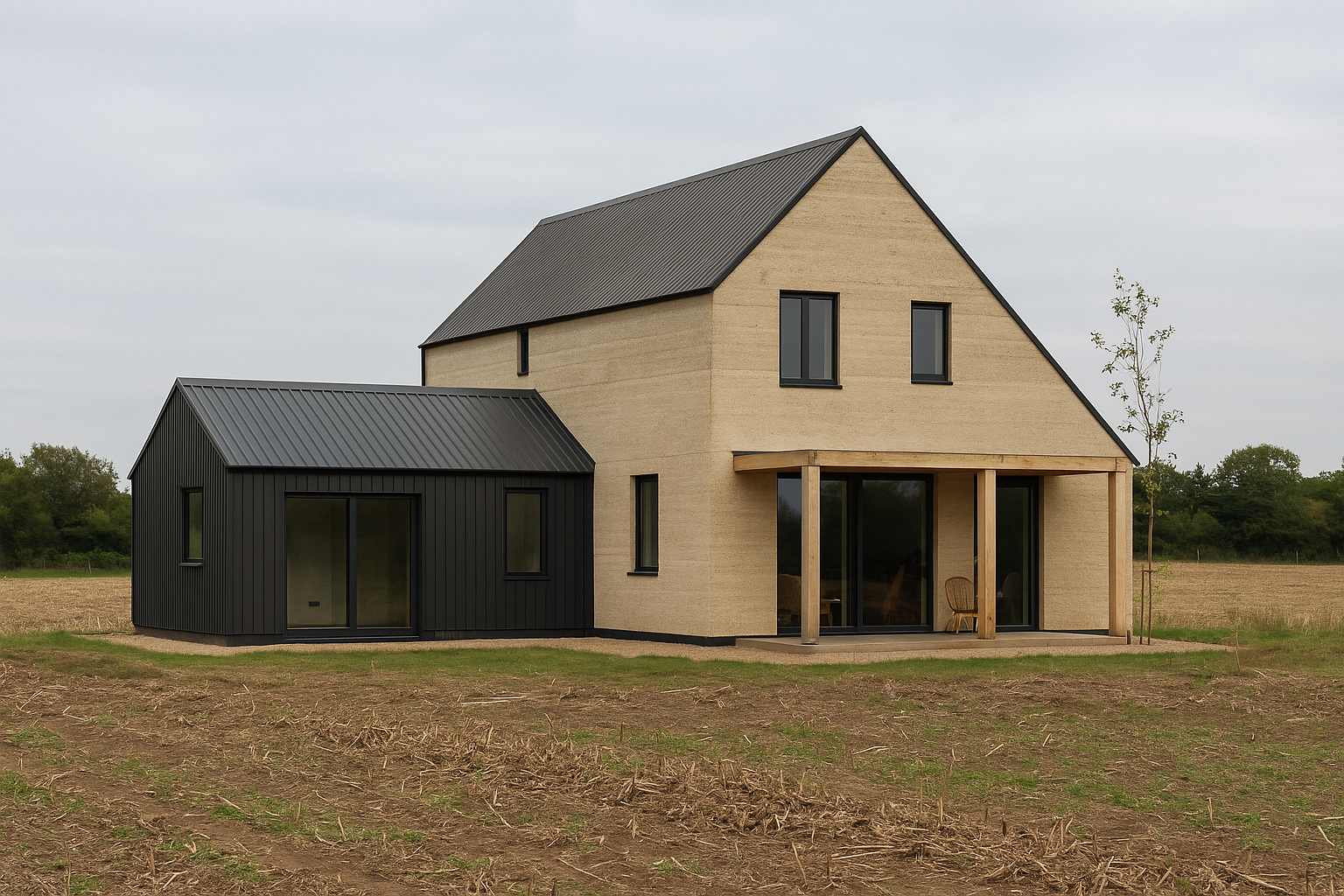
Recent discussions with African High Commissions in London revealed a growing appetite for bold, locally grounded solutions to the continent’s infrastructure challenges. One subject that repeatedly surfaced was the role of sustainable building materials in unlocking affordable housing at scale. And one material in particular stood out: hempcrete.
For too long, hempcrete has sat at the edge of policy and investment thinking in Africa, relegated to a niche innovation due to outdated stigma and regulatory ambiguity. But what if that perception is holding us back from a game-changing material? Hempcrete, made from the inner core of industrial hemp and mixed with a lime binder, offers not only strong environmental credentials but a viable pathway to climate-smart, scalable construction. It is carbon-negative, thermally efficient, fire-resistant, and non-toxic. This rare combination makes it a natural candidate for affordable housing in energy-scarce, climate-vulnerable regions.
And yet, it is not a flawless solution. Hempcrete is typically non-structural and requires supporting frames. In some climates, its curing process can be slow and moisture sensitivity must be managed. It also faces cost challenges due to limited processing infrastructure across the continent. Acknowledging these trade-offs is essential. But when compared to the environmental toll, inefficiency, and soaring cost of traditional materials like concrete and steel, hempcrete still offers a compelling edge. It becomes even more attractive when used in hybrid systems or as part of a wider portfolio of low-carbon technologies.




Currently, Africa’s housing deficit exceeds 50 million units and grows by approximately four million each year. Traditional building systems are falling behind, both economically and ecologically. To bridge this gap, Africa needs not just faster construction but smarter construction. That includes exploring materials that fit our climate zones, rural economies, and development aspirations.
Some governments are already taking steps forward. Zimbabwe has legalised industrial hemp, issued cultivation licenses, and signalled its recognition of the material’s potential across multiple sectors. But in much of the continent, the legal and institutional environment remains unclear. Industrial hemp is still conflated with cannabis, resulting in legal grey zones that stall both innovation and investment.
This is not simply a cultural problem. It is a strategic one. Researchers Junior, Adukeye and Gana note in a 2023 peer-reviewed study:

“In the realm of construction, hemp fibre proves invaluable in the creation of sustainable building materials such as hempcrete, offering ecological and economic benefits that African nations can harness, provided they overcome lingering cultural and legal stigmas.”
(Junior, A. A., Adukeye, E., & Gana, D. 2023. Unlocking the Socioeconomic Advantages of Cannabis Sativa L. Legalization in African Countries: An In-Depth Review)
The challenge is not with the material itself. The problem lies in our hesitation to explore and embrace it.
There is a vital role for the business and investment community to play in shifting this narrative. Early-stage capital often avoids unfamiliar technologies. But in this case, the risk lies less in the product and more in the lack of clear frameworks. With coordinated engagement between public and private sectors, hempcrete can be tested, certified, and scaled through transparent pilot schemes. These programmes would demonstrate measurable returns in terms of cost efficiency, energy performance, and build time.
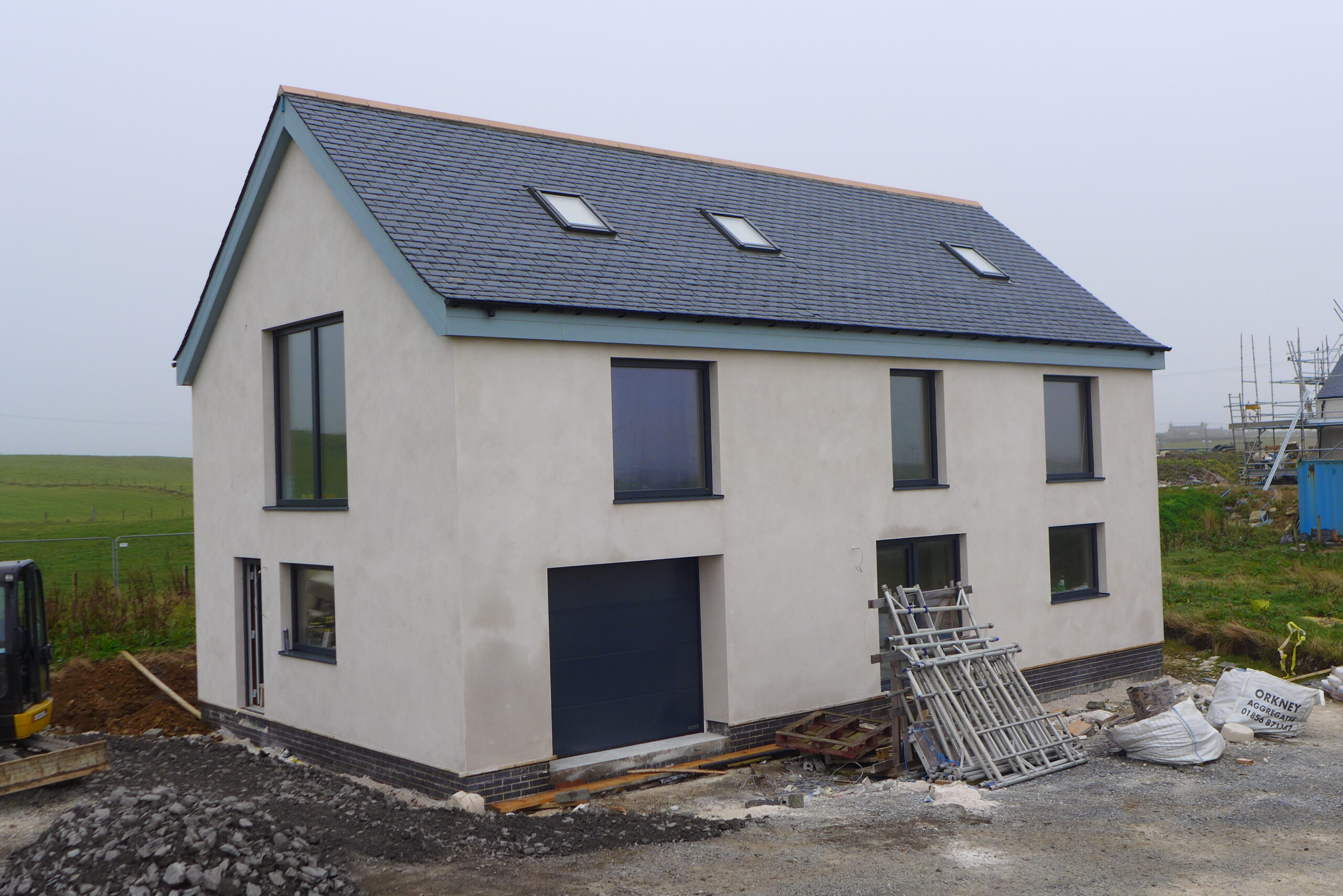
It is equally important to position hempcrete within a broader industrial strategy. Hemp is not just a building material. Its byproducts span textiles, insulation, biodegradable plastics, animal bedding, and even packaging. A well-designed industrial hemp sector can boost rural employment, attract processing investments, and integrate into regional trade frameworks like the AfCFTA. This is not simply a housing issue. It is an opportunity for green industrialisation.
It would be unrealistic, however, to suggest that hempcrete alone will close Africa’s housing gap. Other innovations are emerging across the continent. 3D-printed concrete, compressed earth blocks, and recycled plastic bricks each have merit. But hempcrete stands out for its versatility, agrarian linkage, and low embodied carbon footprint.
Of course, innovation does not happen in a vacuum. Construction markets across Africa remain heavily influenced by cement and steel industries, legacy contractors, and policy inertia. This resistance is not necessarily rooted in facts but often in legacy relationships and narrow procurement rules.
There is an urgent need to ask whether our current building codes reflect modern sustainability goals. Are policymakers collaborating across ministries of agriculture, housing, and trade to support dual-use crops like hemp? Are misconceptions delaying meaningful investment? Are we waiting for international endorsement before building locally with evidence and purpose?
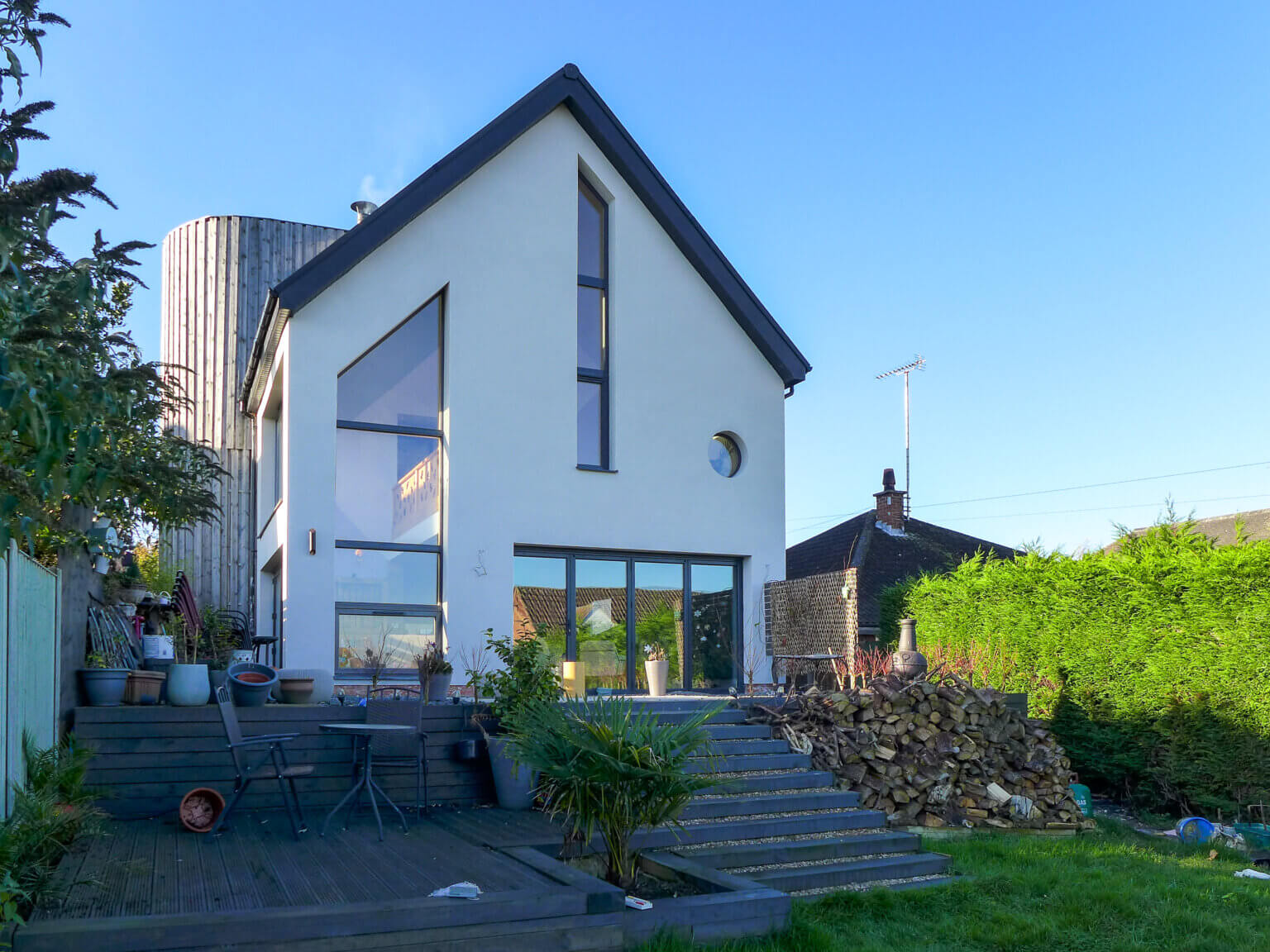
Community engagement is also critical. People must be empowered with information. Awareness campaigns and demonstration projects should prioritise the perspectives of those who will live in hempcrete homes. New materials cannot succeed without social acceptance and trust. Housing is not just technical infrastructure. It is a social contract.
Policymakers should lead by providing regulatory clarity. Industrial hemp must be legally and publicly differentiated from psychoactive cannabis. Certification pathways for hemp-based materials need to be created and standardised. Municipalities should collaborate with industry and academic institutions to launch fast-track pilot builds. These can act as learning labs for sustainable construction, yielding essential data and community feedback.
Strategic investment is also key. Public-private partnerships, infrastructure funds, and sovereign green bonds can channel capital into processing hubs, supply chains, and innovation clusters. Where risks exist, development finance institutions should step in to provide guarantees and catalyse private interest.
Regional economic bodies must not be passive observers. Under the African Continental Free Trade Area, construction materials and agricultural inputs should flow across borders without unnecessary friction. Shared frameworks for industrial hemp could become a flagship for green value chain development and innovation leadership.

The future of construction in Africa does not belong solely to cement and steel. It belongs to ideas that are adaptive, circular, and inclusive. The continent already possesses the land, the climate, and the labour to scale hempcrete. What it needs now is coordination, bold leadership, and the courage to disrupt conventional assumptions.
In the face of a growing housing crisis and rising urbanisation, Africa cannot afford to treat innovation as a luxury. Hempcrete is not the only answer. But it is one that deserves a serious seat at the table. The more we delay, the more we miss out on the opportunity to build for tomorrow using the resources we already have today.
Written by Farai Ian Muvuti, the Chief Executive Officer of The Southern African Times, 2023 winner of the Young Entrepreneur of the Year award by the South African Chamber of Commerce UK, an advisor on the board of the Africa Chamber of Commerce, and a contributor to Arise News, Al Jazeera, and the BBC.