Friday, May 1, 2026
  • Login
The Southern African Times
  • Home
  • Southern Africa
  • Business
    • African Start ups
    • African Continental Free Trade Area
  • Technology
    • Lifestyle
      • Health
      • Culture
      • Food and Drink
      • Entertainment
  • Opinion
  • Sports
  • SAT Jobs
    • Events
  • About Us
    • Advertise with Us
    • Contact Us
No Result
View All Result
  • Home
  • Southern Africa
  • Business
    • African Start ups
    • African Continental Free Trade Area
  • Technology
    • Lifestyle
      • Health
      • Culture
      • Food and Drink
      • Entertainment
  • Opinion
  • Sports
  • SAT Jobs
    • Events
  • About Us
    • Advertise with Us
    • Contact Us
No Result
View All Result
The Southern African Times
No Result
View All Result
Home Opinion

Africa’s food processing sector holds the key to a food-secure and prosperous continent

by SAT Reporter
August 27, 2024
in Opinion
0
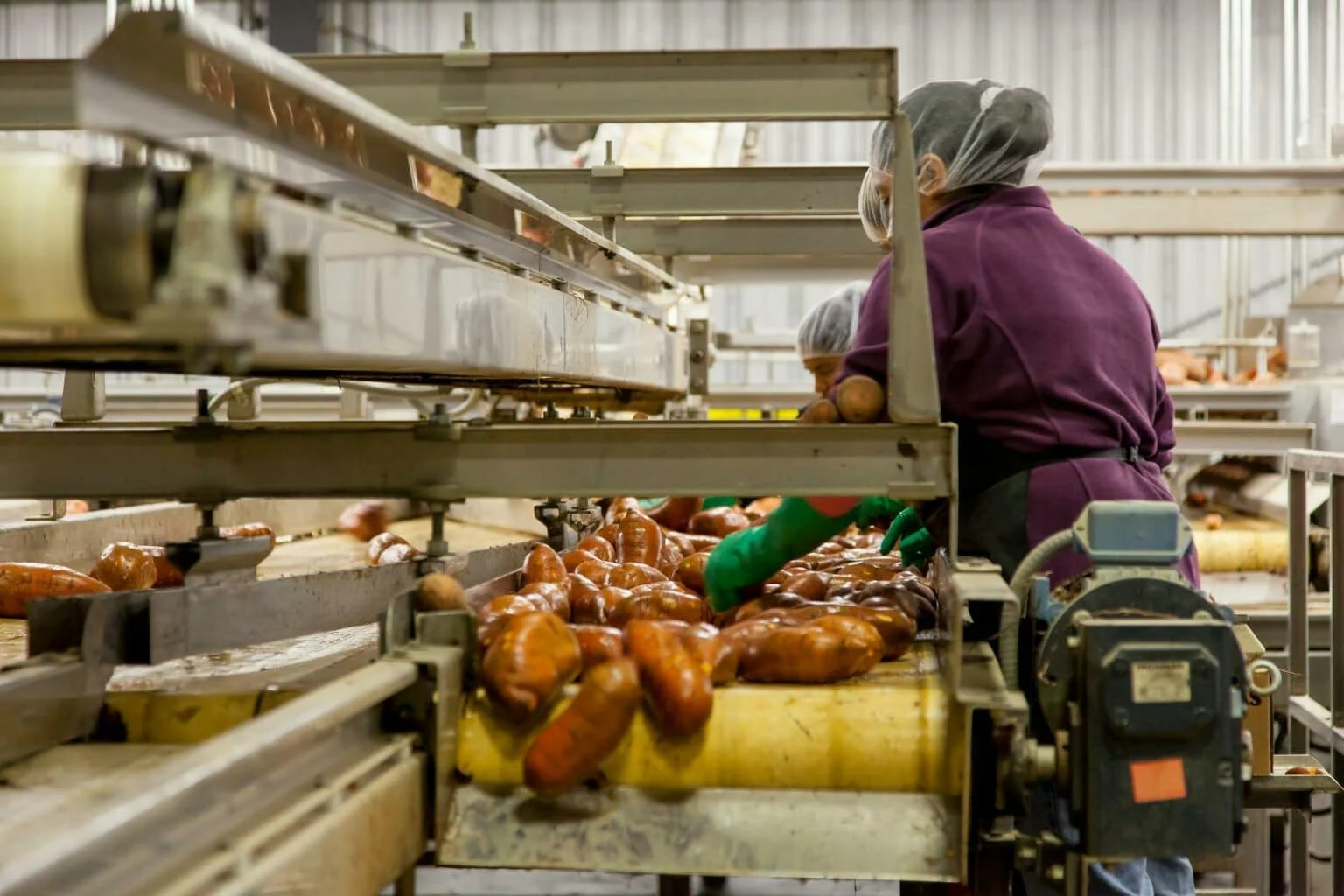
Africa’s food processing sector holds the key to a food-secure and prosperous continent

From millet, teff and sorghum to cassava, cowpea and sweetpotato, Africa is home to a diverse range of nutritional, hardy and versatile crops with the potential to be used to make everything from baby food to bread and even beer.

Yet, the ability to fully take advantage of indigenous and locally adapted crops to meet growing demand for convenient and long-lasting products is held back by the continent’s underdeveloped food processing sector.

This reality confronted me during a visit to a rural village in Zambia where I stumbled across a shelf stacked with Chinese-produced biscuits. Traveling tens of thousands of miles to arrive in this remote farming community, this humble packet of biscuits is emblematic of a continent that remains overly reliant on costly food imports.

As the new CEO of Partners in Food Solutions (PFS), a nonprofit that works to support Africa’s growing food processing sector with the skills and expertise it needs, I believe unlocking this potential can release vital economic benefits, a wider range of nutritious foods and a reduced reliance on food imports.

Africa’s population is growing and urbanizing at the same time that the devastating impacts of climate change are disrupting food security and livelihoods. This means the demands on Africa’s food systems to provide sufficient food and jobs while catering to changing food preferences are steadily increasing.

However, Africa’s food processing sector is still lagging behind. This is fuelling an already high reliance on food importation and in the process, forgoing much-needed economic benefits such as job creation, upskilling and market growth.

Currently, Africa spends upwards of $60 billion a year on food imports. This money could otherwise be invested in boosting domestic production at a time when the continent’s food systems are facing mounting pressures. Access to expertise, increased investments and crop diversification are key to facilitating the transition to more local food processing across Africa.

We can achieve this by first ensuring access to the right support for food processing companies. The chance to use and learn from world-leading expertise can support sustainable food systems while helping businesses and entrepreneurs grow.

For example, when Zambian food processing company COMACO was struggling to achieve 80 per cent extraction of grade A polished rice from paddy rice, PFS connected them to an expert rice milling volunteer from Swiss-owned multinational Bühler, who helped the company troubleshoot the issue and identify solutions.

This kind of technical support can help food processing companies in Africa attain international food safety and quality certifications, increase their processing capacities, extend the shelf life of their products and more. It also creates a ripple effect that benefits smallholder farmers by creating greater demand for raw ingredients.

Secondly, we can drive economic development by investing in the necessary infrastructure for a thriving food processing sector. This includes equipment and machinery as well as training and market access.

Africa is home to the world’s youngest population and by 2035, will have the world’s largest workforce, yet there are not enough jobs available and many young people are turning away from agricultural careers. An innovative and profitable food processing sector can provide an appealing option for the continent’s growing youth population.

Lastly, the diverse crops available across Africa can meet the demands of an urbanizing population with changing food preferences.

Africa spends significantly on imports such as grains, often used for flour to meet demands for food products such as bread. In 2021, Uganda imported nearly $100 million worth of wheat, for example.

Rather than imported foods or crops, the continent’s food processors can instead be supported to leverage traditional African crops. Cereals such as sorghum and millet are nutritious and suited for processing into healthy and easily accessible food products to address Africa’s nutritional challenges.

Additionally, these crops are more resilient to droughts and extreme weather events, which have become more frequent across the continent. Leveraging international partnerships through initiatives such as the US State Department’s Vision for Adapted Crops and Soils (VACS) can help achieve crop diversification goals. VACS aims to build a resilient food system grounded in diverse, nutritious, and climate-adapted crops such as sorghum, millet, Bambara groundnut and yams.

Facing the dual challenge of a rapidly growing population amid escalating climate change, Africa’s historic reliance on food imports must be reduced. Supporting a homegrown food processing industry would not only unlock economic growth but also empower farmers and provide a food secure and resilient future for millions of young Africans.

To fully benefit from these opportunities, more investment and recognition of the food processing gap in Africa’s existing food system is urgently needed. Governments and businesses in the agrifood sector must champion collaboration to accelerate food systems transformation in Africa.

Written By Mandla Nkomo, CEO of Partners in Food Solutions (PFS)

Tags: africaAgriculturecassavaClimate Resiliencecrop diversificationeconomic growthfood processingfood securityfood systems transformationInfrastructureInvestmentJob Creationlocal cropsMandla NkomomilletPartners in Food Solutionssorghum
Previous Post

The advancement of women in technology: Overcoming under-representation and igniting gender diversity

Next Post

Stephen Koseff Sells 95,000 Investec Shares as Stock Prices Surge

SAT Reporter

Related Posts

South Africa Cannot Turn on Africa and Expect to Stand Tall
Opinion

South Africa Cannot Turn on Africa and Expect to Stand Tall

by SAT Reporter
April 27, 2026
Feeding the Future: Why AI and Agriculture Must Work Together
Opinion

Feeding the Future: Why AI and Agriculture Must Work Together

by Sonny Iroche
April 19, 2026
Julius Malema Sentenced to Five Years in Firearm discharge case
Opinion

Malema’s Sentence: A Test of South Africa’s Rule of Law in a Polarized Age

by Kundai Vambe
April 18, 2026
Zambia’s Copper and the Social Cost of Extraction Deals
The Editorial Board

Zambia’s Copper and the Social Cost of Extraction Deals

by Nothando Ndlovu
April 17, 2026
Op-Ed by Yemi Osinbajo, Former Vice President of Nigeria: Africa Is Losing the Iran War
Opinion

Op-Ed by Yemi Osinbajo, Former Vice President of Nigeria: Africa Is Losing the Iran War

by SAT Reporter
April 13, 2026
Next Post
Stephen Koseff Sells 95,000 Investec Shares as Stock Prices Surge

Stephen Koseff Sells 95,000 Investec Shares as Stock Prices Surge

Browse by Category

  • Africa AI
  • African Continental Free Trade Area
  • African Debt
  • African Start ups
  • Agriculture
  • AI Africa
  • Algeria
  • All News
  • Analysis
  • Angola
  • Arts / Culture
  • Asia
  • Botswana
  • BOTSWANA
  • BREAKING NEWS
  • BRICS
  • Burkina Faso
  • Burundi
  • Business
  • Business
  • Business Wire
  • Cameroon
  • Central Africa
  • Chad
  • China
  • Climate Change
  • Climate Changev
  • Community
  • Congo Republic
  • Conservation
  • Côte d’Ivoire
  • COVID 19
  • CRYPTOCURRENCY
  • Culture
  • Democratic Republic of Congo
  • Diplomacy
  • Eastern Africa
  • Economic Development
  • Economy
  • Education
  • Egypt
  • Elections 2024
  • Energy
  • Entertainment
  • Environment
  • Eritrea
  • Ethiopia
  • Europe
  • Fashion
  • Feature
  • Finance
  • Financial Inclusion
  • Food
  • Food and Drink
  • Foods
  • GABON
  • Ghana
  • Global
  • Global Africa
  • Guinea
  • Health
  • Immigration
  • in Southern Africa
  • International news
  • International Relations
  • Investment
  • Ivory Coast
  • Just In
  • Kenya
  • Lesotho
  • Libya
  • Life Style
  • Lifestyle
  • Literature
  • Malawi
  • Malawi
  • Mali
  • Markets
  • Mauritius
  • Middle East
  • Mining in Africa
  • Morocco
  • Mozambique
  • Namibia
  • niger
  • Niger
  • Nigeria
  • North Africa
  • North-Eastern Africa
  • Obituaries
  • Obituary
  • Opinion
  • PARTNER CONTENT
  • Politics
  • Property
  • Racism
  • Rwanda
  • Rwanda
  • SADC
  • SAT Interviews
  • SAT Investigation
  • SAT Jobs
  • Saudi Arabia
  • Senegal
  • Seychelles
  • Somaliland
  • South Africa
  • South Sudan
  • Sports
  • Startup Africa
  • STOCK EXCHANGE
  • Sudan
  • Sustainability
  • Sustainablity
  • Tanzania
  • Technology
  • Telecommunications
  • The Editorial Board
  • The Power Of She
  • Togo
  • Trade
  • Travel
  • Travel
  • Tunisia
  • Uganda
  • Uncategorized
  • Wealth
  • West Africa
  • World
  • World
  • ZAMBIA
  • Zambia
  • ZIMBABWE
  • Zimbabwe

Browse by Tags

#NewsUpdate #SouthAfrica #SouthernAfricanTimes #TheSouthernAfricanTimes AfCFTA africa African Continental Free Trade Area African development African Development Bank African economies African economy African Union Agriculture Angola Botswana Business China Climate change Cyril Ramaphosa Economic Development economic growth energy transition fiscal policy industrialisation Inflation Infrastructure Infrastructure Development International relations Investment Kenya Mozambique Namibia news Nigeria Regional Integration renewable energy Rwanda SADC South Africa Southern Africa sustainable development Tanzania United States Zambia Zimbabwe
ADVERTISEMENT

WHO WE ARE

The Southern African Times is a regional bloc digital newspaper that covers Southern African and world news. The paper also gives a nuanced analysis on news and covers a wide range of reporting which include sports, entertainment, foreign affairs, arts and culture.

Welcome Back!

Login to your account below

Forgotten Password?

Retrieve your password

Please enter your username or email address to reset your password.

Log In

  • Home
  • Southern Africa
  • Business
    • African Start ups
    • African Continental Free Trade Area
  • Technology
    • Lifestyle
      • Health
      • Culture
      • Food and Drink
      • Entertainment
  • Opinion
  • Sports
  • SAT Jobs
    • Events
  • About Us
    • Advertise with Us
    • Contact Us
Are you sure want to unlock this post?
Unlock left : 0
Are you sure want to cancel subscription?