A senior United Nations official has underscored the importance of nuclear energy as a catalyst for Africa’s energy transition, highlighting the continent’s role as a significant global supplier of uranium amidst its own stark energy deficit.
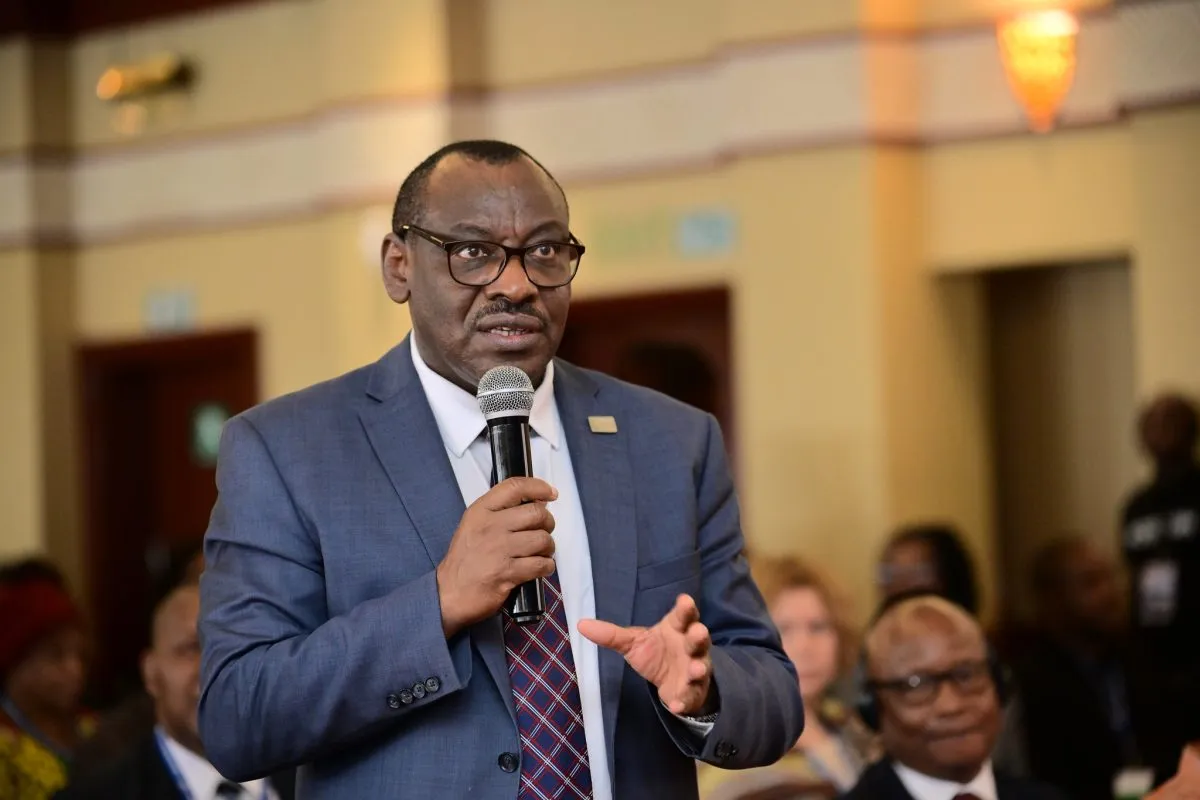
Claver Gatete, Executive Secretary of the United Nations Economic Commission for Africa (UNECA), speaking at a ministerial round table in Kigali on Monday, stressed that nuclear energy offers Africa a pragmatic pathway to bridge its persistent power gaps while reducing carbon emissions. Gatete noted that Africa accounts for substantial uranium production, with Namibia and Niger among the world’s top five uranium exporters.
“Africa is a key player in uranium production. It’s crucial to bridge the energy gap and meet rising demands with clean, low-emission nuclear technology,” Gatete said.



Despite its natural resource wealth, Africa remains the least electrified continent globally, with approximately 600 million people still without access to reliable electricity. Gatete argued that nuclear technology, already advancing rapidly in other regions, could be a “game-changer” for addressing this imbalance while aligning with broader climate action commitments.
Global trends in nuclear energy underscore the potential for such a transformation. There are currently 64 reactors under construction across 15 countries worldwide, according to the International Atomic Energy Agency (IAEA). Gatete observed a growing willingness among African nations to explore nuclear options, describing the trend as both “promising” and “necessary” for meeting the continent’s rising energy demands.
Rwanda’s Minister of Infrastructure, Jimmy Gasore, echoed these sentiments, emphasising the importance of regional and international cooperation to achieve financially sustainable nuclear solutions. “Rwanda is committed to nuclear energy development, and we believe a sustainable and financially viable nuclear energy strategy is essential for securing Africa’s energy future,” Gasore said.

The ministerial conference, titled Financing Africa’s Nuclear Energy Future, convened high-ranking government officials, private sector leaders, and energy specialists from across Africa and beyond. Discussions centred on the significant capital required to develop nuclear projects and how African nations might attract such investments.
Africa’s energy conundrum remains a subject of global concern. The continent continues to grapple with severe infrastructure deficits, unreliable power grids, and skyrocketing electricity demand driven by population growth and industrial ambitions. While renewable energy sources, such as solar and wind, have received substantial investment, nuclear energy provides a consistent and scalable alternative for baseload power generation, mitigating the intermittency challenges of renewables.
Moreover, Gatete’s remarks resonate against the backdrop of increasing global recognition of nuclear energy’s potential to provide low-emission power. With countries like Egypt and South Africa leading nuclear projects on the continent, there is a burgeoning precedent for wider adoption. Rwanda, alongside other nations including Ghana and Nigeria, has already entered into partnerships with international nuclear agencies to explore the feasibility of nuclear power plants.
The Kigali discussions reflect a pivotal moment for Africa’s energy strategy—balancing immediate development imperatives with long-term environmental sustainability. For a continent endowed with the uranium required to fuel reactors globally, leveraging this advantage to address domestic needs marks both a strategic and moral imperative.
As African nations court investors and forge partnerships, challenges such as public acceptance, safety concerns, and stringent financing requirements will need to be addressed to ensure nuclear energy’s viability. The outcomes of the Kigali conference indicate a growing consensus among leaders and stakeholders that the continent can no longer afford to be sidelined in the global nuclear discourse.
For Africa, nuclear energy may indeed serve as more than a “game-changer”; it could form the bedrock of a sustainable and electrified future.