
Monday, May 25, 2026
  • Login
The Southern African Times
  • Home
  • Southern Africa
  • Business
    • African Start ups
    • African Continental Free Trade Area
  • Technology
    • Lifestyle
      • Health
      • Culture
      • Food and Drink
      • Entertainment
  • Opinion
  • Sports
  • SAT Jobs
    • Events
  • About Us
    • Advertise with Us
    • Contact Us
No Result
View All Result
  • Home
  • Southern Africa
  • Business
    • African Start ups
    • African Continental Free Trade Area
  • Technology
    • Lifestyle
      • Health
      • Culture
      • Food and Drink
      • Entertainment
  • Opinion
  • Sports
  • SAT Jobs
    • Events
  • About Us
    • Advertise with Us
    • Contact Us
No Result
View All Result
The Southern African Times
No Result
View All Result
Home Environment

Wildlife Deaths at Zimbabwe’s Lake Chivero Blamed on Cyanobacteria Contamination

by SAT Reporter
December 18, 2024
in Environment
0
Wildlife Deaths at Zimbabwe’s Lake Chivero Blamed on Cyanobacteria Contamination

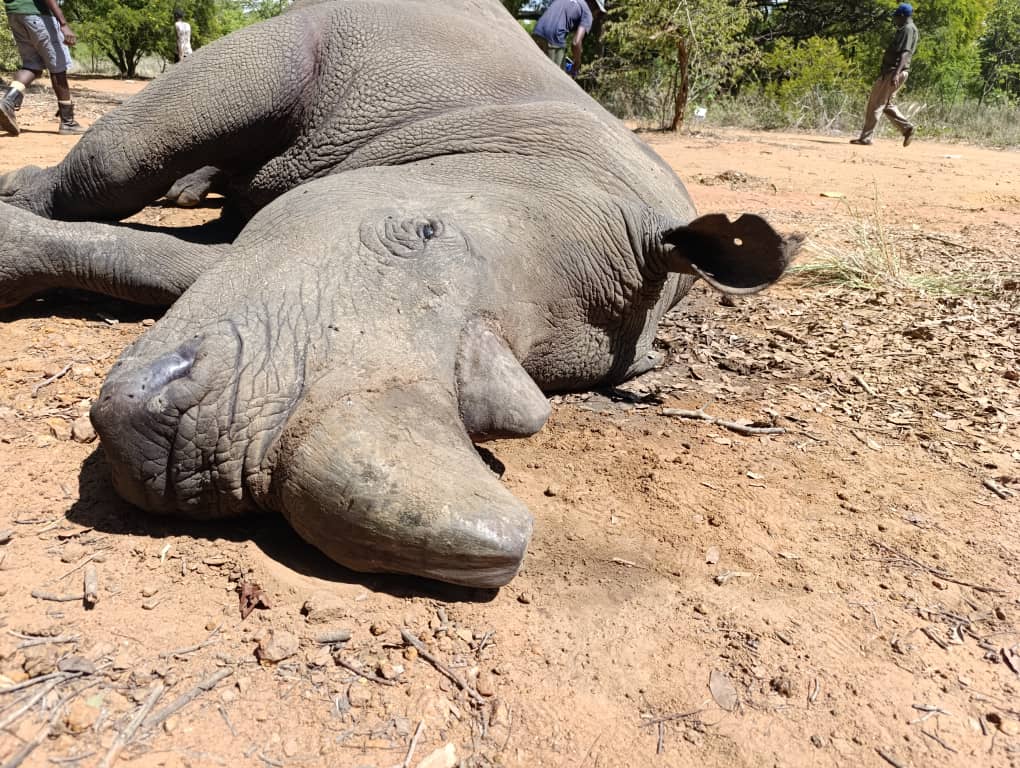
The deaths of several animals at Lake Chivero Recreational Park, a protected sanctuary near Harare, have raised alarming concerns over the escalating threat of water contamination in Zimbabwe. The Zimbabwe Parks and Wildlife Management Authority (ZimParks) reported that cyanobacteria—commonly known as blue-green algae—has poisoned critical water sources within the park, leading to a tragic loss of wildlife.

Among the casualties are four rhinoceroses, three zebras, four wildebeests, and four fish eagles. Despite intervention attempts by veterinarians from the University of Zimbabwe and ZimParks’ Veterinary and Capture Unit, the contamination has continued to impact other wildlife and nearby domesticated animals.

Lake Chivero, located approximately 35 km west of Harare, is one of Zimbabwe’s Ramsar-listed wetlands—a designation acknowledging its ecological significance under the Ramsar Convention. Yet, it now stands as a harrowing emblem of environmental degradation. Experts attribute the contamination to a lethal confluence of untreated sewage, industrial effluents, and pollution from mining operations, all of which have become endemic in Zimbabwe’s freshwater systems.


ADVERTISEMENT

Goodlife Mudzingwa, the national coordinator for the Community Water Alliance (CWA), a local water and environmental advocacy organisation, called for a decisive national response to address the crisis. Speaking at a press conference in Harare, Mudzingwa lamented the negligence towards water resources. “We need a national and comprehensive environmental impact assessment on the effects of sewer treatment plants and mining on pollution. A water security footprint scan is required as a matter of urgency,” he stated.

ZimParks, while acknowledging their efforts to mitigate the disaster, conceded that interventions had fallen short. Salt licks and supplementary feeding stations were introduced to dissuade animals from drinking contaminated water, and artificial watering points were established with clean water sources. However, these measures proved insufficient. The instinctive draw of the lake—an enduring water body in the region—proved fatal for many animals.

Lake Chivero, once a pristine haven for biodiversity and a lifeline for both wildlife and local communities, has become a cautionary tale. The presence of cyanobacteria in the lake indicates a confluence of organic pollutants, chiefly phosphorus and nitrogen, which fuel the toxic algae’s growth. Such pollutants are often the by-product of untreated sewage discharge and effluent from Zimbabwe’s struggling municipal infrastructure.

This crisis also underscores a broader systemic issue: Zimbabwe’s water infrastructure remains woefully underfunded and poorly managed. Urban growth has overwhelmed antiquated sewage treatment facilities, resulting in an unchecked flow of waste into lakes and rivers. Industrial and mining sectors, though vital to the economy, have exacerbated the problem through unregulated waste disposal.

For a nation whose tourism sector is underpinned by wildlife and natural wonders, the stakes are exceptionally high. Zimbabwe, which boasts Africa’s fourth-largest population of rhinoceroses, faces not only ecological devastation but also a potential blow to its tourism-dependent economy.

The Community Water Alliance’s call for a national environmental impact study resonates with growing public frustrations over the government’s inaction in protecting water systems. A coordinated, multi-sectoral approach will be necessary to restore water security and prevent further wildlife loss.

Lake Chivero’s plight serves as a stark reminder that environmental degradation is not merely an ecological issue but one of national survival. The wildlife deaths, beyond their tragic symbolism, are a clarion call for urgent policy reform and sustainable stewardship of Zimbabwe’s natural resources.

Tags: Community Water Alliancecyanobacteria contaminationecological degradationenvironmental crisisLake ChiveroRamsar sitesrhino deathssewage treatment failuretoxic algaewater securitywildlife deathsZimbabwe tourismZimbabwe water pollutionZimParks
Previous Post

Fitch Projects Decline in Angola’s Public Debt-to-GDP Ratio

Next Post

Africa Leverages Nuclear Energy to Address Power Shortages, Says UN Official

SAT Reporter

Related Posts

Waste Colonialism and the Burden of Electronic Waste in Africa
Environment

Waste Colonialism and the Burden of Electronic Waste in Africa

by SAT Reporter
April 10, 2026
South Africa Reports 16 Percent Decrease in Rhino Poaching in 2025
Environment

South Africa Reports 16 Percent Decrease in Rhino Poaching in 2025

by SAT Reporter
February 11, 2026
One in Five Mammal Species Face Extinction in Southern Africa, Regional Report Warns
Environment

One in Five Mammal Species Face Extinction in Southern Africa, Regional Report Warns

by SAT Reporter
January 22, 2026
Investing in Nature Could Unlock Trillions for the Global Economy, Says UN Report
Environment

Investing in Nature Could Unlock Trillions for the Global Economy, Says UN Report

by SAT Reporter
December 10, 2025
Mont-aux-Sources Weather Station Boosts Climate and Water Monitoring
Environment

Mont-aux-Sources Weather Station Boosts Climate and Water Monitoring

by SAT Reporter
December 2, 2025
Next Post
Africa Leverages Nuclear Energy to Address Power Shortages, Says UN Official

Africa Leverages Nuclear Energy to Address Power Shortages, Says UN Official

Browse by Category

  • Africa AI
  • African Continental Free Trade Area
  • African Debt
  • African Start ups
  • Agriculture
  • AI Africa
  • Algeria
  • All News
  • Analysis
  • Angola
  • Arts / Culture
  • Asia
  • Botswana
  • BOTSWANA
  • BREAKING NEWS
  • BRICS
  • Burkina Faso
  • Burundi
  • Business
  • Business
  • Business Wire
  • Cameroon
  • Central Africa
  • Chad
  • China
  • Climate Change
  • Climate Changev
  • Community
  • Congo Republic
  • Conservation
  • Côte d’Ivoire
  • COVID 19
  • CRYPTOCURRENCY
  • Culture
  • Democratic Republic of Congo
  • Diplomacy
  • Eastern Africa
  • Economic Development
  • Economy
  • Education
  • Egypt
  • Elections 2024
  • Energy
  • Entertainment
  • Environment
  • Eritrea
  • Ethiopia
  • Europe
  • Fashion
  • Feature
  • Finance
  • Financial Inclusion
  • Food
  • Food and Drink
  • Foods
  • GABON
  • Ghana
  • Global
  • Global Africa
  • Guinea
  • Health
  • Humanitarian Aid
  • Immigration
  • in Southern Africa
  • International news
  • International Relations
  • Investment
  • Ivory Coast
  • Just In
  • Kenya
  • Lesotho
  • Libya
  • Life Style
  • Lifestyle
  • Literature
  • Malawi
  • Malawi
  • Mali
  • Markets
  • Mauritius
  • Middle East
  • Mining in Africa
  • Morocco
  • Mozambique
  • Namibia
  • Niger
  • niger
  • Nigeria
  • North Africa
  • North-Eastern Africa
  • Obituaries
  • Obituary
  • Opinion
  • PARTNER CONTENT
  • Politics
  • Property
  • Racism
  • Rwanda
  • Rwanda
  • SADC
  • SAT Interviews
  • SAT Investigation
  • SAT Jobs
  • Saudi Arabia
  • Senegal
  • Seychelles
  • Somaliland
  • South Africa
  • South Sudan
  • Sports
  • Startup Africa
  • STOCK EXCHANGE
  • Sudan
  • Sustainability
  • Sustainablity
  • Tanzania
  • Technology
  • Telecommunications
  • The Editorial Board
  • The Power Of She
  • Togo
  • Trade
  • Travel
  • Travel
  • Tunisia
  • Uganda
  • Uncategorized
  • Wealth
  • West Africa
  • World
  • World
  • ZAMBIA
  • Zambia
  • ZIMBABWE
  • Zimbabwe

Browse by Tags

#NewsUpdate #SouthAfrica #SouthernAfricanTimes #TheSouthernAfricanTimes AfCFTA africa African Continental Free Trade Area African development African Development Bank African economies African economy African Union Agriculture Angola Botswana China Climate change Cyril Ramaphosa Economic Development economic growth energy transition governance IMF industrialisation Inflation Infrastructure Infrastructure Development International relations Investment Kenya Mozambique Namibia news Nigeria Regional Integration renewable energy Rwanda SADC South Africa Southern Africa sustainable development Tanzania United States Zambia Zimbabwe
ADVERTISEMENT

WHO WE ARE

The Southern African Times is a regional bloc digital newspaper that covers Southern African and world news. The paper also gives a nuanced analysis on news and covers a wide range of reporting which include sports, entertainment, foreign affairs, arts and culture.

Welcome Back!

Login to your account below

Forgotten Password?

Retrieve your password

Please enter your username or email address to reset your password.

Log In
  • Home
  • Southern Africa
  • Business
    • African Start ups
    • African Continental Free Trade Area
  • Technology
    • Lifestyle
      • Health
      • Culture
      • Food and Drink
      • Entertainment
  • Opinion
  • Sports
  • SAT Jobs
    • Events
  • About Us
    • Advertise with Us
    • Contact Us
Not enough quota to unlock this post
Unlock left : 0
Are you sure want to cancel subscription?