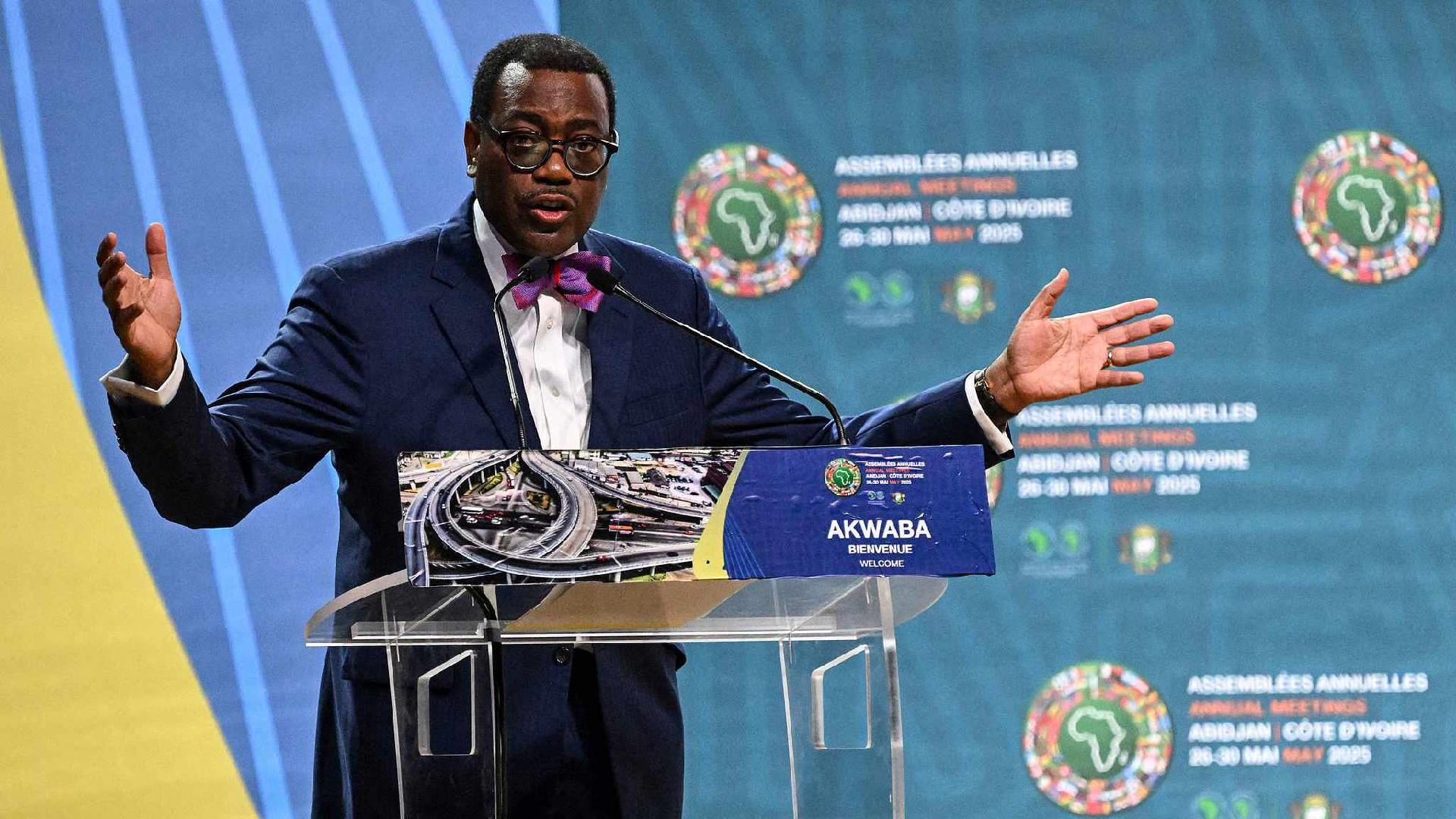
President of the African Development Bank (AfDB), Dr Akinwumi Adesina, has commended the ongoing development of two major infrastructure projects in Tanzania, identifying them as instrumental in bolstering both national and regional connectivity. The projects—the Msalato International Airport and the Dodoma City Outer Ring Road—are being constructed by Chinese firms under the financial backing of the AfDB and in collaboration with Tanzanian government agencies.
During a joint inspection on 14 June alongside President Samia Suluhu Hassan, Dr Adesina underscored the significance of these developments, labelling them “transformational” in terms of their potential to enhance trade, tourism, and economic growth. The visit marks a tangible milestone in Tanzania’s infrastructural ambitions, particularly as the country aims to solidify Dodoma’s role as its administrative and economic hub.
The Msalato International Airport, currently under construction near Dodoma, is being built by a consortium of Chinese engineering firms, supervised by the Tanzania National Roads Agency and the Tanzania Airports Authority. The airport project is situated on a 4,500-hectare site and, once operational, is projected to accommodate up to 1.5 million passengers annually. This would make it Tanzania’s second-largest airport after Kilimanjaro International Airport in terms of passenger capacity.



Speaking on the strategic value of the airport, Dr Adesina described it as a “flagship investment” tailored to reinforce Tanzania’s air transport infrastructure. “Improving air connectivity is not merely about mobility—it is about economic dynamism, tourism capacity, and the facilitation of international trade,” he remarked.
Equally pivotal is the 112.3-kilometre Dodoma City Outer Ring Road project, currently being executed by AVIC International Project Engineering Company and China Civil Engineering Construction Corporation. This dual carriageway is intended to decongest urban traffic in the growing capital city, while simultaneously enhancing logistic efficiencies across central Tanzania.

The infrastructure developments are seen as emblematic of AfDB’s strategic vision for high-quality and resilient infrastructure across the African continent. In his address to a public gathering in Nala, a suburb of Dodoma, Dr Adesina reaffirmed the Bank’s commitment to funding projects that have a demonstrable impact on regional integration and economic inclusivity.
President Samia Suluhu Hassan echoed these sentiments, expressing gratitude for the AfDB’s support and emphasising the long-term socioeconomic benefits of the projects. “These initiatives are not only investments in concrete and steel; they are investments in the future of Tanzanian citizens, in jobs, in mobility, and in our integration into the global economy,” she said.
The two developments illustrate the deepening economic collaboration between Tanzania and China, with the infrastructure efforts aligned with broader objectives under Tanzania’s Vision 2025 and the African Union’s Agenda 2063. Beyond their immediate logistical benefits, these projects are also designed to serve as economic catalysts, attracting further private-sector investment and stimulating regional trade flows.
The AfDB’s involvement in Tanzania is part of a broader financing portfolio that prioritises sustainable infrastructure, green growth, and inclusive economic transformation. As these projects approach key milestones in their construction phases, they are expected to yield lasting developmental dividends not only for Tanzania but also for the wider East African region.