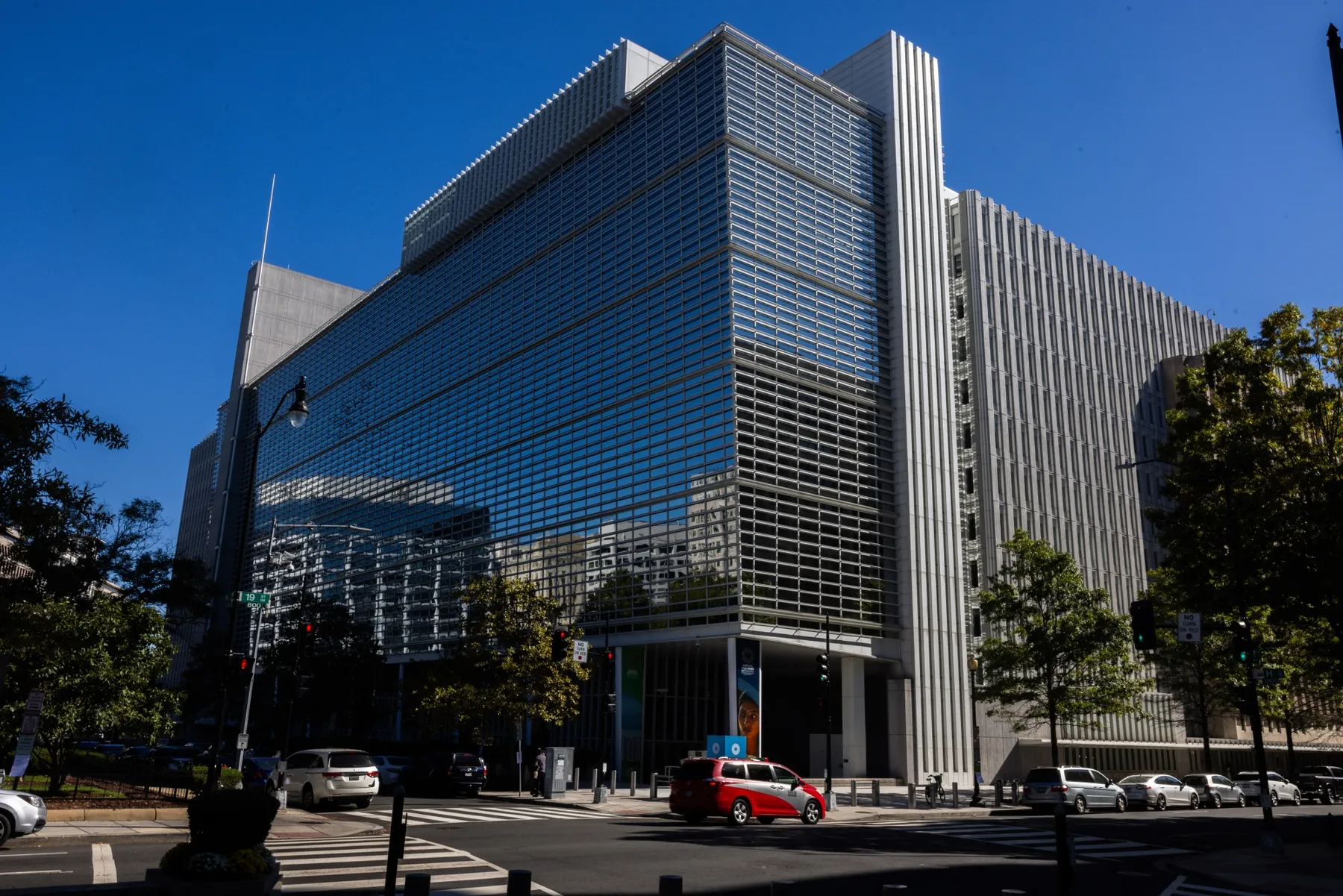
The World Bank has partnered with Amazon to structure a 120 million dollar outcome based bond intended to finance ecological restoration in South Africa’s Eastern Cape, marking one of the most extended tenor instruments of its kind within the institution’s sustainability portfolio.
The bond, issued to institutional investors, ties financial returns partly to the generation of verified carbon credits derived from land rehabilitation activities. Alongside this performance linked component, the instrument carries a fixed annual interest rate of 2.41 percent, reflecting a hybrid structure that seeks to balance predictable returns with environmental outcomes. According to the World Bank, such mechanisms are designed to mobilise private capital into projects that have historically struggled to secure conventional financing.
A central feature of the initiative is the restoration of Spekboom thicket ecosystems in the Eastern Cape. Spekboom, a succulent indigenous to the region, is widely recognised for its capacity to sequester carbon efficiently while improving soil quality and water retention. These ecological attributes have positioned it as a focal species in restoration strategies across semi arid parts of southern Africa. The project is being implemented by Imperative and centres on the rehabilitation of the Albany thicket, an ecosystem spanning approximately 1.7 million hectares, much of which has experienced degradation linked to prolonged overgrazing and land use pressures.



Initial restoration efforts are expected to cover around 10,000 hectares, with a longer term ambition to scale to 50,000 hectares as financing permits. Carbon credits generated through these activities will be certified and registered through the Verra registry, an international standard setter for voluntary carbon markets. Amazon has indicated its intention to purchase a significant share of these credits, thereby providing an anchor demand that underpins the financial viability of the bond.

Financial structuring for the transaction was led by BNP Paribas, with a portion of approximately 25 million dollars allocated upfront to support early stage restoration through a hedging arrangement. This feature aims to mitigate implementation risks and ensure that ecological interventions commence without delay.
The issuance forms part of a broader trajectory within development finance institutions to deploy outcome based instruments that link capital flows to measurable environmental and social indicators. The World Bank reports that it has mobilised close to 945 million dollars through similar structures spanning reforestation, biodiversity conservation and waste reduction initiatives. Such approaches reflect a growing recognition that ecological restoration in regions such as southern Africa requires financing models that align investor incentives with long term environmental stewardship.
While the involvement of multinational corporations such as Amazon underscores the increasing role of private sector actors in climate related financing, the project also raises broader considerations about the governance and distribution of benefits associated with carbon markets in African contexts. Observers note that the success of such initiatives will depend not only on ecological outcomes but also on equitable participation of local communities and transparent benefit sharing mechanisms.
Within a pan African context, the initiative illustrates both the opportunities and complexities associated with integrating global climate finance into locally grounded environmental restoration efforts. It highlights the potential for African ecosystems to play a central role in climate mitigation strategies, while also reinforcing the importance of ensuring that such interventions are shaped by regional priorities, knowledge systems and socio economic realities.