Tuesday, June 23, 2026
  • Login
The Southern African Times
  • Home
  • Southern Africa
  • Business
    • African Start ups
    • African Continental Free Trade Area
  • Technology
    • Lifestyle
      • Health
      • Culture
      • Food and Drink
      • Entertainment
  • Opinion
  • Sports
  • SAT Jobs
    • Events
  • About Us
    • Advertise with Us
    • Contact Us
No Result
View All Result
  • Home
  • Southern Africa
  • Business
    • African Start ups
    • African Continental Free Trade Area
  • Technology
    • Lifestyle
      • Health
      • Culture
      • Food and Drink
      • Entertainment
  • Opinion
  • Sports
  • SAT Jobs
    • Events
  • About Us
    • Advertise with Us
    • Contact Us
No Result
View All Result
The Southern African Times
No Result
View All Result
Home in Southern Africa

UNAIDS Appeals for Reconsideration as United States Moves to Withdraw HIV Funding from South Africa

by Times Reporter
June 23, 2026
in in Southern Africa, South Africa
0
UNAIDS Appeals for Reconsideration as United States Moves to Withdraw HIV Funding from South Africa

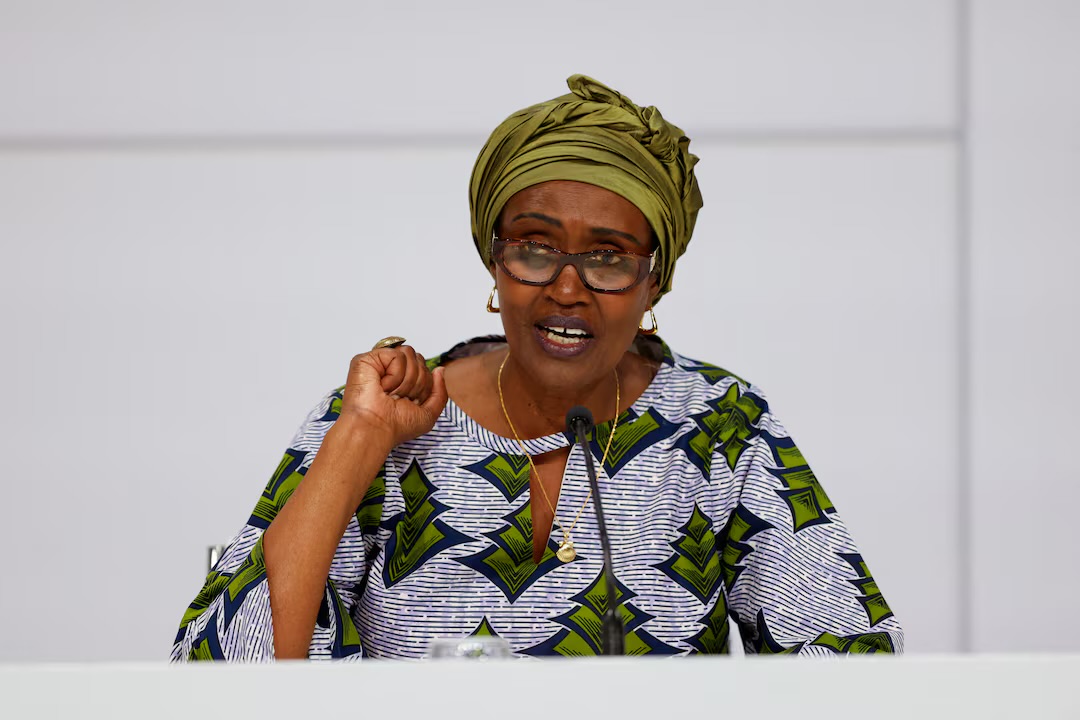
The Executive Director of the Joint United Nations Programme on HIV/AIDS, Winnie Byanyima, has urged the United States administration to reconsider its decision to phase out HIV and AIDS funding for South Africa, warning that an abrupt withdrawal of support could place vulnerable communities at greater risk and undermine decades of progress in the fight against the epidemic.

Speaking ahead of a high level United Nations conference on HIV and AIDS in New York, Byanyima expressed concern over the planned reduction of funding provided through the United States President’s Emergency Plan for AIDS Relief (PEPFAR), a programme that has played a significant role in supporting HIV prevention, testing and treatment efforts across Africa and other regions for more than two decades.

According to the United States State Department, Washington has initiated a phased withdrawal of PEPFAR support in South Africa, arguing that the country possesses the economic capacity and institutional framework necessary to sustain its own public health programmes. The department stated that PEPFAR was never intended to function as a permanent source of funding and described the move as part of a transition towards greater national self reliance.


ADVERTISEMENT

The development comes against the backdrop of increasingly strained diplomatic relations between Pretoria and Washington. Reports published by Semafor suggested that the decision was linked to broader policy disagreements between the two governments, including issues relating to South Africa’s foreign policy positions and domestic economic transformation measures. The United States administration has not publicly detailed all factors informing its decision beyond citing unmet policy expectations.

South Africa remains home to the world’s largest population of people living with HIV. UNAIDS estimates that approximately eight million South Africans are living with the virus. While the South African government finances the overwhelming majority of antiretroviral medicines distributed through the public health system, PEPFAR has historically contributed substantial resources towards health personnel, community outreach programmes, monitoring systems and prevention initiatives. Recent estimates indicate that the programme has accounted for approximately 17 per cent of South Africa’s HIV response funding and has supported the salaries of around 15,000 healthcare workers.

Byanyima cautioned that reductions in international health financing could have consequences extending beyond South Africa. She noted that many countries across Africa continue to face significant public health pressures while simultaneously navigating fiscal constraints, debt servicing obligations and broader development challenges. In such circumstances, sudden funding withdrawals risk disrupting treatment continuity and weakening prevention programmes that have contributed to substantial declines in AIDS related deaths over the past two decades.

The UNAIDS chief emphasised that the global objective of ending AIDS as a public health threat by 2030 remains achievable but requires sustained political commitment and predictable financing. Current UNAIDS figures show that approximately 32.1 million people worldwide are receiving life saving antiretroviral treatment, yet an estimated nine million people still lack access to care. Around 1.2 million new HIV infections were recorded globally during the past year, highlighting the continuing scale of the challenge.

Recent data released by UNAIDS have pointed to worrying trends linked to reductions in development assistance. HIV testing rates in several high burden countries have fallen significantly, while condom distribution and other prevention services have experienced notable declines in some regions. Public health experts warn that interruptions to prevention and treatment programmes could reverse hard won gains and contribute to a rise in new infections if alternative funding mechanisms are not secured.

For many African policymakers, the current debate extends beyond questions of aid. It raises broader issues concerning health sovereignty, sustainable financing and the need for African countries to strengthen domestic health systems capable of withstanding shifts in international political priorities. Across the continent, governments have increasingly sought to expand local financing mechanisms, improve pharmaceutical manufacturing capacity and deepen regional cooperation on public health challenges.

South Africa has already begun exploring pathways to maintain critical HIV services amid the changing funding landscape. Health officials have repeatedly stressed that the country’s treatment programme remains operational, although concerns persist regarding the long term sustainability of certain prevention, outreach and support services that have historically depended on donor funding.

As discussions continue at the United Nations, the debate surrounding South Africa’s HIV response reflects a wider global conversation about responsibility, partnership and resilience. While international assistance has been instrumental in reducing HIV related deaths and expanding access to treatment across Africa, many health experts argue that future progress will depend on a balanced approach that combines domestic investment with sustained international cooperation.

For millions of Africans living with HIV, the outcome of these discussions will be measured not in diplomatic statements but in continued access to treatment, prevention services and healthcare support that remain essential to protecting lives and advancing public health across the continent.

Tags: #PEPFARAfrica HealthAfrican health systemsAIDSAntiretroviral Treatmentdevelopment assistanceDonald Trumpglobal health fundinghealth policyhealthcare fundingHIVHIV PreventionInternational relationsPublic HealthSouth AfricaSouthern AfricaUNAIDSUnited nationsUnited StatesWinnie Byanyima
Previous Post

Egypt Set for US$5bn Scatec Green Energy Investment

Next Post

IMF warns Iran war fallout strains African economies

Times Reporter

Related Posts

Namibia Emerges as a Bright Spot in Famous Brands’ Southern African Growth Story
in Southern Africa

Namibia Emerges as a Bright Spot in Famous Brands’ Southern African Growth Story

by Times Reporter
June 23, 2026
Botswana Positions Itself for Regional Power Trade Through US$100 Million Solar Investment
Botswana

Botswana Positions Itself for Regional Power Trade Through US$100 Million Solar Investment

by Times Reporter
June 22, 2026
Watervlei Memorial Park Set to Redefine Burial Services in Zimbabwe
Zimbabwe

Watervlei Memorial Park Set to Redefine Burial Services in Zimbabwe

by Leo Muzivoreva
June 19, 2026
South Africa’s Zimi Raises R50m for EV Expansion
in Southern Africa

South Africa’s Zimi Raises R50m for EV Expansion

by Times Reporter
June 12, 2026
Albaddad launches $1.9bn New Botswana City project in Gaborone
Botswana

Albaddad launches $1.9bn New Botswana City project in Gaborone

by Times Reporter
June 10, 2026
Next Post
IMF warns Iran war fallout strains African economies

IMF warns Iran war fallout strains African economies

Browse by Category

  • Africa AI
  • African Continental Free Trade Area
  • African Debt
  • African Start ups
  • Agriculture
  • AI Africa
  • Algeria
  • All News
  • Analysis
  • Angola
  • Arts / Culture
  • Asia
  • Botswana
  • BOTSWANA
  • BREAKING NEWS
  • BRICS
  • Burkina Faso
  • Burundi
  • Business
  • Business
  • Business Wire
  • Cameroon
  • Central Africa
  • Chad
  • China
  • Climate Change
  • Climate Changev
  • Community
  • Congo Republic
  • Conservation
  • Côte d’Ivoire
  • COVID 19
  • CRYPTOCURRENCY
  • Culture
  • Democratic Republic of Congo
  • Diplomacy
  • Eastern Africa
  • Economic Development
  • Economy
  • Education
  • Egypt
  • Elections 2024
  • Energy
  • Entertainment
  • Environment
  • Eritrea
  • Ethiopia
  • Europe
  • Fashion
  • Feature
  • Finance
  • Financial Inclusion
  • Food
  • Food and Drink
  • Foods
  • GABON
  • Ghana
  • Global
  • Global Africa
  • Guinea
  • Health
  • Humanitarian Aid
  • Immigration
  • in Southern Africa
  • International news
  • International Relations
  • Investment
  • Ivory Coast
  • Just In
  • Kenya
  • Lesotho
  • Libya
  • Life Style
  • Lifestyle
  • Literature
  • Malawi
  • Malawi
  • Mali
  • Markets
  • Mauritius
  • Middle East
  • Mining in Africa
  • Morocco
  • Mozambique
  • Namibia
  • Niger
  • niger
  • Nigeria
  • North Africa
  • North-Eastern Africa
  • Obituaries
  • Obituary
  • Opinion
  • PARTNER CONTENT
  • Politics
  • Property
  • Racism
  • Rwanda
  • Rwanda
  • SADC
  • SAT Interviews
  • SAT Investigation
  • SAT Jobs
  • Saudi Arabia
  • Senegal
  • Seychelles
  • Somaliland
  • South Africa
  • South Sudan
  • Sports
  • Startup Africa
  • STOCK EXCHANGE
  • Sudan
  • Sustainability
  • Sustainablity
  • Tanzania
  • Technology
  • Telecommunications
  • The Editorial Board
  • The Power Of She
  • Togo
  • Trade
  • Travel
  • Travel
  • Tunisia
  • Uganda
  • Uncategorized
  • Wealth
  • West Africa
  • World
  • World
  • ZAMBIA
  • Zambia
  • ZIMBABWE
  • Zimbabwe

Browse by Tags

#NewsUpdate #SouthAfrica #SouthernAfricanTimes #TheSouthernAfricanTimes AfCFTA africa African Continental Free Trade Area African development African Development Bank African economies African economy African Union Agriculture Angola Botswana China Climate change Cyril Ramaphosa Economic Development economic growth energy transition Ghana governance industrialisation Inflation Infrastructure Infrastructure Development International relations Investment Kenya Mozambique Namibia news Nigeria Regional Integration renewable energy Rwanda SADC South Africa Southern Africa sustainable development Tanzania United States Zambia Zimbabwe
ADVERTISEMENT

WHO WE ARE

The Southern African Times is a regional bloc digital newspaper that covers Southern African and world news. The paper also gives a nuanced analysis on news and covers a wide range of reporting which include sports, entertainment, foreign affairs, arts and culture.

Welcome Back!

Login to your account below

Forgotten Password?

Retrieve your password

Please enter your username or email address to reset your password.

Log In
  • Home
  • Southern Africa
  • Business
    • African Start ups
    • African Continental Free Trade Area
  • Technology
    • Lifestyle
      • Health
      • Culture
      • Food and Drink
      • Entertainment
  • Opinion
  • Sports
  • SAT Jobs
    • Events
  • About Us
    • Advertise with Us
    • Contact Us
Not enough quota to unlock this post
Unlock left : 0
Are you sure want to cancel subscription?