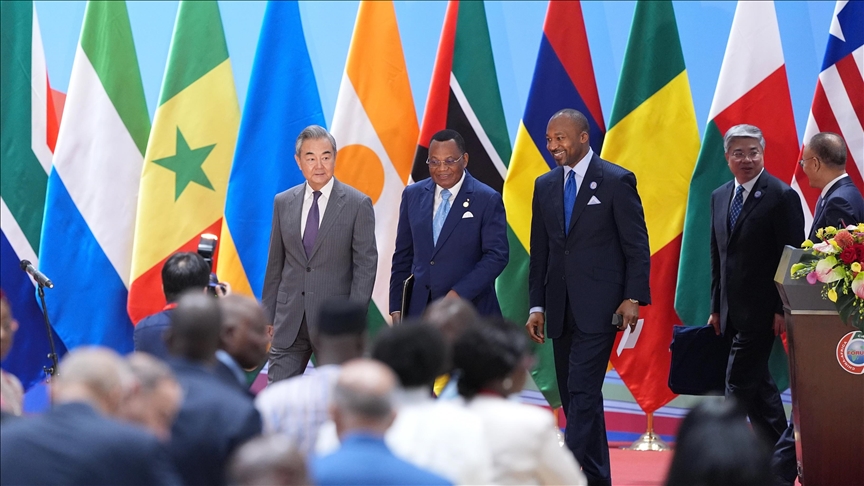
China’s decision to extend zero tariff treatment to imports from 53 African countries from 1 May 2026 is being interpreted across the continent not merely as a trade concession, but as a structural shift in the architecture of Africa’s external economic relations. Developments observed at the Zimbabwe International Trade Fair in Bulawayo, alongside industry responses from South Africa’s agricultural sector, suggest a convergence of opportunity, caution, and long term strategic recalibration.
The policy builds on earlier preferential trade arrangements, expanding duty free access from a subset of least developed countries to nearly the entire continent with diplomatic ties to Beijing. In practical terms, this widens market entry into the world’s second largest economy while reducing price barriers that have historically constrained African exports. It also emerges at a moment when global trade patterns are becoming more fragmented, encouraging African economies to diversify beyond traditional partners.
Recent trade data underscores the scale of the relationship. China has remained Africa’s largest trading partner for more than a decade, with bilateral trade reaching approximately 348 billion US dollars in 2025, reflecting sustained growth and deepening interdependence. Within this context, tariff elimination is likely to accelerate existing flows while reshaping the composition of exports.



Exhibitors at the Bulawayo trade fair articulated both optimism and pragmatism in their assessment of the policy. Sami Kebed, marketing officer for Ethiopia’s Gelila Manufacturing, described the development as “a real relief for African countries to secure more direct access to the Chinese market”, particularly in an environment where “many traditional markets are tightening access through increasingly complex regulations”. He added that the initiative is expected to stimulate export driven growth and employment, noting that “the decision will directly improve our export earnings”, with Ethiopian coffee positioned to gain competitiveness among Chinese consumers.

Such optimism is accompanied by a recognition of market complexity. Lidia Million, general manager of Linu Manufacturing PLC, observed that “there is a massive opportunity, but success requires a deep understanding of Chinese consumer preferences”. Her firm is exploring entry into niche and premium segments, particularly in leather goods, reflecting a broader shift among African producers towards value addition, branding, and product differentiation.
From Southern Africa, Malebo Matlala, founder of the outdoor apparel brand Mokatani, framed the policy as transformative, stating that “accessing a market of China’s scale at an advantageous price point is a rare opportunity”. She added that the measure “levels the playing field, making African made apparel competitive against brands from any other region”. Her remarks point to the potential for small and medium sized enterprises to expand their reach beyond regional markets if supported by appropriate infrastructure and market access strategies.
In the agricultural sector, similar expectations are emerging, albeit with sector specific considerations. Alves Vicente of Mozambique’s Zambezi Valley Development Agency highlighted strong demand conditions, stating that “the demand is huge, and the market is asking for more”, particularly for high value produce such as avocados and lychees. For producers operating on relatively thin margins, tariff removal may provide a decisive price advantage, although it also places greater emphasis on meeting quality standards and ensuring efficient logistics.
In South Africa, the response from the pecan industry illustrates how established export sectors are positioning themselves within this evolving framework. Cobus van Rensburg, general manager of the South African Pecan Nut Producers Association, emphasised the importance of predictability, stating that “it creates a certainty for demand in China because of the lower tariffs”. He further noted that “it adds a lot of security, especially from a supply point of view, as well as from a demand point of view, because it creates a better bond between South Africa and China”.
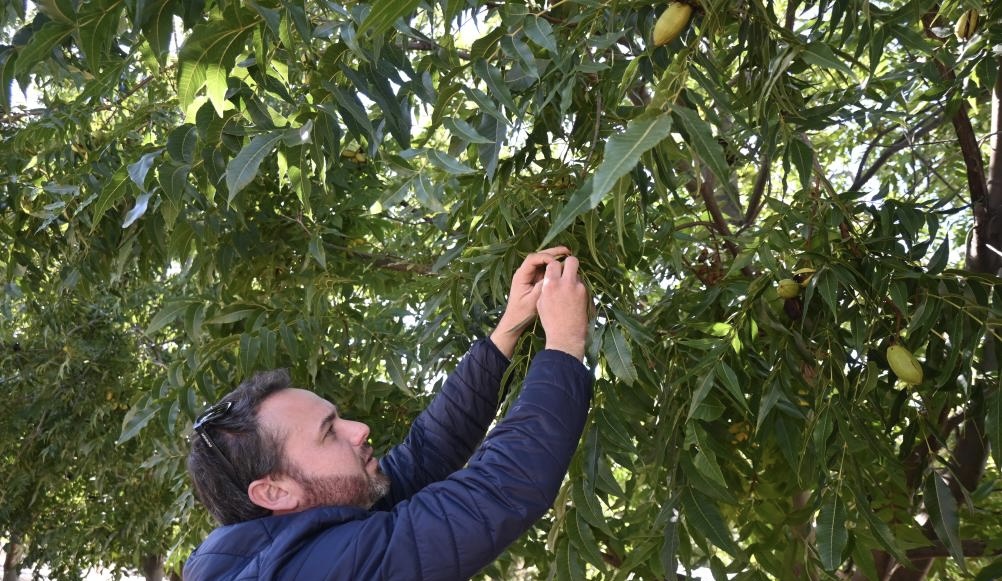
The long term nature of agricultural investment is central to this perspective. As van Rensburg observed, “a tree can live up to 200 years. You are basically planting trees for the next generation”. In this context, policy stability is not simply advantageous but essential, shaping decisions that will influence production capacity and export volumes for decades. South Africa exported nearly 47,600 tonnes of in shell pecans to China in 2025, representing the vast majority of its output, with demand in China rising significantly in recent years.
Beyond individual sectors, the zero tariff initiative is contributing to a broader reconfiguration of Africa’s trade orientation. In Zimbabwe, emerging agritech enterprises are viewing the policy as a potential gateway to technological collaboration, particularly in cold chain logistics, greenhouse systems, and digital agriculture. These developments suggest a gradual shift from commodity based exports towards more integrated and technology enabled value chains.

At the same time, the policy highlights persistent structural challenges. Market access is shaped not only by tariffs but also by compliance requirements, including phytosanitary standards, certification processes, and traceability systems. African exporters must also address logistical constraints, from port infrastructure to transportation networks, which can erode the competitive advantages gained through tariff reductions. In addition, building brand recognition in a vast and diverse market such as China requires sustained investment in marketing and distribution.

There are also strategic considerations at the continental level. While expanded access to the Chinese market offers clear benefits, it raises questions about concentration risk and the need for balanced trade portfolios. The policy’s full potential is therefore likely to be realised only if it is integrated into wider frameworks of economic transformation, including regional industrialisation and the strengthening of intra African trade through mechanisms such as the African Continental Free Trade Area.
From a pan African perspective, the significance of the zero tariff policy lies in its capacity to reshape narratives around Africa’s role in global trade. Rather than being positioned primarily as a supplier of raw materials, the continent is increasingly asserting its capacity to produce diversified and value added goods. The voices emerging from Bulawayo reflect this shift, emphasising agency, adaptation, and strategic engagement rather than dependency.

China’s zero tariff initiative thus represents both an opportunity and a test. It provides a framework within which African economies can expand exports, deepen industrial linkages, and reposition themselves within global value chains. At the same time, it requires coordinated responses from governments, industry bodies, and enterprises to address structural constraints and maximise long term benefits.
The perspectives of industry leaders across sectors reveal a cautious but grounded optimism. As van Rensburg noted, the policy is “definitely a win win situation”, while Kebed, Million, Matlala, and Vicente each highlighted different dimensions of opportunity and responsibility. Together, these views suggest that the future of Africa China trade will be shaped not only by policy frameworks but by the capacity of African actors to engage them on their own terms, with a clear emphasis on sustainability, value creation, and economic sovereignty.