Lusaka, Zambia has launched a national branding initiative intended to reposition the country within global investment and diplomatic discourse, as the government seeks to consolidate economic recovery efforts and present a more cohesive international profile.
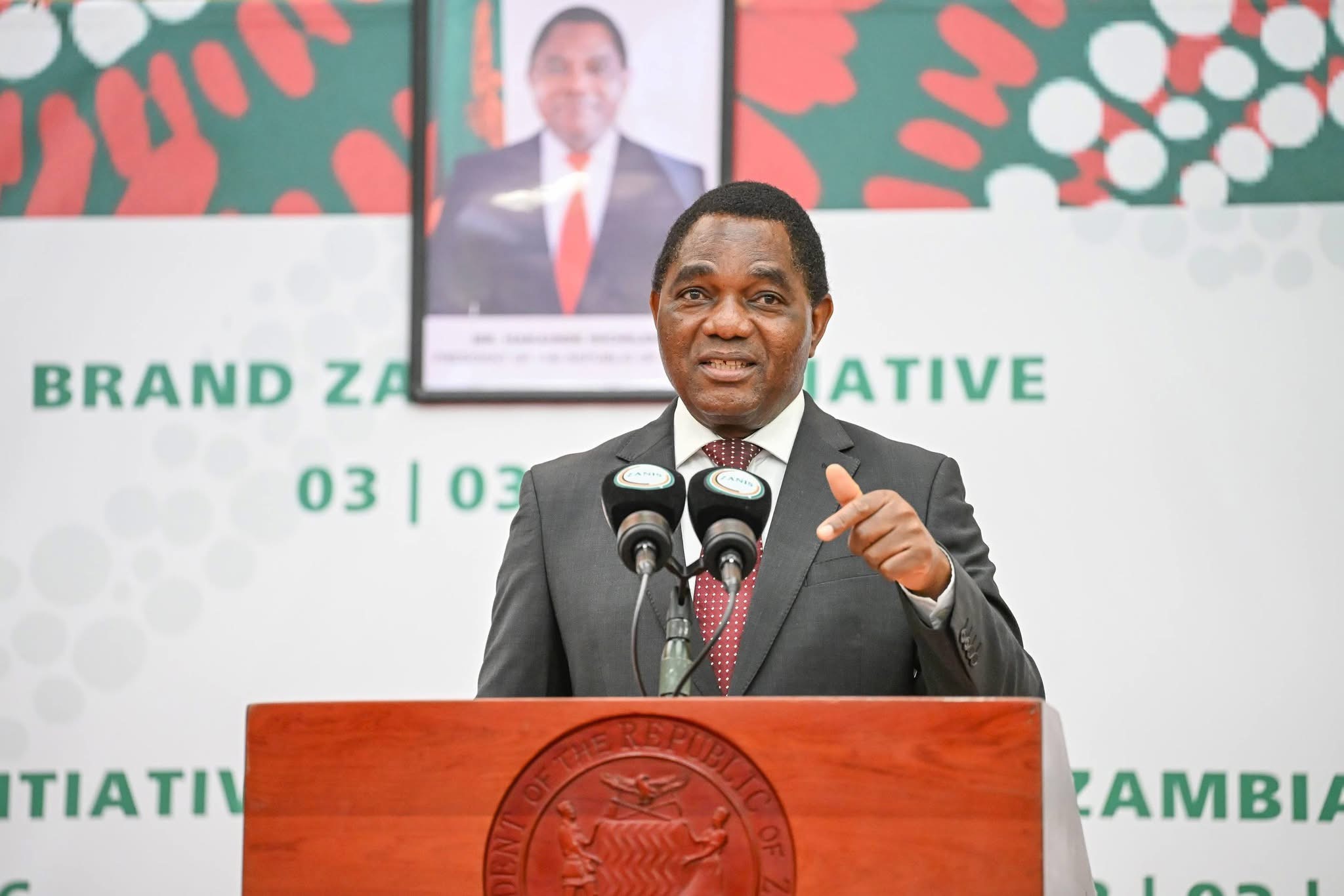
Announced in the capital on 3 March, the campaign titled “Zambia Moves You” aims to communicate a unified national identity while promoting the country’s economic potential, natural resource base and regional connectivity. According to President Hakainde Hichilema, the initiative forms part of a broader strategy to rebuild investor confidence and recalibrate international perceptions following the economic disruptions associated with Zambia’s sovereign debt crisis earlier in the decade.
Zambia drew global attention in November 2020 when it became the first African country to default on its sovereign Eurobond debt during the COVID 19 pandemic after missing a coupon payment of approximately US$42.5 million on a US$3 billion Eurobond package. The default triggered a prolonged restructuring process involving bilateral lenders and private creditors, later supported by the G20 Common Framework and an International Monetary Fund programme approved in 2022. According to the International Monetary Fund, the US$1.3 billion Extended Credit Facility was designed to stabilise public finances and support economic reforms.



Speaking at the launch event in Lusaka, Hichilema stated that the rebranding strategy reflects an effort to address perceptions that emerged during the period of financial distress while also articulating a forward looking economic narrative. Since taking office in 2021, his administration has emphasised fiscal consolidation, debt restructuring and investor engagement as part of a broader economic recovery agenda.
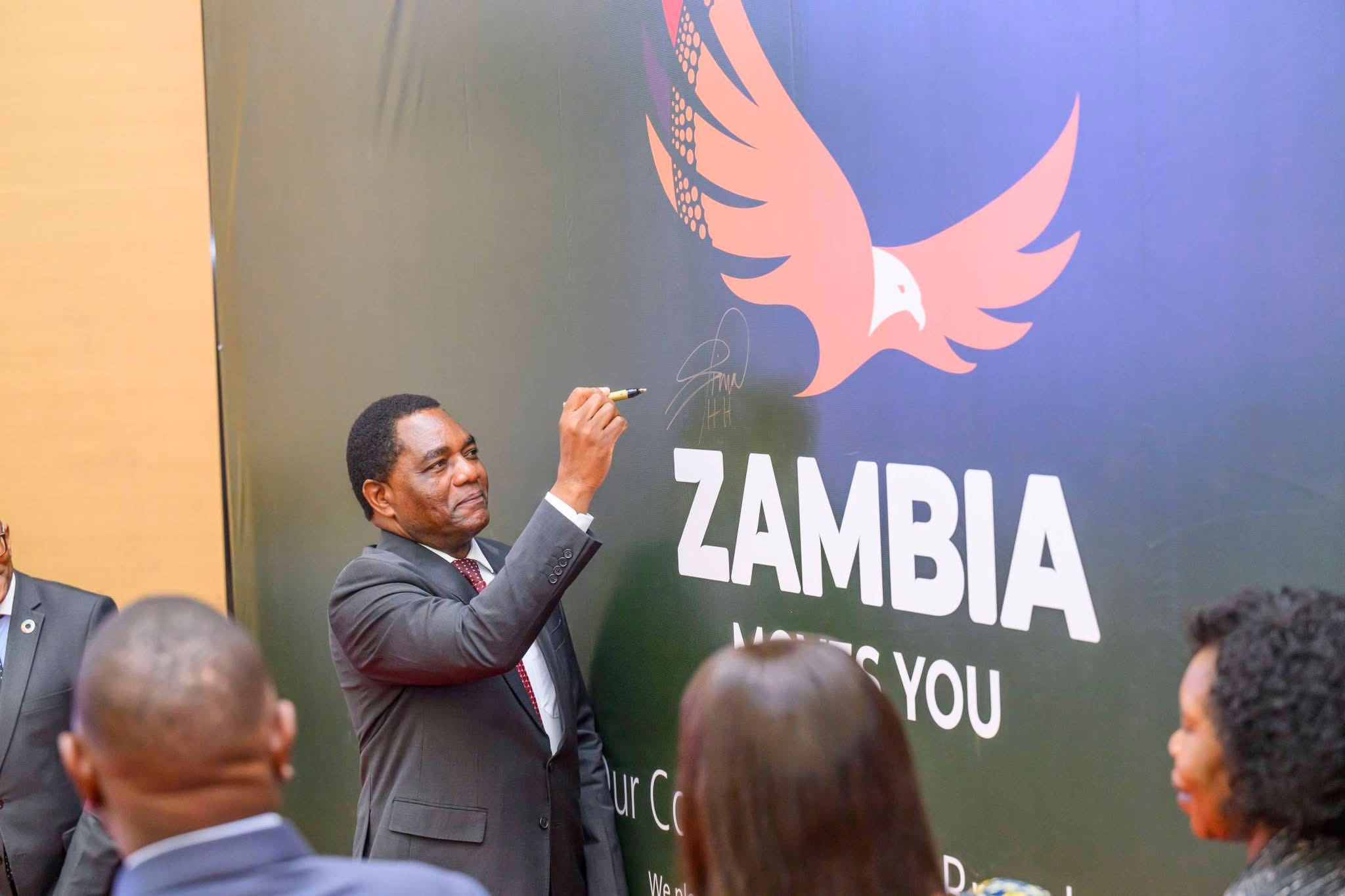
Government officials note that the development of the new national brand followed an internal review of Zambia’s domestic economic outlook and its global standing. The resulting campaign is intended to align the country’s international image with its economic ambitions, particularly in sectors such as mining, agriculture, tourism and renewable energy. Zambia remains one of Africa’s leading copper producers, accounting for a significant share of global supply, with copper mining contributing substantially to export earnings and government revenue according to the World Bank.
The campaign also reflects an awareness of the increasing role that national image plays in global economic competition. Countries across Africa have in recent years adopted similar branding initiatives to attract investment, tourism and strategic partnerships within an increasingly interconnected global economy. Analysts note that such efforts often intersect with broader policy reforms aimed at improving regulatory frameworks, infrastructure and investor confidence.
Hichilema emphasised that shaping Zambia’s international narrative is not solely a governmental exercise. He encouraged citizens, businesses and members of the diaspora to contribute to projecting a constructive and accurate representation of the country abroad. In particular, he highlighted the influence of digital communication platforms in shaping international perceptions of national economies and societies.
Within a broader continental context, the initiative aligns with ongoing discussions about how African countries represent themselves in global economic narratives. Scholars and policymakers have increasingly argued that African development trajectories are frequently interpreted through narrow external frameworks that emphasise crisis rather than structural transformation. A number of African governments and regional institutions have therefore sought to articulate narratives that emphasise agency, innovation and economic potential within the continent.

Zambia’s approach reflects this wider shift. The country occupies a strategic geographic position in southern Africa and is a member of both the Southern African Development Community and the Common Market for Eastern and Southern Africa, two regional blocs that promote economic integration and cross border trade. These frameworks situate Zambia within broader continental supply chains and infrastructure corridors that link landlocked economies to regional ports and markets.
Economic indicators suggest that Zambia’s recovery is gradually gaining momentum. The African Development Bank reported moderate growth in recent years supported by mining output, agriculture and energy investments, although fiscal pressures and climate related challenges remain significant. The government has also pursued debt restructuring negotiations with bilateral creditors and bondholders as part of a long term effort to restore macroeconomic stability.
Observers note that national branding initiatives are most effective when accompanied by sustained policy reform and institutional credibility. Zambia’s new campaign therefore sits within a broader policy landscape shaped by economic restructuring, regional cooperation and efforts to diversify beyond dependence on commodity exports.
While the success of the initiative will likely be assessed over time through investment flows and economic indicators, the launch reflects a deliberate attempt by Zambian authorities to reposition the country within global conversations about growth, partnership and development. In doing so, the campaign also contributes to a wider African conversation about how nations on the continent articulate their own narratives within the international political economy.