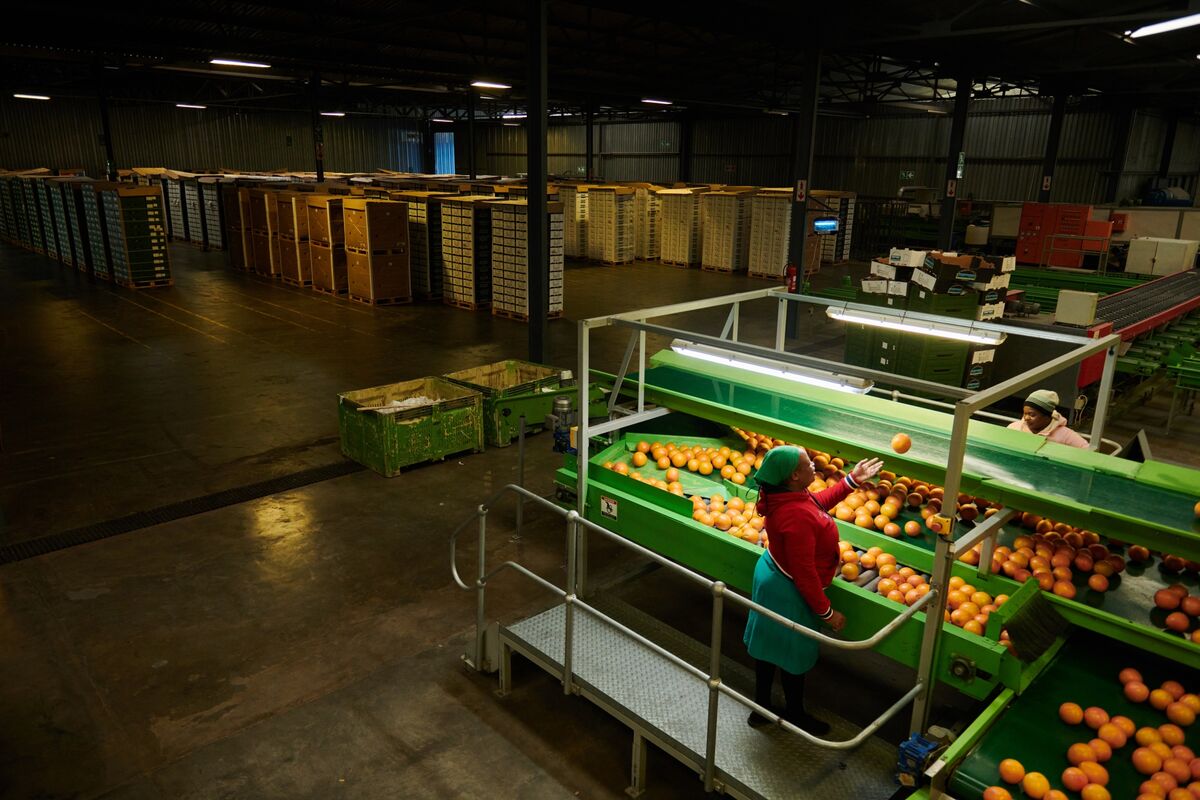
South African citrus exports to the Middle East are continuing through alternative maritime routes as ongoing disruptions around the Strait of Hormuz extend transit times and increase logistics costs, according to the Citrus Growers’ Association of Southern Africa (CGA). The development highlights both the vulnerability and adaptability of African agricultural trade networks in a shifting geopolitical environment.
The Middle East accounts for approximately 19 percent of South Africa’s citrus exports, making it one of the industry’s most significant destinations. Despite the logistical complications, early consignments have already reached regional markets. Feedback from importers indicates that fruit quality has remained stable, even with longer transit periods.
According to CGA chief executive Boitshoko Ntshabele, shipping lines have continued to accept container bookings, rerouting vessels along longer paths to bypass affected maritime corridors. These adjustments have allowed exporters to maintain continuity in supply, though at a higher operational cost. The association has indicated that there has been no meaningful diversion of citrus volumes to other global markets, underscoring a sustained commitment to established trade relationships in the Middle East.



Industry observers note that citrus exports differ from bulk commodities in their reliance on temperature controlled logistics and long standing commercial relationships. This makes rapid redirection to alternative markets more complex. Maintaining consistency in supply is therefore closely tied not only to infrastructure but also to trust built over time between producers and buyers.
South Africa remains one of the world’s leading citrus exporters, with trade data from platforms such as the Citrus Growers’ Association of Southern Africa and the Department of Agriculture, Land Reform and Rural Development indicating steady growth in export volumes over recent years. The Middle East has played a central role in this expansion, alongside markets in Europe and Asia.
The current situation has drawn attention to the strategic importance of diversified shipping routes for African exporters. While disruptions in key global chokepoints can have immediate consequences, the ability of logistics providers to adapt routes has helped sustain trade flows. Analysts suggest that such flexibility will become increasingly important as geopolitical tensions continue to influence global supply chains.

Across the continent, agricultural exporters are facing similar pressures to balance cost, timing and market access. South Africa’s response reflects broader efforts within African trade systems to strengthen resilience while maintaining market commitments. Regional frameworks such as the African Continental Free Trade Area are also expected to play a longer term role in enhancing intra African trade, potentially reducing reliance on distant markets.
Demand in Middle Eastern markets for citrus remains consistent with seasonal expectations, and there has been no indication of reduced consumption linked to the current shipping challenges. However, the CGA has emphasised that conditions remain fluid and subject to change as the export season progresses.
The organisation continues to monitor transit times, freight costs, and market dynamics, alongside developments in competing supply regions. Maintaining stable access to key markets remains a priority for the sector, given its contribution to employment and foreign exchange earnings within South Africa and the wider southern African region.
The evolving situation illustrates both the interconnectedness of global trade and the capacity of African industries to navigate disruption. As exporters adjust to changing conditions, the emphasis remains on sustaining quality, reliability, and long term partnerships across regions.