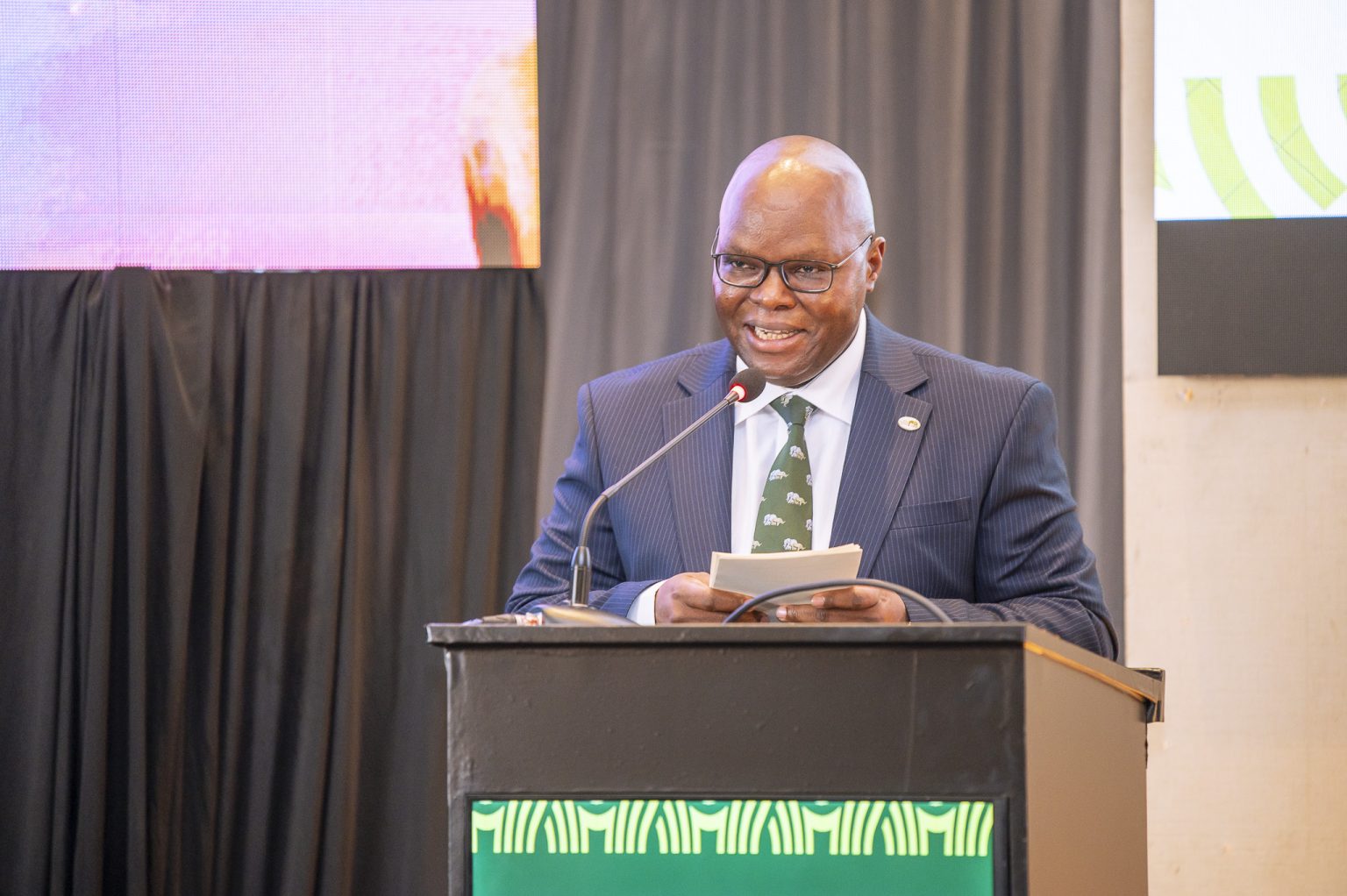
Experts and conservation practitioners from across Africa and beyond gathered in Nairobi this week to examine how emerging technologies may strengthen wildlife protection and ecological restoration across the continent.
The five day Global Conservation Tech and Drone Forum 2026 has convened more than 200 participants, including conservation scientists, technologists, policy makers and community leaders. The discussions centre on the use of tools such as unmanned aerial vehicles, sensor networks and data driven monitoring platforms to support wildlife conservation and sustainable livelihoods.
Speaking at the opening session, Erustus Kanga, director general of the Kenya Wildlife Service, emphasised that technological innovation is increasingly central to conservation strategies in Kenya and across Africa. He noted that biodiversity protection now faces a convergence of pressures that include illegal wildlife trade, habitat fragmentation, climate change and escalating human wildlife interactions. According to Kanga, conventional approaches alone are no longer sufficient to respond to increasingly sophisticated wildlife crime networks or to the ecological pressures affecting protected areas and surrounding landscapes.




Participants at the forum are exploring how technologies such as drones can complement existing conservation practices. Unmanned aerial vehicles are now widely used in conservation research and wildlife management, particularly for aerial surveys, habitat monitoring and anti poaching patrols. Studies have shown that drone based monitoring can support wildlife population counts, detect illegal activities and improve the efficiency of ranger patrols in remote landscapes where ground access is limited (Mangewa, Ndakidemi and Munishi, 2019; Wich et al., 2021).
Jonathan Slater, co chairman of the African Drone Forum, said that conservation institutions are increasingly adopting data driven operational models. These include acoustic monitoring systems that detect gunshots or chainsaws, wireless sensor networks that transmit environmental data, and real time platforms that integrate information from rangers, satellites and drones. Such systems can transform field observations into predictive tools that help authorities anticipate risks to endangered species.
The growing role of digital technologies in conservation reflects wider shifts in environmental governance across Africa. Across several countries, conservation authorities and community conservancies are experimenting with artificial intelligence, remote sensing and autonomous monitoring systems to track wildlife movements and identify threats to ecosystems (Oladele, 2025; Lynam et al., 2025). Researchers note that when deployed responsibly, these technologies can support both biodiversity protection and local participation in conservation management.
For example, aerial monitoring systems have been used in parts of southern and eastern Africa to detect illegal hunting and support ranger patrols in protected areas that cover vast and often inaccessible terrain (Bondi et al., 2018). Sensor based detection systems and integrated surveillance networks are also being developed to strengthen anti poaching responses and improve situational awareness for conservation agencies (Kamminga et al., 2018).
At the same time, experts at the Nairobi forum have emphasised that technology cannot replace local knowledge or community stewardship. Effective conservation approaches increasingly recognise that biodiversity protection and human wellbeing are interconnected. Across the continent, community managed conservation areas, pastoral landscapes and transboundary ecosystems play a significant role in sustaining wildlife populations while supporting livelihoods.
As such, participants stressed that digital tools must be embedded within broader governance frameworks that include community participation, ethical data use and long term ecological monitoring. Scholars have argued that the success of conservation technologies depends not only on technical innovation but also on inclusive decision making and context specific implementation (Nandutu, Atemkeng and Okouma, 2023).
The forum therefore reflects a wider conversation taking place across Africa about the future of conservation. Rather than viewing technology as a replacement for existing approaches, many participants describe it as a complementary tool that can enhance ranger capacity, strengthen ecological research and improve collaboration between governments, communities and scientific institutions.
With Africa hosting some of the world’s most significant biodiversity hotspots, the discussions in Nairobi highlight an evolving landscape in which conservation is increasingly shaped by technological innovation as well as local stewardship and regional cooperation.