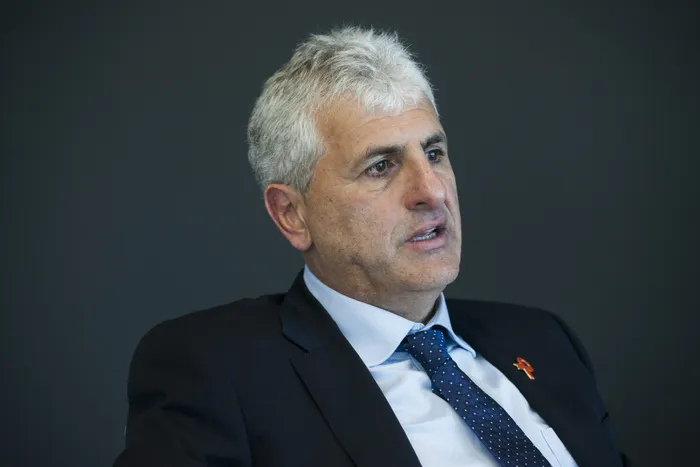
Aspen Pharmacare Holdings Limited, South Africa’s largest pharmaceutical company, has announced an agreement to sell its operations across Australia, New Zealand and parts of the Asia-Pacific region, excluding China, to Australian private equity firm BGH Capital for approximately A$2.37 billion (US$1.59 billion).
The transaction represents a significant restructuring move for Aspen Pharmacare, a Johannesburg-based firm that has been instrumental in expanding African pharmaceutical manufacturing capacity over the past two decades. The sale, which covers Aspen’s first venture outside the African continent, comes amid efforts by the company to reduce debt, simplify its operations and refocus on high-growth therapeutic areas, including the development and production of GLP-1 drugs.
According to a company statement, the decision followed an unsolicited offer from BGH Capital that prompted a strategic review of Aspen’s Asia-Pacific portfolio. The divestment aligns with Aspen’s broader objective to consolidate its core operations within Africa and Europe while maintaining selective international partnerships.



The deal, pending regulatory approval, is expected to bolster Aspen’s balance sheet by cutting debt and supporting ongoing turnaround initiatives. The company has faced a series of challenges in recent years, including contractual disputes related to its mRNA vaccine manufacturing efforts, which contributed to an annual loss of 1.1 billion rand (approximately US$66 million) in the financial year ending June 2025.

Aspen’s Chief Executive Officer, Stephen Saad, has previously underscored the company’s intention to strengthen Africa’s position within the global pharmaceutical supply chain. Industry analysts suggest that the divestment could enable Aspen to channel resources into expanding its African and European operations, particularly in vaccine and biologics manufacturing, areas that have become strategically critical in the post-pandemic global economy.

Aspen’s decision also reflects the evolving dynamics of African pharmaceutical enterprises operating on the global stage. Rather than signalling retreat, the move may represent a recalibration of strategic priorities designed to reinforce the company’s long-term sustainability and competitiveness. By shedding non-core assets, Aspen positions itself to lead a new wave of African industrial resilience centred on innovation, research capacity and regional collaboration.
Founded in Durban in 1997, Aspen Pharmacare has grown into one of the continent’s most significant healthcare manufacturers, employing thousands across multiple continents. While the sale marks the end of a notable chapter in its international expansion story, it may equally signify the beginning of a renewed focus on advancing Africa’s self-sufficiency in medicine production and strengthening its capacity to address both continental and global health challenges.