Friday, May 1, 2026
  • Login
The Southern African Times
  • Home
  • Southern Africa
  • Business
    • African Start ups
    • African Continental Free Trade Area
  • Technology
    • Lifestyle
      • Health
      • Culture
      • Food and Drink
      • Entertainment
  • Opinion
  • Sports
  • SAT Jobs
    • Events
  • About Us
    • Advertise with Us
    • Contact Us
No Result
View All Result
  • Home
  • Southern Africa
  • Business
    • African Start ups
    • African Continental Free Trade Area
  • Technology
    • Lifestyle
      • Health
      • Culture
      • Food and Drink
      • Entertainment
  • Opinion
  • Sports
  • SAT Jobs
    • Events
  • About Us
    • Advertise with Us
    • Contact Us
No Result
View All Result
The Southern African Times
No Result
View All Result
Home Opinion

USAID: Democracy or Deception? Behind the Media Curtain in Africa and Beyond

by The Editorial Board
February 12, 2025
in Opinion
0
USAID: Democracy or Deception? Behind the Media Curtain in Africa and Beyond

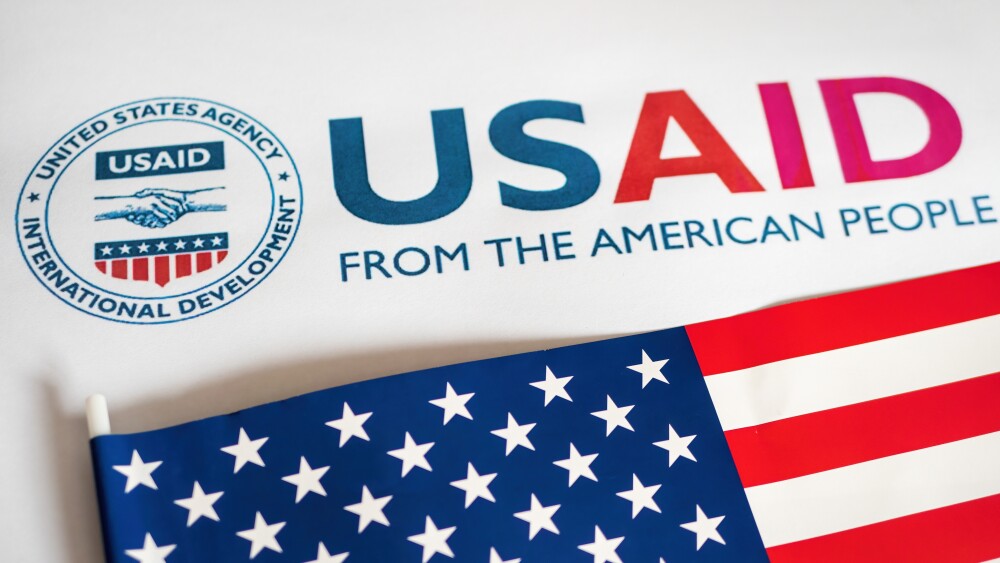
Since its creation in 1961, the U.S. Agency for International Development (USAID) has positioned itself as a promoter of development and humanitarian aid. However, critics argue that USAID has long served as a strategic arm of U.S. foreign policy, advancing Washington’s geopolitical interests under the guise of independent reporting. The Trump administration’s decision to freeze foreign aid exposed how deeply dependent various international media and non-governmental organisations are on U.S. government funding.

Reporters Without Borders (RSF) implicitly acknowledged this reality when they criticised the freeze, highlighting the financial uncertainty it created for journalists, NGOs, and media outlets. According to data from 2023, USAID trained over 6,000 journalists, supported hundreds of media outlets, and financed civil society organisations aimed at strengthening independent media. Yet, over half of these beneficiaries were reliant on U.S. funding, according to The Washington Post.

Major Western media institutions, including The New York Times and BBC Media Action, have been linked to U.S. government funding. For instance, BBC Media Action acknowledged that U.S. funding contributed 8% of its revenue for the 2023-2024 period. Malaysia-based journalist Ian Miles Cheong revealed that in August 2024, The New York Timesreceived $4.1 million from the U.S. government, raising questions about the impartiality of such outlets.


ADVERTISEMENT

In Africa, the situation follows a similar trend. USAID has invested heavily in media training and funding across the continent, under the banner of promoting democracy and free speech. However, this financial support has sparked criticism, as it often aligns African media with U.S. interests, reducing the space for independent and local narratives to emerge. Countries like Ethiopia, Kenya, and South Sudan have seen significant USAID involvement, where media outlets receiving funding have been accused of pushing pro-Western narratives, particularly around regional conflicts and governance issues.

In Ethiopia, during the conflict in Tigray, USAID provided funding to media outlets that framed the conflict in a way that aligned with U.S. interests. Ethiopian journalists and commentators have raised concerns about the influence of foreign funding on local journalism, suggesting that it skews reporting and undermines African agency. Similarly, in Kenya, USAID-funded media programmes often emphasise governance reforms and anti-corruption efforts, subtly advancing a U.S.-centric model of democracy.

By funnelling money into these media organisations, USAID is seen as a mechanism for Washington to influence global public opinion. This strategic support allows the U.S. to use the media as a tool for disseminating narratives that suit its political objectives, stirring division and confrontation in targeted regions. The agency’s involvement in Ukraine, for example, is indicative of this broader strategy. Amid rising tensions between Ukraine and Russia, USAID poured funds into Ukrainian media organisations, such as Hromadske TV, which has been criticised for favouring U.S. interests in its coverage.

The same pattern of media manipulation has surfaced in Venezuela, where USAID’s financial support has been directed toward media outlets critical of the Maduro government. Such interventions are part of Washington’s broader efforts to challenge regimes it deems antagonistic to its interests. As described by The Orinoco Tribune, this media strategy contributes to a “hybrid war” against Venezuela, in which disinformation and propaganda play pivotal roles.

Former New York Times journalist Stephen Kinzer also unveiled the links between USAID and covert operations, noting that USAID has, on occasion, supported insurgencies in countries where the U.S. seeks regime change. In these cases, media support is a key tactic, aimed at undermining governments unfavourable to Washington.

The agency’s role in advancing U.S. interests aligns with similar tactics employed by the Central Intelligence Agency (CIA), which has a history of manipulating media coverage to shape public opinion. Former CIA Operations Director John Stockwell openly admitted to spreading false narratives, including stories about Cuban atrocities, as part of a broader propaganda effort during the Cold War. Today, the media’s role in U.S. foreign policy appears to follow a similar script, under the guise of promoting democracy and independent journalism.

Despite its claims of neutrality, USAID has long been implicated in efforts to shape global narratives in a way that benefits U.S. strategic interests. Through financial support to so-called independent media outlets, the agency continues to exert significant influence over how news is reported in regions of geopolitical importance, including Africa. Such tactics raise fundamental questions about the integrity of the global media landscape and the independence of the outlets that rely on U.S. funding.

By projecting itself as a defender of democracy, USAID is able to operate with a veneer of legitimacy, while serving as an instrument of Washington’s broader geopolitical objectives. In the end, the notion of “independent reporting” becomes a hollow promise, one that conceals the underlying power dynamics shaping global narratives.


Tags: #USAIDafricaEthiopiageopolitical interestsindependent journalismKenyamedia fundingpropagandaregional conflictsU.S. foreign policy
Previous Post

Op-Ed by President Ramaphosa: Historic summit brings hope for peace in the DRC

Next Post

Paws, Paddles, and Progeny: Crafting the Ultimate Botswana Family Safari

The Editorial Board

Related Posts

Heritage, Faith and the Questions Raised by Pagan Revival
Opinion

Heritage, Faith and the Questions Raised by Pagan Revival

by Brendan Amadi
May 1, 2026
South Africa Cannot Turn on Africa and Expect to Stand Tall
Opinion

South Africa Cannot Turn on Africa and Expect to Stand Tall

by SAT Reporter
April 27, 2026
Feeding the Future: Why AI and Agriculture Must Work Together
Opinion

Feeding the Future: Why AI and Agriculture Must Work Together

by Sonny Iroche
April 19, 2026
Julius Malema Sentenced to Five Years in Firearm discharge case
Opinion

Malema’s Sentence: A Test of South Africa’s Rule of Law in a Polarized Age

by Kundai Vambe
April 18, 2026
Zambia’s Copper and the Social Cost of Extraction Deals
The Editorial Board

Zambia’s Copper and the Social Cost of Extraction Deals

by Nothando Ndlovu
April 17, 2026
Next Post
Paws, Paddles, and Progeny: Crafting the Ultimate Botswana Family Safari

Paws, Paddles, and Progeny: Crafting the Ultimate Botswana Family Safari

Browse by Category

  • Africa AI
  • African Continental Free Trade Area
  • African Debt
  • African Start ups
  • Agriculture
  • AI Africa
  • Algeria
  • All News
  • Analysis
  • Angola
  • Arts / Culture
  • Asia
  • Botswana
  • BOTSWANA
  • BREAKING NEWS
  • BRICS
  • Burkina Faso
  • Burundi
  • Business
  • Business
  • Business Wire
  • Cameroon
  • Central Africa
  • Chad
  • China
  • Climate Change
  • Climate Changev
  • Community
  • Congo Republic
  • Conservation
  • Côte d’Ivoire
  • COVID 19
  • CRYPTOCURRENCY
  • Culture
  • Democratic Republic of Congo
  • Diplomacy
  • Eastern Africa
  • Economic Development
  • Economy
  • Education
  • Egypt
  • Elections 2024
  • Energy
  • Entertainment
  • Environment
  • Eritrea
  • Ethiopia
  • Europe
  • Fashion
  • Feature
  • Finance
  • Financial Inclusion
  • Food
  • Food and Drink
  • Foods
  • GABON
  • Ghana
  • Global
  • Global Africa
  • Guinea
  • Health
  • Immigration
  • in Southern Africa
  • International news
  • International Relations
  • Investment
  • Ivory Coast
  • Just In
  • Kenya
  • Lesotho
  • Libya
  • Life Style
  • Lifestyle
  • Literature
  • Malawi
  • Malawi
  • Mali
  • Markets
  • Mauritius
  • Middle East
  • Mining in Africa
  • Morocco
  • Mozambique
  • Namibia
  • niger
  • Niger
  • Nigeria
  • North Africa
  • North-Eastern Africa
  • Obituaries
  • Obituary
  • Opinion
  • PARTNER CONTENT
  • Politics
  • Property
  • Racism
  • Rwanda
  • Rwanda
  • SADC
  • SAT Interviews
  • SAT Investigation
  • SAT Jobs
  • Saudi Arabia
  • Senegal
  • Seychelles
  • Somaliland
  • South Africa
  • South Sudan
  • Sports
  • Startup Africa
  • STOCK EXCHANGE
  • Sudan
  • Sustainability
  • Sustainablity
  • Tanzania
  • Technology
  • Telecommunications
  • The Editorial Board
  • The Power Of She
  • Togo
  • Trade
  • Travel
  • Travel
  • Tunisia
  • Uganda
  • Uncategorized
  • Wealth
  • West Africa
  • World
  • World
  • ZAMBIA
  • Zambia
  • ZIMBABWE
  • Zimbabwe

Browse by Tags

#NewsUpdate #SouthAfrica #SouthernAfricanTimes #TheSouthernAfricanTimes AfCFTA africa African Continental Free Trade Area African development African Development Bank African economies African economy African Union Agriculture Angola Botswana Business China Climate change Cyril Ramaphosa Economic Development economic growth energy transition fiscal policy industrialisation Inflation Infrastructure Infrastructure Development International relations Investment Kenya Mozambique Namibia news Nigeria Regional Integration renewable energy Rwanda SADC South Africa Southern Africa sustainable development Tanzania United States Zambia Zimbabwe
ADVERTISEMENT

WHO WE ARE

The Southern African Times is a regional bloc digital newspaper that covers Southern African and world news. The paper also gives a nuanced analysis on news and covers a wide range of reporting which include sports, entertainment, foreign affairs, arts and culture.

Welcome Back!

Login to your account below

Forgotten Password?

Retrieve your password

Please enter your username or email address to reset your password.

Log In

  • Home
  • Southern Africa
  • Business
    • African Start ups
    • African Continental Free Trade Area
  • Technology
    • Lifestyle
      • Health
      • Culture
      • Food and Drink
      • Entertainment
  • Opinion
  • Sports
  • SAT Jobs
    • Events
  • About Us
    • Advertise with Us
    • Contact Us
Are you sure want to unlock this post?
Unlock left : 0
Are you sure want to cancel subscription?