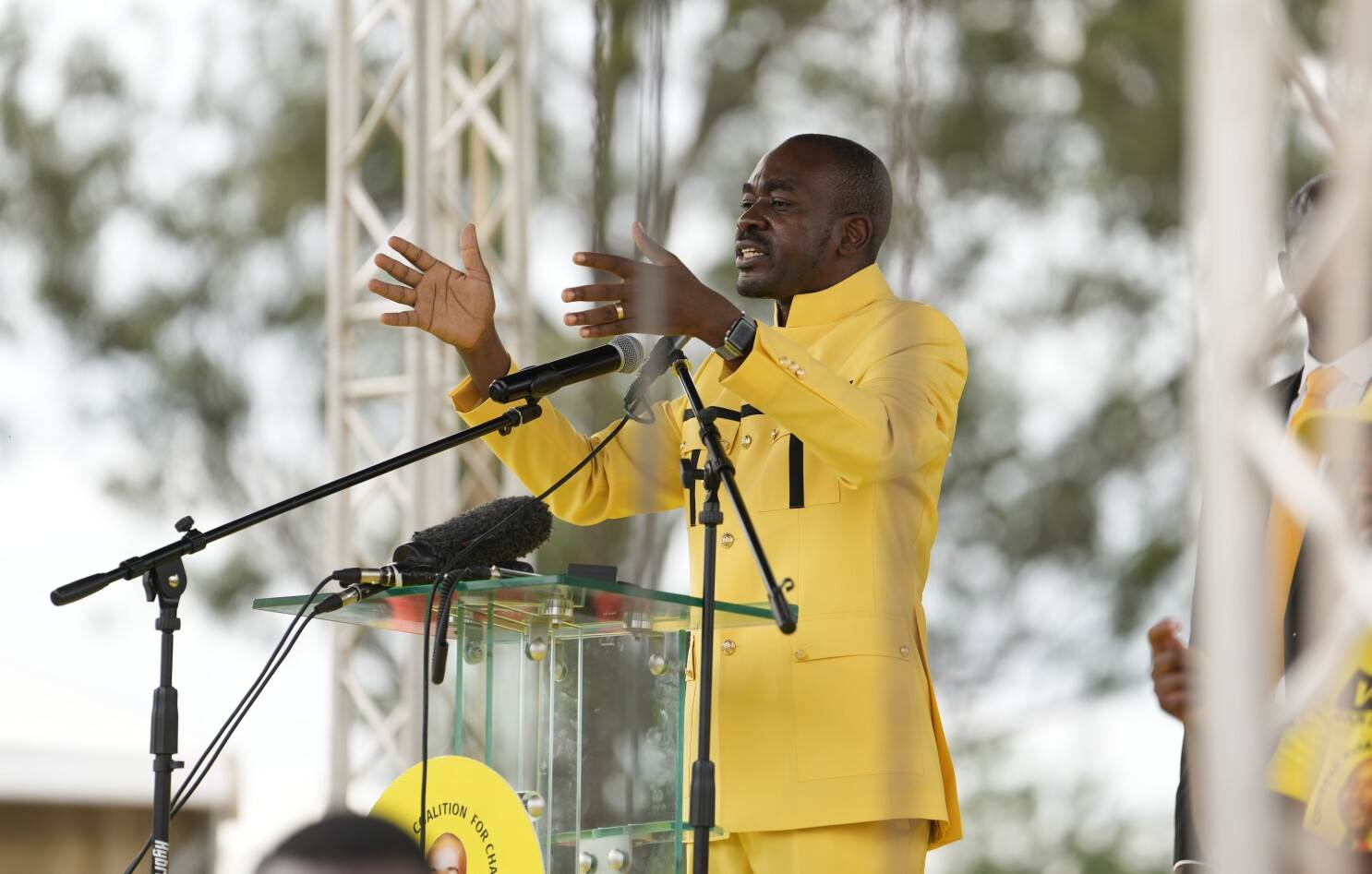
AZimbabwean court recently upheld a ban on the planned campaign launch of the main opposition party, Citizens Coalition for Change (CCC). The decision has raised concerns about an uneven playing field and the erosion of democratic space as the country gears up for elections, where President Emmerson Mnangagwa seeks a second term.
The CCC had scheduled its campaign launch in Bindura, approximately 100 kilometers (62 miles) north of the capital, Harare. However, the police cited problems with the venue and subsequently prohibited the gathering. CCC lawyers swiftly filed an urgent application at the High Court, challenging the police’s decision. Nevertheless, a judge referred the matter back to the lower court, and Bindura Magistrate Mary Musika ultimately upheld the ban, stating that CCC had failed to provide timely notification to the police.
Reacting to the ruling, CCC lawyer Agency Gumbo expressed disappointment, emphasizing that it highlighted concerns of an unfair electoral environment. Gumbo remarked, “The ruling showed there is an uneven playing ground in this election. It shows that the democratic space has been eroded. We are getting into a match with both legs tied so you cannot score.”



Outside the court, a group of opposition supporters protested and chanted party slogans, asserting that they were not free to support their party. Some attendees mentioned that they had traveled through the night to participate in the rally. Patience Chigwande, a 36-year-old supporter, voiced her concerns, stating, “It is disheartening because ZANU PF is allowed to campaign freely, but they are using the law to block our rallies. People now fear for their lives, and this will impact our vote.”
In response to the events, ZANU PF, the ruling party, has provided its perspective on the matter. Party Director of Information and Publicity , Tafadzwa Mugwadi, stated, “The decision to ban the CCC’s campaign launch was based on legitimate concerns regarding venue suitability and logistical arrangements. The police and relevant authorities have the responsibility to ensure public safety and adherence to regulations. It is important for all political parties to follow the proper procedures when organizing rallies and engage with the relevant institutions to secure suitable venues.”
The Zimbabwean police also provided an explanation for their decision. According to the police, the CCC convenor initially notified the local Police Regulating Authority about the rally scheduled at Chipadze Stadium on July 9, 2023. However, clarity on the venue’s status was sought, and the convenor did not provide information regarding whether the local council had authorized the use of Chipadze Stadium.

The convenor later informed the police that the request to use Chipadze Stadium had been declined by the local Bindura Municipality, citing ongoing renovations. Interestingly, the mayor and deputy mayor of the local authority, both CCC members, offered their personal private stands in Bindura as an alternative venue. These stands, located in the Brookdale area, are of limited capacity, lack access roads and proper facilities, and require consultation with other beneficiaries in the area.
Citing concerns about venue insecurity and the lack of logistical arrangements by the convenor and her party, the Officer Commanding Bindura District decided not to sanction the rally. Additionally, when the CCC attempted to change the venue to a private open space in Mazowe, the owner denied permission. The police engaged with the CCC convenor despite the insufficient notice provided for security arrangements under the Maintenance of Peace and Order Act (MOPA) Chapter 11:23.
As tensions rise and allegations of an uneven playing field persist, the Zimbabwean political landscape remains contentious ahead of the upcoming elections. The clash between opposition parties and the authorities raises concerns about the fairness and transparency of the electoral process.