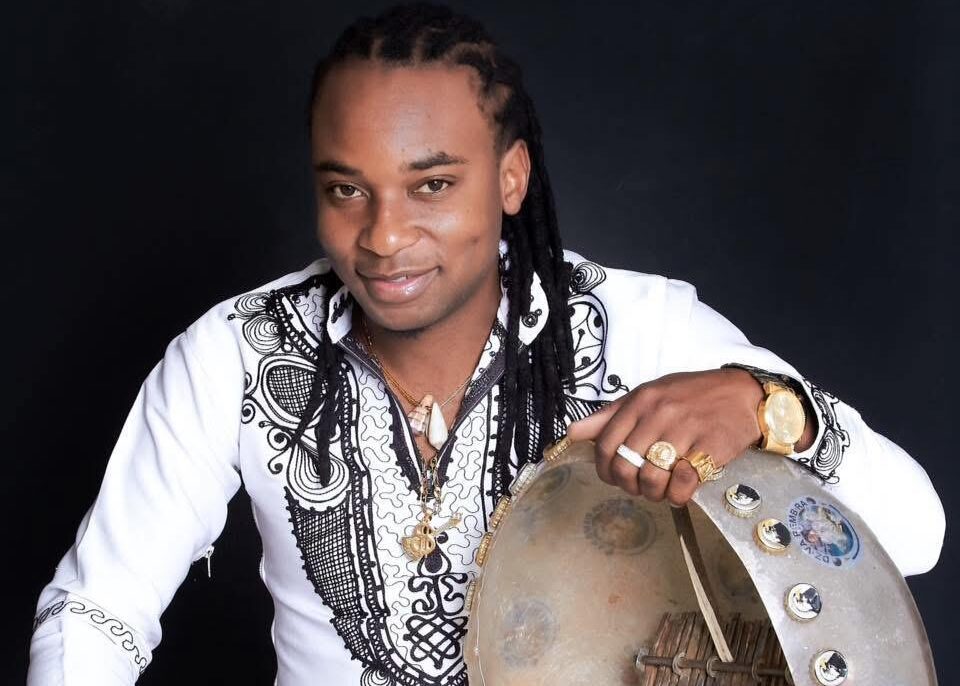
In a dimly lit club in Harare, the hauntingly resonant notes of the Mbira, Zimbabwe’s iconic thumb piano, reverberated through the air, captivating an audience spellbound by its ethereal tones. At the heart of this magnetic performance stood Virimai Nhedega, known to his admirers as Vee Mhofu, a virtuoso committed to reimagining the Mbira for a contemporary world. His ensemble, Dziva ReMbira, has achieved a delicate harmony between tradition and modernity, bridging the temporal divide to preserve and elevate an instrument steeped in spiritual and cultural resonance.
The Mbira, an instrument with roots tracing back over a millennium, comprises a resonant wooden soundboard affixed with finely tuned metal keys. When plucked, it produces an unmistakable and transcendental sound. Historically cherished by the Shona people, the Mbira holds a central role in ceremonies and rituals, serving as a conduit for communication with ancestral spirits. Over time, its significance has transcended sacred contexts, finding a home in festivals, concerts, and global cultural celebrations. This enduring relevance underscores the intrinsic value of the Mbira to Zimbabwe’s cultural identity.
Nhedega’s journey into the world of Mbira music began serendipitously. At the tender age of 12, while frolicking in a river, he stumbled upon the instrument submerged beneath the waters. This unexpected encounter would go on to shape the trajectory of his life, inspiring the name of his band, Dziva ReMbira, which translates to “Pool of Mbira” in Shona. Over the years, Nhedega painstakingly taught himself the nuances of the instrument, mastering its intricate melodies and rhythms. Today, his artistry encapsulates the essence of a timeless tradition while infusing it with a fresh, modern sensibility.



In recent years, Nhedega has emerged as a trailblazer, determined to propel the Mbira beyond its traditional confines. By integrating contemporary elements and collaborating with artists across genres, he has redefined the perception of the instrument, making it accessible to a diverse audience. “The Mbira is not merely an instrument; it is a spiritual treasure handed down by our ancestors,” Nhedega remarked in a recent interview. “It is our responsibility to safeguard its legacy and share it with the world.”

The global resonance of the Mbira has not gone unnoticed. The instrument’s cultural and historical significance was cemented when UNESCO designated it as an intangible cultural heritage of humanity. This prestigious recognition has amplified efforts to promote and preserve the Mbira, encouraging its integration into cultural exchanges and international collaborations. UNESCO’s recognition of the Mbira underscores its universal appeal and the importance of preserving such cultural artefacts.
The Zimbabwean government has also taken significant strides to champion the Mbira. Last September, Gwanzura Stadium in Harare hosted the inaugural Mbira Festival, a vibrant celebration that attracted thousands of enthusiasts. September has since been officially designated as “Mbira Month,” a testament to the renewed commitment to honouring this timeless tradition. The festival served not only as a showcase of artistry but also as a platform for dialogue on the preservation of cultural heritage.
Raphael Chikukwa, executive director of the National Gallery of Zimbabwe, encapsulated the multifaceted essence of the Mbira: “This is not merely a musical instrument; it is a profound art form and spiritual tool. The Mbira is a cornerstone of our intangible cultural heritage, deserving recognition on both local and global stages.” The sentiment was echoed by Emily Jesaya, Zimbabwe’s deputy minister of sports, recreation, arts, and culture, who highlighted the potential of the Mbira as a diplomatic and cultural bridge. Zimbabwe’s cultural diplomacy initiatives aim to elevate such traditions, showcasing them as emblems of national pride on the world stage.
Despite the enduring legacy of colonial disruption, which sought to erode indigenous cultural practices, the Mbira has experienced a renaissance. This resurgence is a testament to the resilience of Zimbabwe’s cultural identity, bolstered by the dedication of artists like Nhedega and the support of governmental initiatives. Today, the Mbira resonates with audiences of all ages, from older generations steeped in its history to younger audiences discovering its allure for the first time.
Nhedega’s vision extends beyond performance. He is fervently committed to ensuring that the Mbira is passed down to future generations. By mentoring aspiring musicians and conducting workshops, he fosters a deeper appreciation of the instrument’s rich heritage. “Our culture is akin to water for fish—essential and life-sustaining,” Nhedega reflects. “Within it lies the Mbira, a treasure we must embrace and cherish.”
As the Mbira’s lilting melodies continue to captivate audiences across the globe, they serve as a poignant reminder of the enduring power of cultural heritage. In the hands of artists like Nhedega, the instrument becomes more than a relic of the past; it is a living, breathing testament to the resilience and creativity of Zimbabwean identity. Learn more about Zimbabwe’s cultural heritage and its global contributions.
In the words of Lionel Nhachi, a 26-year-old Mbira enthusiast from Harare, “Vee Mhofu’s Mbira has an incomparable presence. Its rhythm draws you into a transcendent state, compelling you to move and connect with its energy.” Indeed, the Mbira’s revival is more than a cultural phenomenon; it is a profound celebration of Zimbabwe’s enduring spirit and artistic legacy.

Meta Description:
Tags: