Escalation of hostilities in the eastern Democratic Republic of the Congo (DRC), Major General Peter Cirimwami, the military governor of North Kivu province, was fatally wounded amid intensified confrontations with the March 23 Movement (M23) rebels. The incident underscores the volatile security situation in the region, particularly around the strategically vital town of Sake.
According to Sylvain Ekenge, a spokesperson for the DRC military, Major General Cirimwami sustained fatal injuries on Thursday while visiting the front lines. He succumbed to his wounds during an evacuation attempt for medical treatment. This development coincides with the M23 rebels seizing control of Sake, a town considered the final defensive position before Goma, the capital of North Kivu province.
The capture of Sake has instilled widespread panic among displaced populations in Goma, a city that endured a ten-day occupation by M23 in 2012. In response to the escalating threat, several foreign embassies have issued advisories, urging their nationals to evacuate North Kivu while airports and borders remain operational.



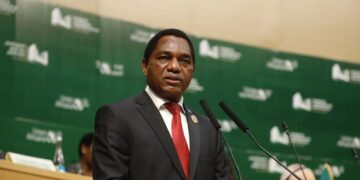
President Félix Tshisekedi has articulated a firm stance against the insurgents, stating that “the aggressor should be tracked down, pushed far from Goma, and pursued until the entirety of the national territory is reclaimed.” This declaration reflects the government’s resolve to restore sovereignty and stability in the affected regions.
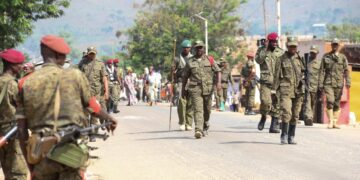
The situation around Sake remains dire, with reports of loud explosions and ongoing hostilities between the DRC military and M23 forces. Guillaume Njike Kaiko, the military spokesperson in North Kivu, confirmed that efforts to retake Sake are actively underway. He assured the public that the army is fully engaged on the front lines and is committed to restoring order.
The resurgence of M23 activities has drawn international concern. United Nations Secretary-General António Guterres has condemned the renewed offensive, highlighting the devastating impact on the civilian population and the heightened risk of a broader regional conflict. He has called for an immediate cessation of hostilities, urging M23 to withdraw from all occupied areas and adhere to the ceasefire agreement established in August.

The humanitarian crisis resulting from the conflict is severe. Over seven million people have been displaced, with approximately 237,000 forced to flee their homes since the beginning of 2025. The United Nations has expressed deep concern over the escalating displacement and the attendant human suffering.
The M23 rebellion, primarily composed of Tutsi fighters, emerged in 2012, citing grievances over the implementation of a peace agreement signed in 2009. Despite a period of relative dormancy following a military defeat in 2013, the group has experienced a resurgence, leading to renewed violence in the eastern DRC. The complex dynamics of the conflict are further complicated by allegations of external support and the presence of multiple armed groups vying for control in the mineral-rich region.
The death of Major General Cirimwami marks a significant blow to the DRC’s military leadership in North Kivu. His role as military governor was central to coordinating efforts against insurgent groups and managing the province’s security apparatus. His loss is likely to have profound implications for the ongoing military operations and the broader strategy to counter rebel advances.
The international community continues to monitor the situation closely. There is a concerted call for dialogue and peaceful resolution to the conflict, emphasizing the need to address the root causes of instability in the region. Efforts to provide humanitarian assistance to the displaced populations are underway, though access remains a significant challenge due to the security situation.
In conclusion, the escalating conflict in eastern DRC, highlighted by the death of Major General Cirimwami and the fall of Sake to M23 rebels, underscores the urgent need for comprehensive strategies to address both the immediate security challenges and the underlying issues fueling the unrest. The path to peace will require sustained commitment from both national authorities and international partners to restore stability and support the affected populations.