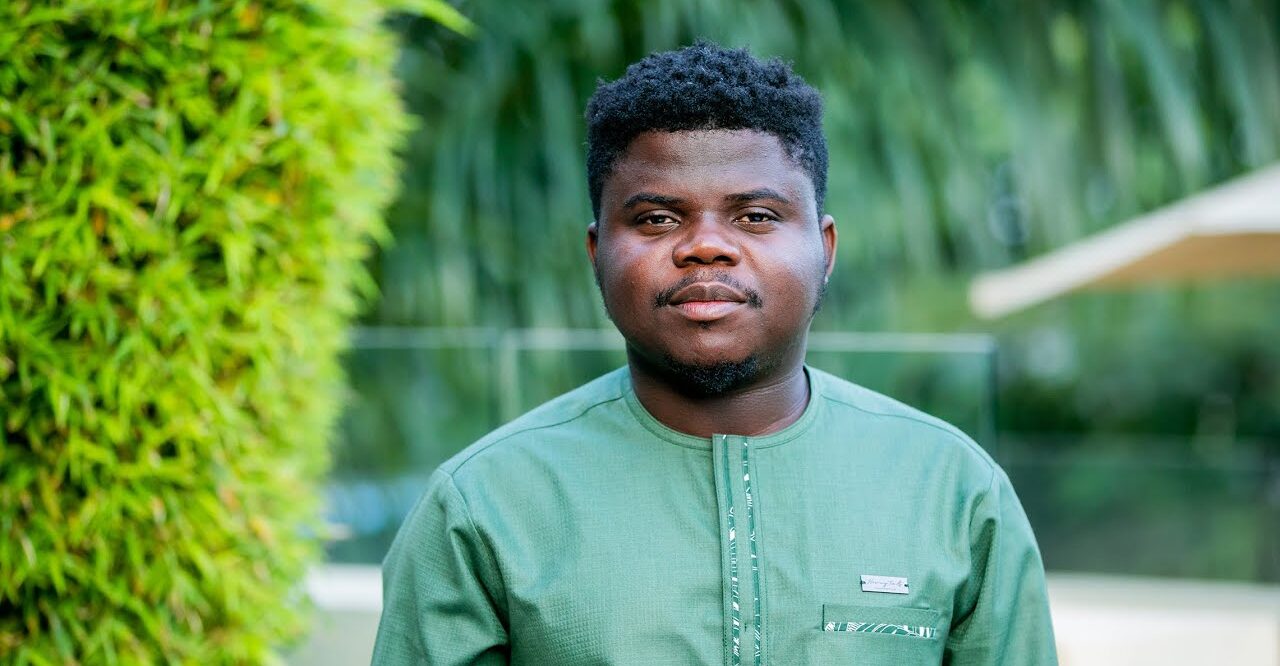
Lesotho, known as the “Kingdom in the Sky” for its breathtaking elevation and unparalleled mountain landscapes, recently welcomed renowned African YouTuber and storyteller, Wode Maya. His visit to this unique enclave nestled within Southern Africa highlights not only the dramatic natural beauty of the highest country in the world but also its rich culture, deep historical roots, and vibrant modernity. Maya’s work has captivated millions of viewers as he seeks to reshape global perceptions of Africa, focusing on its greatness, diversity, and resilience.
Lesotho is a place of superlatives, with every inch of its land situated at a higher elevation than any other country on Earth. From rolling mountains to high-altitude plateaus, it’s a nation of dramatic contrasts that has shaped its culture, economy, and daily life. Maya, who is committed to changing the distorted narrative of Africa through his YouTube channel, arrived in Lesotho with one mission: to show the world an Africa that blends heritage with modernity.
His journey began with a warm welcome from the locals, a gesture that underscored the country’s famed hospitality. “Africa is more than the images of poverty and strife shown to the world. Lesotho, for example, is a testament to how history, tradition, and innovation coexist in harmony,” Maya stated during his visit.



In Maseru, the country’s capital, Maya immersed himself in the markets that bustle with life, color, and the aroma of local cuisine. Guided by a knowledgeable local historian, he explored Lesotho’s colonial past and celebrated its enduring spirit of independence. A particular focus of his exploration was King Moshoeshoe I, the founding monarch of Lesotho. A visionary leader, Moshoeshoe I united warring tribes in the 19th century and laid the foundation for the country’s sovereignty. Maya’s narration painted a vivid picture of this legendary figure, whose diplomacy and wisdom continue to shape the nation’s identity today.
The marketplaces offered Maya another lens through which to understand the nation. Vendors eagerly introduced him to Lesotho’s diverse cuisine, a blend of traditional Basotho flavors and modern influences. From steamed bread and maize-based dishes to flavorsome stews, the culinary experience gave Maya a literal taste of the country’s heritage. With each bite, he shared the stories of those who prepared the meals, capturing the intimate connection between food, history, and community.
Beyond the bustling streets of Maseru, Maya ventured deep into the mountains that define Lesotho’s topography. The Maloti Mountains, blanketed in mist, provided a majestic backdrop as Maya reflected on the resilience of the Basotho people. Their ability to thrive in such challenging terrain is a metaphor for their broader history—one of determination and resourcefulness.
As he traveled through rural villages, Maya documented the daily lives of herdsmen who navigate the high-altitude landscape with grace and purpose. He marveled at the traditional Basotho ponies, vital companions to those who live and work in the mountains. Wrapped in their iconic Basotho blankets, the people of the villages shared their stories of preserving traditions while embracing change.

Maya’s visit also highlighted the ways in which Lesotho balances modernity with cultural preservation. From solar-powered homes in remote areas to urban youth weaving contemporary art into traditional crafts, he showcased a country that refuses to be defined solely by its past or its challenges. Instead, Lesotho emerges as a vibrant, forward-looking nation deeply connected to its roots.
Throughout his journey, Maya emphasized the importance of Africans telling their own stories. “The image of Africa has been distorted around the world,” he explained. “Until the history of Africa is told by Africans, the story of greatness will always glorify the imperialists.” His words resonated deeply, reminding viewers that Africa’s narrative is one of innovation, resilience, and boundless potential.
Maya’s dedication to connecting the African diaspora with the continent was evident in his reflections on Lesotho. He sees his platform as a bridge, connecting Africans across the globe to their shared heritage. As he noted, “We are currently in the 6th Region of Africa the African diaspora—to connect the dots by bridging the gap between Africans across the globe.”
Wode Maya’s visit to Lesotho encapsulated his larger mission: to shine a light on the overlooked gems of the continent and celebrate the resilience, creativity, and diversity of its people. Through his lens, viewers from around the world experienced a different side of Lesotho one where ancient traditions harmonize with modern aspirations, and the highest country in the world stands tall as a symbol of African pride.