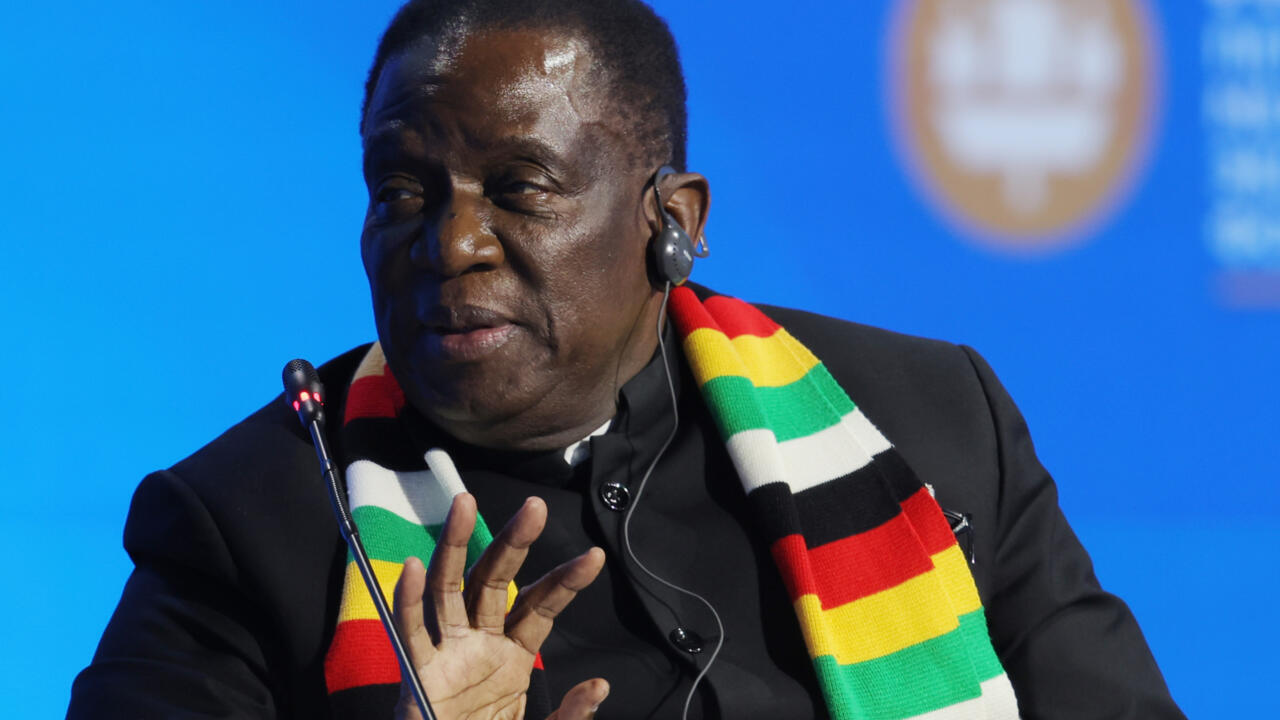
Zimbabwe has officially abolished the death penalty, marking a significant shift in the nation’s legal and human rights landscape. President Emmerson Mnangagwa, who once faced a death sentence himself during the 1960s liberation struggle, signed the abolition into law on 31 December 2024, following its passage through both houses of Parliament.
The death penalty in Zimbabwe had been a subject of contention for years. Although the country had not conducted any executions since 2005, capital punishment remained legally permissible for specific crimes, including murder under aggravating circumstances and treason. The hiatus in executions was partly due to the unavailability of a state executioner, as no individual was willing to assume the role.
President Mnangagwa’s personal history with the death penalty has been influential in this legislative change. In the 1960s, during Zimbabwe’s war of independence, he was sentenced to death for sabotaging a train. His sentence was later commuted to a ten-year prison term, a reprieve attributed to his young age at the time. This experience fostered his longstanding opposition to capital punishment, which he has expressed publicly since assuming office in 2017. During his tenure, he utilised presidential amnesties to commute death sentences to life imprisonment, reflecting his commitment to ending the practice.



The legislative journey towards abolition gained momentum in early 2024. In February, Zimbabwe’s Cabinet approved a memorandum on the Death Penalty Abolition Bill, introduced by Member of Parliament Edwin Mushoriwa. This bill sought to amend the Criminal Law Code and the Criminal Procedure and Evidence Act to eliminate capital punishment. The proposal followed nationwide consultations across the country’s ten provinces, revealing that a majority of citizens favoured abolition.
The Senate’s approval of the bill in December 2024 was a pivotal moment, paving the way for the President’s assent. Human rights organisations, including Amnesty International, lauded the Senate’s decision as a significant advancement for human rights in Zimbabwe. They urged President Mnangagwa to promptly sign the bill into law and to commute existing death sentences to prison terms.

With the abolition now enacted, approximately 60 prisoners currently on death row will have their sentences commuted. The new law mandates that no court shall impose a death sentence for any offence, regardless of when it was committed. Instead, courts are directed to impose appropriate alternative sentences, such as life imprisonment, considering the circumstances of each case.
Zimbabwe’s decision aligns with a broader continental trend towards the eradication of capital punishment. As of 2023, 24 African countries had abolished the death penalty, reflecting a growing commitment to human rights across the continent. Zimbabwe now joins nations like South Africa, Namibia, and Mozambique in rejecting capital punishment.
Globally, the movement against the death penalty has been gaining traction. Amnesty International reported that, by 2023, about three-quarters of countries worldwide had ceased executions, either by law or in practice. However, the organisation also noted an increase in known executions in 2023, with 1,153 recorded, up from 883 the previous year. The majority of these executions occurred in Iran and Saudi Arabia, accounting for nearly 90% of the total.
The abolition of the death penalty in Zimbabwe is expected to have a profound impact on the nation’s justice system. It underscores a commitment to upholding the right to life and aligns the country’s legal framework with contemporary human rights standards. The move has been welcomed by various stakeholders, including human rights activists and international organisations, who view it as a positive step towards the protection of human dignity.
In conclusion, Zimbabwe’s abolition of the death penalty marks a historic milestone in the nation’s legal history. It reflects a shift towards more humane forms of punishment and positions Zimbabwe alongside a growing number of countries that have recognised the inherent flaws and moral implications associated with capital punishment. As the country moves forward, this development is seen as a beacon of hope for the abolitionist movement in the region and a testament to the global trend towards the eradication of the death penalty.