South Africa is confronting a deepening water security challenge that has increasingly come to define governance concerns at both national and municipal levels. President Cyril Ramaphosa has characterised the situation as a crisis requiring urgent and coordinated intervention across all spheres of government. His remarks, delivered at an Extended Presidential Coordinating Council meeting in Boksburg on 30 April, reflect mounting pressure on public institutions to address systemic inefficiencies that have undermined reliable service delivery.
The meeting brought together senior political and administrative leadership, including ministers, provincial premiers, mayors and municipal managers, in an effort to strengthen intergovernmental coordination. According to the South African government, the council serves as a platform to align national, provincial and local priorities, particularly in addressing infrastructure constraints and governance instability that have contributed to recurring disruptions in water and electricity supply.
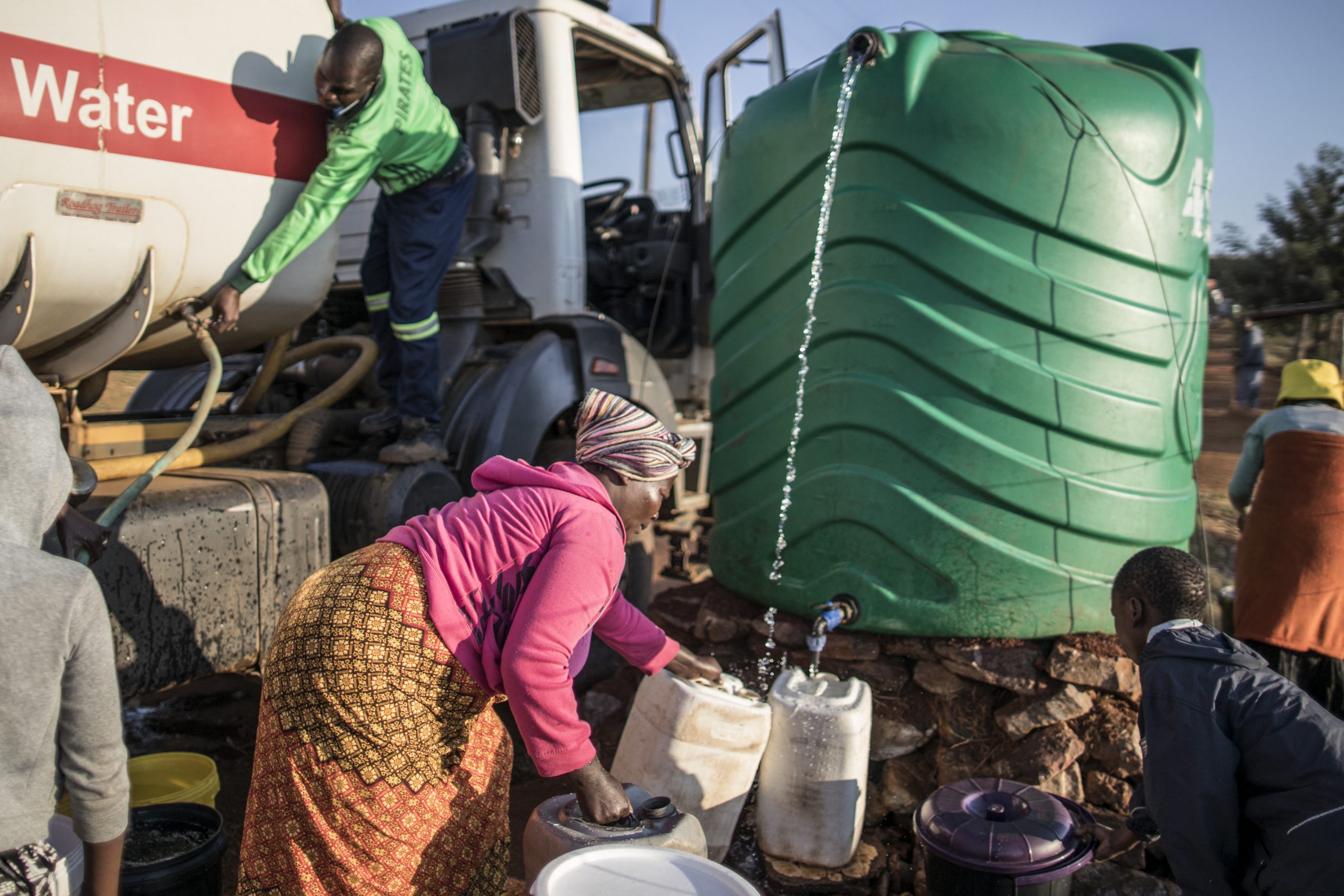
Ramaphosa identified weak revenue collection, administrative instability and infrastructure backlogs as key drivers of municipal dysfunction. These challenges have had direct consequences for communities, where inconsistent access to water, deteriorating roads and unreliable public services continue to affect livelihoods. Data from the Department of Water and Sanitation indicates that a significant proportion of municipal water systems are in a poor or critical condition, reflecting years of underinvestment and maintenance shortfalls.



The president indicated that the forthcoming White Paper on Local Government is expected to provide a framework for institutional reform and improved accountability. While details of the policy are still emerging, it is anticipated to address structural weaknesses in municipal governance and propose mechanisms to enhance service delivery capacity. Analysts have noted that such reforms will require sustained political commitment and financial investment to achieve measurable outcomes.

Water security has become an increasingly urgent issue across Southern Africa, shaped by a combination of climatic variability, rapid urbanisation and infrastructure constraints. South Africa’s experience reflects broader regional dynamics, where countries are navigating the intersection of environmental stress and governance capacity. The African Development Bank has highlighted water infrastructure as a critical component of economic resilience across the continent.
Ramaphosa drew parallels between the current water challenges and the country’s recent efforts to stabilise electricity supply, suggesting that coordinated policy action can yield tangible improvements. However, experts caution that water systems present distinct technical and institutional complexities, requiring long term planning and community level engagement.
The emphasis on infrastructure development, including water, energy, transport and roads, signals an integrated approach to economic and social development. As articulated during the council meeting, these sectors form the foundation upon which inclusive growth depends. Ensuring their functionality is therefore central not only to national stability but also to advancing broader regional aspirations for sustainable development.
This evolving policy focus underscores the need for a nuanced and contextually grounded understanding of governance challenges in Africa. Rather than framing the water crisis solely as a technical failure, it reflects deeper structural questions about resource management, institutional capacity and equitable access. In this regard, South Africa’s response may offer important lessons for other countries navigating similar pressures, while also highlighting the importance of locally driven solutions that centre the lived realities of African communities.