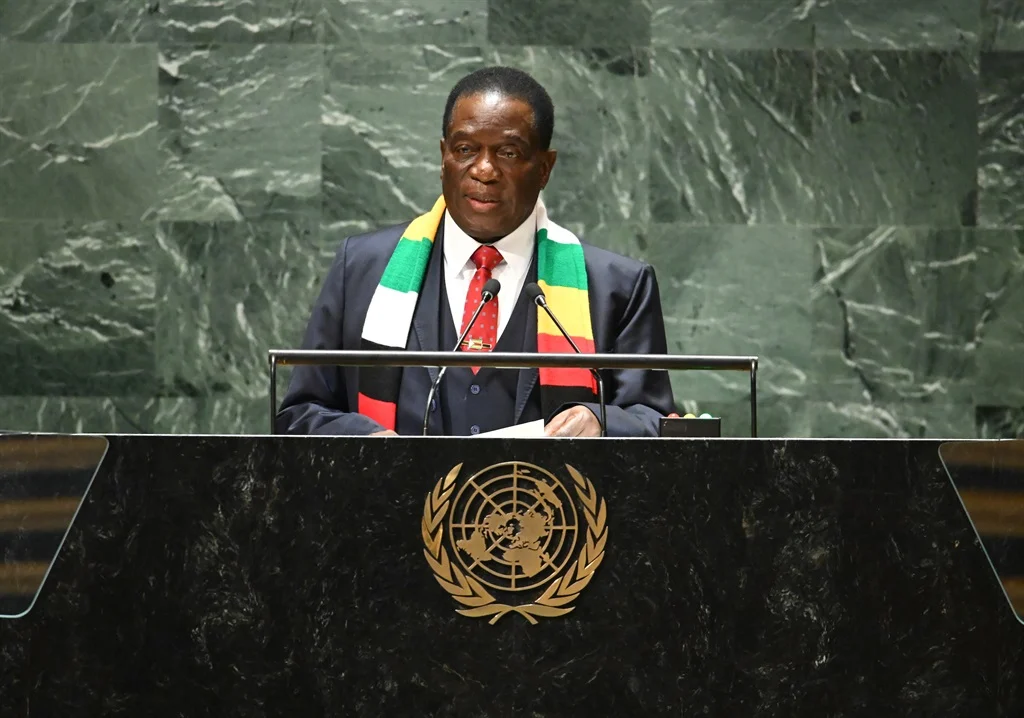
The United Nations General Assembly (UNGA) will soon deliberate on the issue of sanctions imposed on Zimbabwe by the United States, following the submission of two significant reports by the UN Special Rapporteur on sanctions, Professor Alena Douhan. This marks an important development in Zimbabwe’s protracted anti-sanctions campaign, which has gained increasing international attention.
Professor Douhan’s reports, delivered over the last three months, have called for the immediate lifting of sanctions on Zimbabwe, citing their detrimental impact on the country’s development and human rights. These documents, which focus on the humanitarian and legal ramifications of unilateral sanctions, have ignited a global debate about the validity and consequences of such measures.
This marks the first time in over two decades that the sanctions imposed on Zimbabwe will feature prominently on the UNGA’s agenda. The body’s engagement with the issue, which is expected to intensify the anti-sanctions lobby, comes amid a broader push by regional organisations such as the African Union (AU) and the Southern African Development Community (SADC) for the removal of the embargo. The discussions will offer UN member states an opportunity to voice their support for Douhan’s findings, which argue that the sanctions violate international law and exacerbate humanitarian crises in sanctioned countries.



The procedure following the submission of these reports involves review and discussion within relevant committees before being presented to the plenary. Despite its inability to enforce decisions, the UNGA can adopt resolutions condemning the sanctions and calling on states to refrain from imposing such measures in the future. Such resolutions would serve to bolster the growing global lobby against the sanctions regime, which, according to Minister of Justice, Legal and Parliamentary Affairs Ziyambi Ziyambi, has contributed significantly to raising awareness about the detrimental effects of sanctions on Zimbabwe.
In her reports, Douhan analysed the far-reaching consequences of sanctions, particularly their impact on access to justice, food security, and public health. The second report, “Monitoring and Assessment of the Impact of Unilateral Sanctions and Over-Compliance on Human Rights”, emphasised the widespread fluctuations in food prices and the decline in vaccination coverage in countries like Zimbabwe, which are subject to these sanctions. This data-driven analysis underscores the humanitarian and economic crises exacerbated by these measures.
The rapporteur, who visited Zimbabwe in 2021, has maintained that the sanctions imposed on the country are not only illegal but also counterproductive in achieving their purported objectives. Douhan’s call for the immediate lifting of the sanctions has resonated with many international stakeholders, who view these measures as ineffective and harmful to the civilian population.

Zimbabwe’s increasing participation in international platforms, such as the UN-led conferences on sanctions, has reinforced its position that these measures, imposed for political reasons, violate fundamental human rights. Dr Gift Manyatera, a political analyst and pro-vice chancellor at Midlands State University, highlighted the importance of engaging in global forums to address the impact of such sanctions on developing economies. His comments reflect a growing consensus among Zimbabwe’s leadership and academics that the sanctions hinder the country’s economic and social progress, with wide-reaching implications for public welfare.
The ongoing discourse on sanctions at the UNGA underscores a significant shift in global perspectives on unilateral coercive measures. While UN resolutions lack binding enforcement powers, their adoption could prompt further diplomatic pressure on the United States and other countries maintaining the sanctions against Zimbabwe. This broader international debate holds the potential to influence policy shifts, with far-reaching implications for the future of Zimbabwe’s economic and diplomatic relations.