The 29th Conference of the Parties (COP29) under the United Nations Framework Convention on Climate Change concluded in Azerbaijan with a hard-fought agreement on climate finance, underscoring the persistent discord between developed and developing nations. While the summit delivered incremental progress on technical frameworks, it left many with a profound sense of dissatisfaction over the pace of global climate action.
After a protracted negotiation period that stretched beyond the official deadline, a deal was struck to set an annual climate finance target of $300 billion by 2035. While this figure represents a significant commitment, it was swiftly criticised by developing nations as insufficient to meet the immediate demands of the global energy transition. Many argued that delaying the target’s implementation by over a decade effectively postpones meaningful action, thereby jeopardising their ability to combat escalating climate impacts. Notably, the inclusion of contributions from developing economies in the target further aggravated tensions, with India leading the charge against what it perceived as an inequitable burden-sharing arrangement.
The spectre of Donald Trump’s recent electoral victory in the United States loomed large over the proceedings. With the president-elect signalling an intent to withdraw from global climate agreements and appointing staunch climate sceptics to key positions, the United States—historically the largest contributor to greenhouse gas emissions—offered little in terms of leadership or financial commitment. This markedly subdued the summit’s ambition, as delegates contended with the implications of diminished American participation in the multilateral framework.



COP29 also saw the long-awaited establishment of a rulebook for carbon credits, an initiative nearly a decade in the making. The agreement enables nations to develop and trade carbon offsets, providing a mechanism for emissions reduction funding. However, unresolved issues regarding the transparency and structure of registries threaten to undermine confidence in this system. Proponents hope the introduction of carbon markets will catalyse investment in renewable projects, yet sceptics warn of the potential for misuse without stringent oversight.
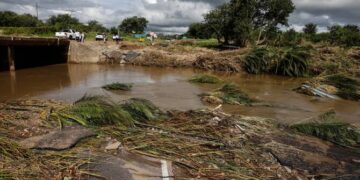
Despite these technical advancements, the summit revealed deep fissures in the global climate process. With 2024 poised to become the warmest year on record, and extreme weather events wreaking havoc across continents, the urgency of the climate crisis was palpable. Catastrophic floods, landslides, droughts, and other climate-induced calamities have claimed thousands of lives and inflicted untold economic damage this year alone. Yet, despite this alarming backdrop, greenhouse gas emissions and global temperatures continue their inexorable rise, casting doubt on the efficacy of the COP framework.

Trade disputes further complicated proceedings. Developing nations challenged trade policies such as Europe’s Carbon Border Adjustment Mechanism (CBAM), contending that such measures stifle their ability to transition towards greener economies. The inclusion of these issues in future climate agendas reflects a growing recognition of the intersection between trade and environmental policy. However, the potential for new tariffs, particularly under a Trump administration, looms as a significant obstacle to international cooperation.
The setting of this year’s COP in Azerbaijan, a nation heavily reliant on fossil fuel exports, also underscored the entrenched influence of the hydrocarbon sector. Despite calls to build on COP28’s commitment to triple renewable energy capacity by 2030, delegates failed to agree on concrete steps to phase out fossil fuels. This was widely perceived as a capitulation to vested interests, with the fossil fuel industry’s outsized presence at the summit drawing sharp rebuke from climate advocates.
The road ahead for global climate policy remains fraught. COP29 highlighted the limitations of consensus-driven diplomacy in addressing the climate emergency. While some progress was achieved, the failure to deliver transformative outcomes casts a shadow over the credibility of the COP process itself. With the climate crisis accelerating at an unprecedented pace, the gap between rhetoric and reality grows ever wider.
As nations prepare for the next iteration of COP, the fundamental question remains: can the international community muster the collective will to confront one of humanity’s gravest challenges, or will inertia and short-term interests prevail?