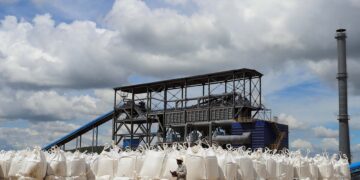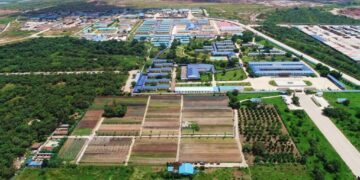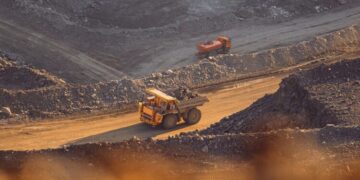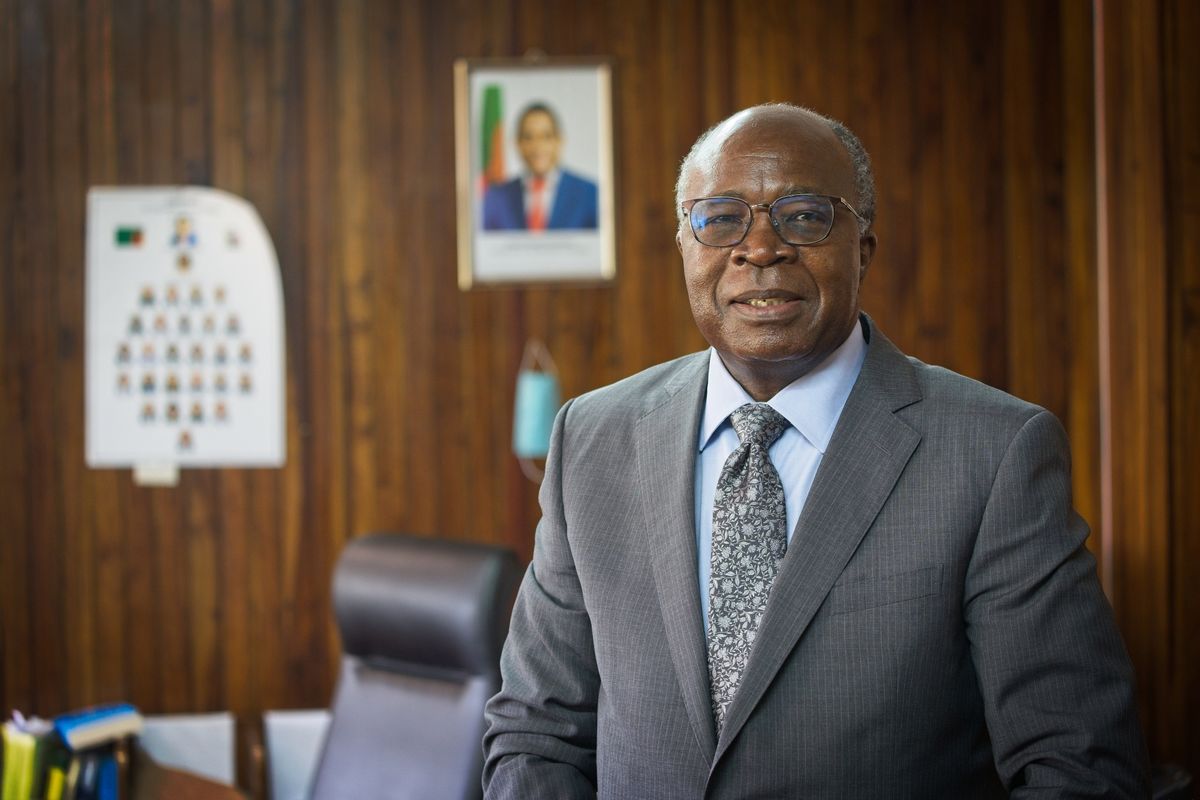
Zambia, recognised as Africa’s second-largest copper producer, is poised to elevate its copper production output to an estimated one million metric tons by the conclusion of 2025. This projection reflects a substantial increase from the 820,676 metric tons recorded in the previous year, signalling a reinvigoration of the country’s strategic mining ambitions. The announcement was made by Situmbeko Musokotwane, Zambia’s Minister of Finance and National Planning, who outlined the foundational elements driving this growth trajectory.
This surge in copper production is underpinned by an integrated policy framework that combines the expansion of existing mining operations, the reactivation of dormant sites, and the establishment of new mining ventures. The Ministry anticipates this multi-pronged strategy will not only stabilise copper output in the short term but also act as a springboard for a long-term goal of reaching an annual yield of three million metric tons. Musokotwane indicated that this vision is anchored in a capital investment pipeline amounting to approximately US$6 billion, a sum that reflects the government’s commitment to reviving and advancing the mining industry.
The implications of this production increase are manifold. Beyond its direct contribution to Zambia’s GDP, enhanced copper output is expected to generate a ripple effect throughout the national economy. Employment opportunities are set to rise as both skilled and unskilled labour will be required across operational and logistical chains. Moreover, the mining expansion is forecasted to stimulate ancillary industries, fostering business linkages and encouraging local entrepreneurship.



Furthermore, this development is anticipated to bolster Zambia’s capacity to generate foreign exchange. Copper has long been the nation’s principal export commodity, and an uptick in output is likely to reinforce Zambia’s trade balance and currency stability. In parallel, government revenues derived from royalties and taxes on mining activities are expected to increase, affording the state more fiscal latitude for infrastructural and social investments.
According to economic observers, this renewed vigour in the mining sector coincides with structural reforms that have been implemented over the past several years. These reforms aim to improve regulatory transparency, attract foreign direct investment, and ensure environmental sustainability within extractive operations. The government’s emphasis on reform is reflected in the country’s resilience amid climatic disruptions. Despite enduring the adverse effects of a prolonged drought, Zambia recorded a 4 percent economic growth rate in 2024. This performance suggests that foundational economic policies are starting to yield tangible results.
The strategic significance of copper in global energy transitions also underscores the timeliness of Zambia’s production push. Copper is an essential component in renewable energy systems, electric vehicles, and digital infrastructure. As the global demand for such technologies escalates, countries with substantial copper reserves are positioned to play critical roles in future supply chains. Zambia’s ambitions to escalate its output may well position it as a more prominent actor in these emerging global markets.
It is important to note that the planned US$6 billion investment is not solely state-driven but is expected to attract private capital, both domestic and international. Multinational corporations with existing interests in Zambian mines are likely to participate in the scaling up process, while new entrants may be lured by the country’s policy shifts and natural resource potential. Transparent engagement with investors, communities, and civil society will be key to maintaining momentum and ensuring equitable benefit-sharing from the mineral wealth.

The Southern African nation’s renewed mining focus is also aligned with regional development goals articulated by the African Union and the Southern African Development Community (SADC). Both frameworks stress industrialisation, value addition, and economic diversification as pathways to long-term development. By strengthening its mining output and integrating local processing capabilities, Zambia may enhance its position within regional value chains and promote sustainable economic transformation.
In summary, Zambia’s projected increase in copper production to one million metric tons by the end of 2025 marks a significant milestone in its broader economic recalibration. Grounded in strategic planning, financial investment, and policy reform, the mining sector is being revitalised not just as a commodity engine but as a vehicle for employment, innovation, and national growth. Should this trajectory continue, Zambia may emerge as a leading contributor to both regional development and global technological supply chains.