In Zambia, the art of handicraft-making has a long history of using wood from different tree species. However, with the impacts of climate change becoming more evident, some makers are now turning to sustainable methods to produce their crafts. At Kabwata Cultural Village in Lusaka, the capital of Zambia, handicraft makers are using recyclable plastic waste, paper, and even discarded logs to make their creations.
Masiye Mubita, Chairperson of Kabwata Cultural Village, explains that the village is organizing climate change sensitization programs to raise awareness about the impacts of deforestation. Handicraft makers are being encouraged to explore environmentally-friendly methods of producing their crafts. One approach is to use trees that have fallen down as a result of heavy rains or other natural occurrences, rather than cutting down fresh ones.
About 300 handicraft makers from Kabwata Cultural Village have participated in climate change adaptation programs that encourage tree planting and the use of fast-growing tree species such as Jacaranda to make curios and other woodcarvings. The Jacaranda tree takes around five years to grow and mature into a tree that can be used for carvings. This means that it can be planted and harvested for artworks and other usages, leaving other tree species to continue covering forest areas.



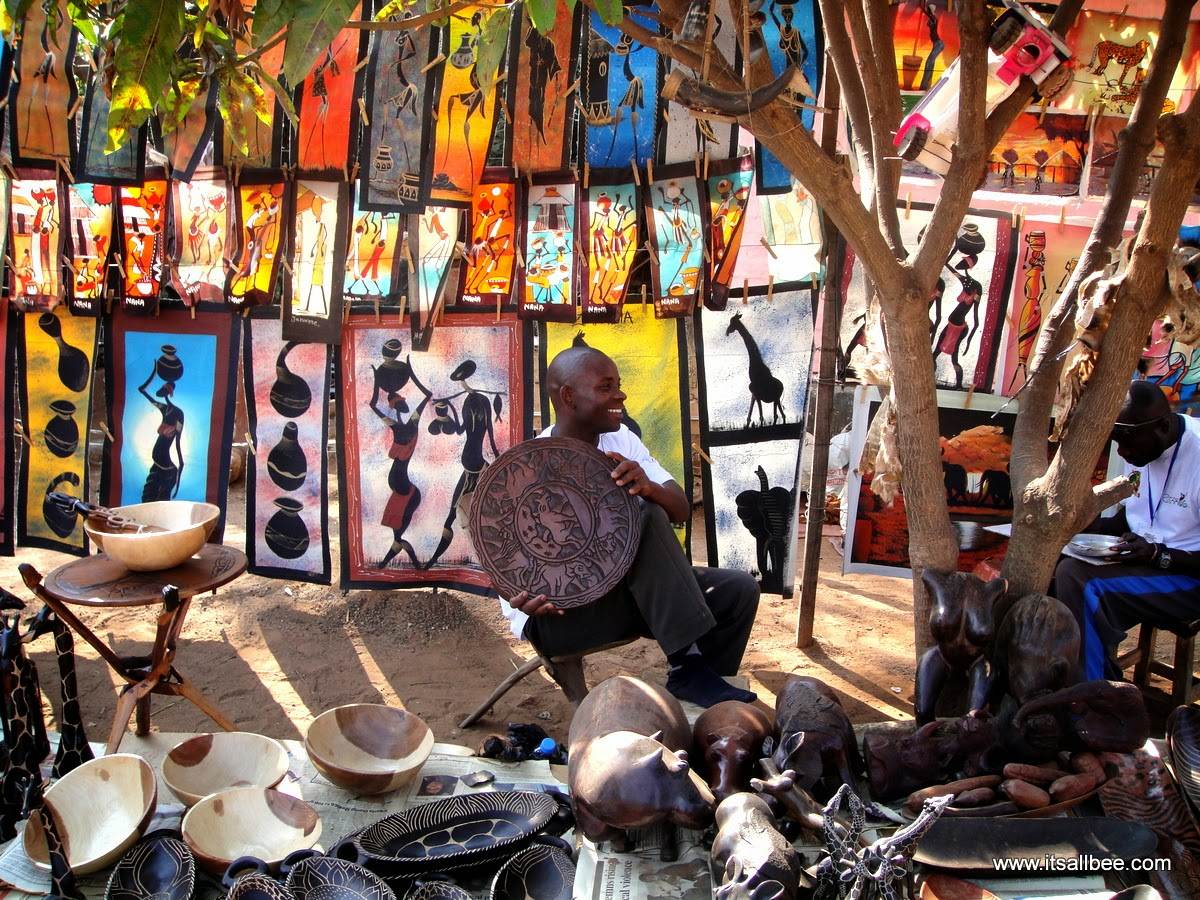

Henry Siabbaba, a curio maker at Kabwata Cultural Village, notes that participating in climate change programs has helped him be innovative and keep up with modern trends. He explains that he is now able to make new curios from old discarded artifacts made from wood. Siabbaba, who has over 20 years of experience in curio making, observes that many tourists and arts and culture enthusiasts are happy to purchase handicrafts made in an environmentally sustainable way. This demonstrates that people are willing to support businesses that protect the environment.
Anthony Tembo, a 24-year-old handicraft maker at Kabwata Cultural Village, specializes in making life-size ornamental objects using old newspapers and recyclable plastic bags and bottles. He explains that using recyclable materials to make crafts helps to rid the environment of waste and creates income opportunities. Tembo notes that resources for making artworks are almost readily available and cost little to nothing. All he has to do is collect recyclable plastic items and paper.
The move towards sustainable handicraft-making in Zambia is not only benefiting the environment but also creating opportunities for local businesses. According to the World Bank, Zambia has one of the fastest-growing populations in Africa, with a median age of 17.5 years. This young population is increasingly interested in environmentally sustainable practices, which presents an opportunity for businesses that are able to adapt.
The use of recyclable materials in handicraft-making is also contributing to the development of the circular economy in Zambia. A circular economy is an economic system aimed at eliminating waste and the continual use of resources. By using waste materials to create new products, handicraft makers are contributing to the creation of a circular economy in Zambia.
As climate change continues to affect the environment, it is essential that individuals and businesses take steps to mitigate its impacts. The move towards sustainable handicraft-making in Zambia is an excellent example of how small changes can make a big difference. By embracing sustainable practices, handicraft makers are protecting the environment and creating opportunities for themselves and their communities.
Conversely, the move towards sustainable handicraft-making in Zambia is an essential step towards combating climate change. By using recyclable materials and limiting the cutting down of trees, handicraft makers are contributing to the development of a circular economy and protecting the environment. As the world continues to grapple with the impacts of climate change, it is essential that individuals and businesses take steps towards sustainability.