The Government of Zambia has commended Chinese-owned Sino-Metals Leach Zambia Limited for its cooperation and compliance with national and international environmental standards following a spillage of acidic water and heavy metals into local rivers earlier this year.
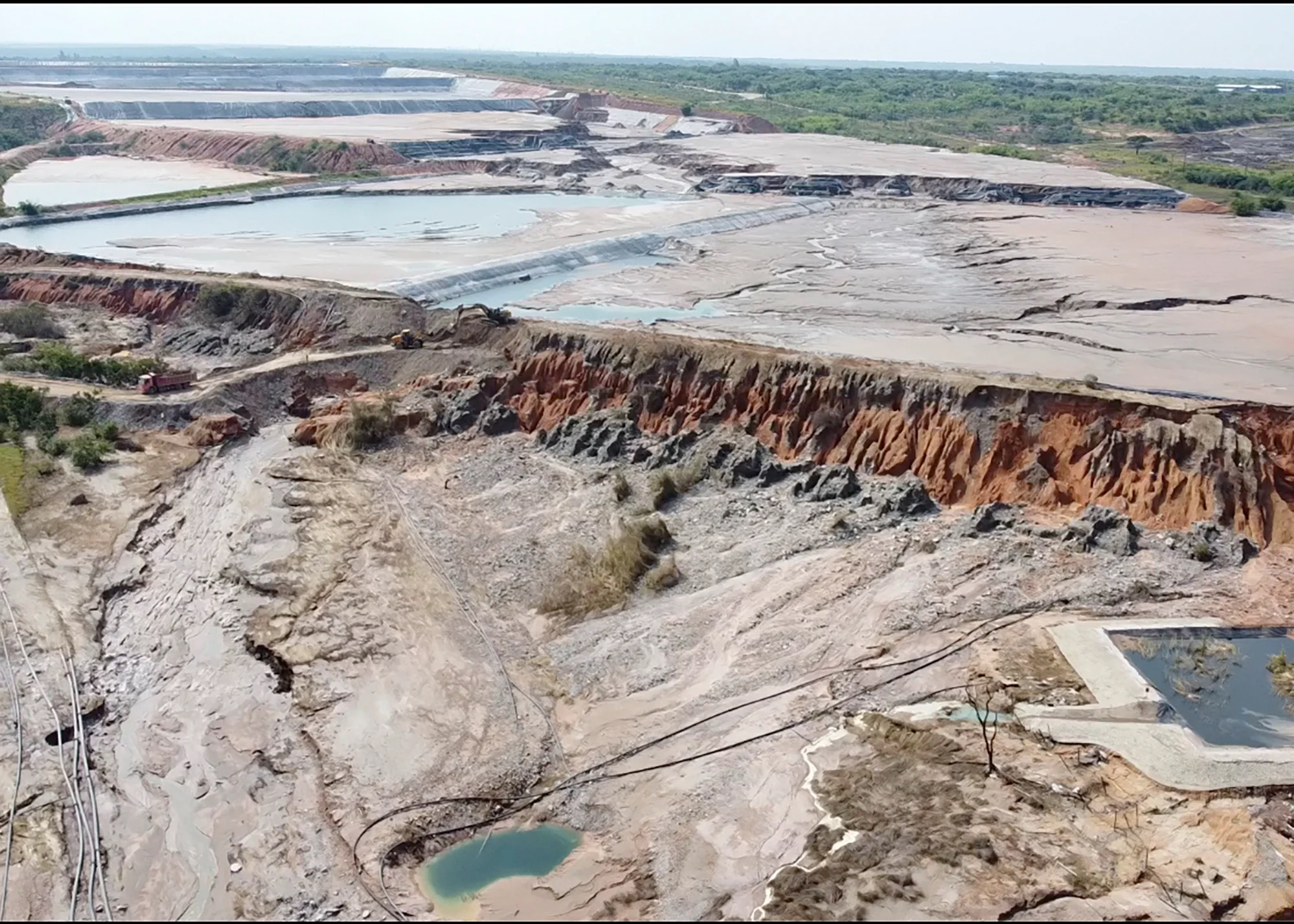
According to Chief Government Spokesperson and Minister of Information and Media Cornelius Mweetwa, the pollution incident occurred in February 2025 after vandalism of tailings dam infrastructure at the company’s operations in the Copperbelt Province. In a press briefing on Thursday, Mweetwa stated that the firm had worked closely with regulatory authorities to address the environmental impact and had adhered to the “polluter pays” principle.
The government confirmed that compensation for affected residents is being processed, with the company covering the costs of both asset replacement and environmental remediation. Laboratory results, Mweetwa said, indicate that pH levels in the water have returned to normal parameters, and concentrations of heavy metals are steadily decreasing, reducing the immediate risks to human, animal, and plant life.




Mweetwa stressed that immediate containment measures were implemented in February to neutralise acidic content in the affected waterways, reassuring communities that environmental conditions had improved.
Despite these assurances, the U.S. Embassy in Zambia issued a health alert on Wednesday, advising U.S. citizens to leave Chambishi and other impacted areas in the Copperbelt Province. The alert cited concerns over potential health risks arising from the spillage.
Responding to this advisory, Mweetwa urged against unnecessary alarm, asserting that the situation was under control. His position was echoed by Peter Sinkamba, President of Zambia’s opposition Green Party, who described the U.S. action as political in nature. Sinkamba drew comparisons with the long-standing lead contamination in Kabwe, attributed to historic operations of Anglo American, noting that no similar advisories had been issued in that case.
The pollution incident comes amid ongoing debates over industrial environmental responsibility in Zambia’s mining sector, where legacy contamination and modern operational risks continue to draw domestic and international scrutiny.